Books & Magazines

Paper,
pictures and
the printed
page.

Custom book printing starts with the pages. A photo book needs room at the gutter, a magazine needs a consistent rhythm from issue to issue, and a cookbook has to be readable while the cook is working.

Browse the formats
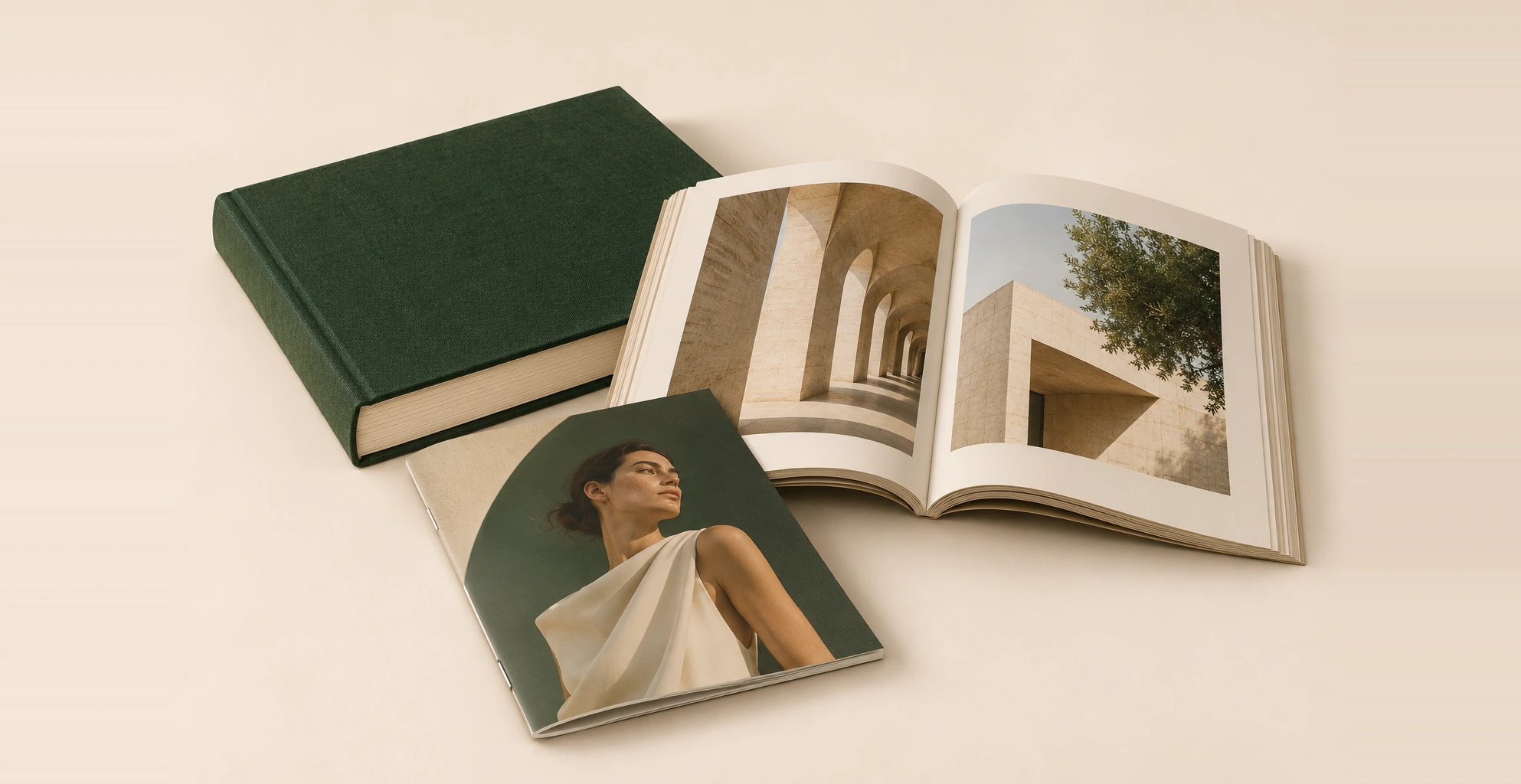
Green clothbound hardcover beside an open architectural photo catalog and a slim fashion magazine
The publication collectionAI concept visual

Format index

Hardcover Book

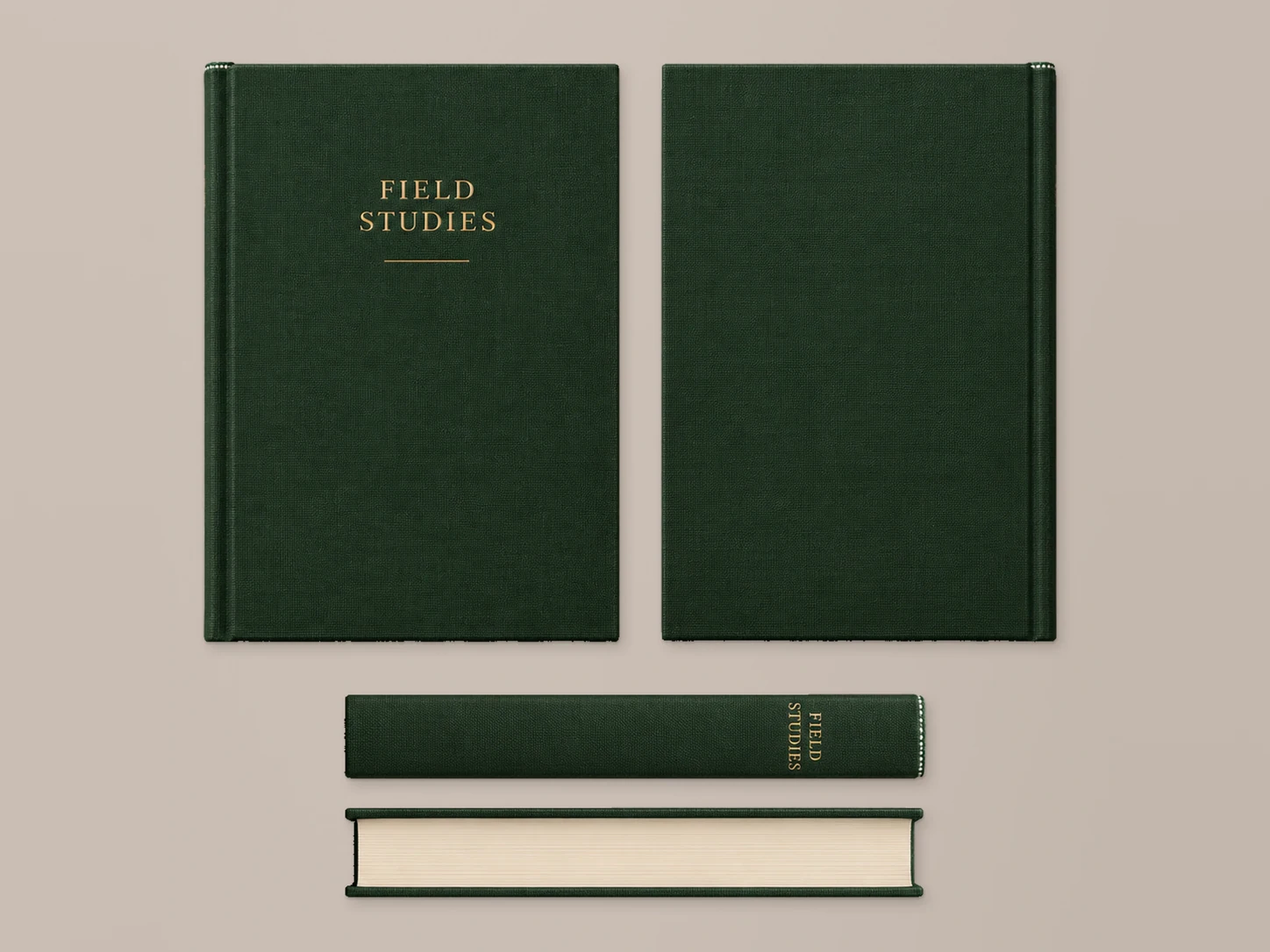
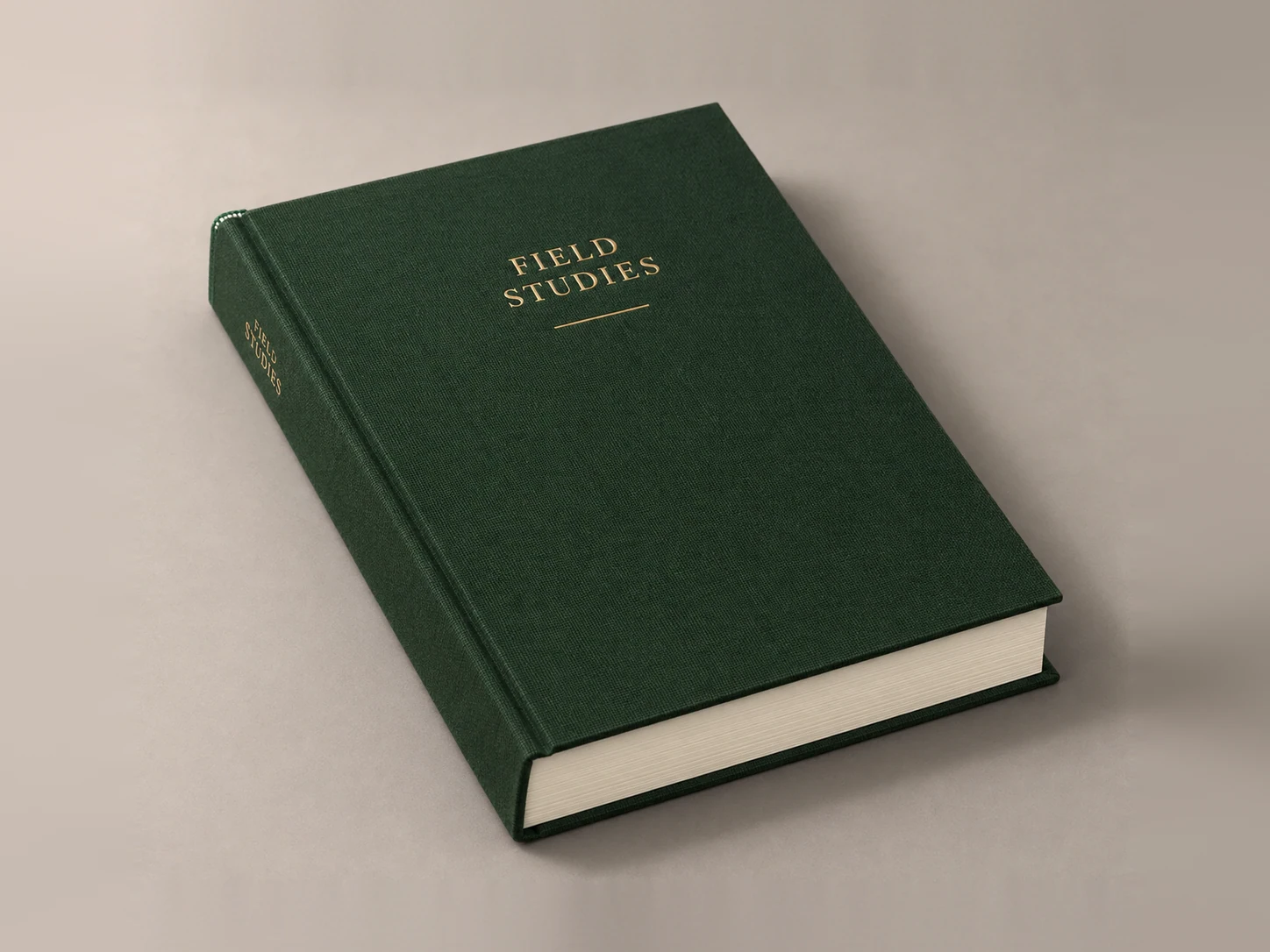
AI concept visual: Closed FIELD STUDIES hardcover in forest green bookcloth with a gold title
AI concept visuals

Consider the cover and page block as one book. Share the publication content, preferred opening behavior and artwork for review.

Construction
Rigid cover and printed text block; final construction agreed for the publication.
Planning the format
Review the cover and text block together at the proposed page count.

Materials & Customization

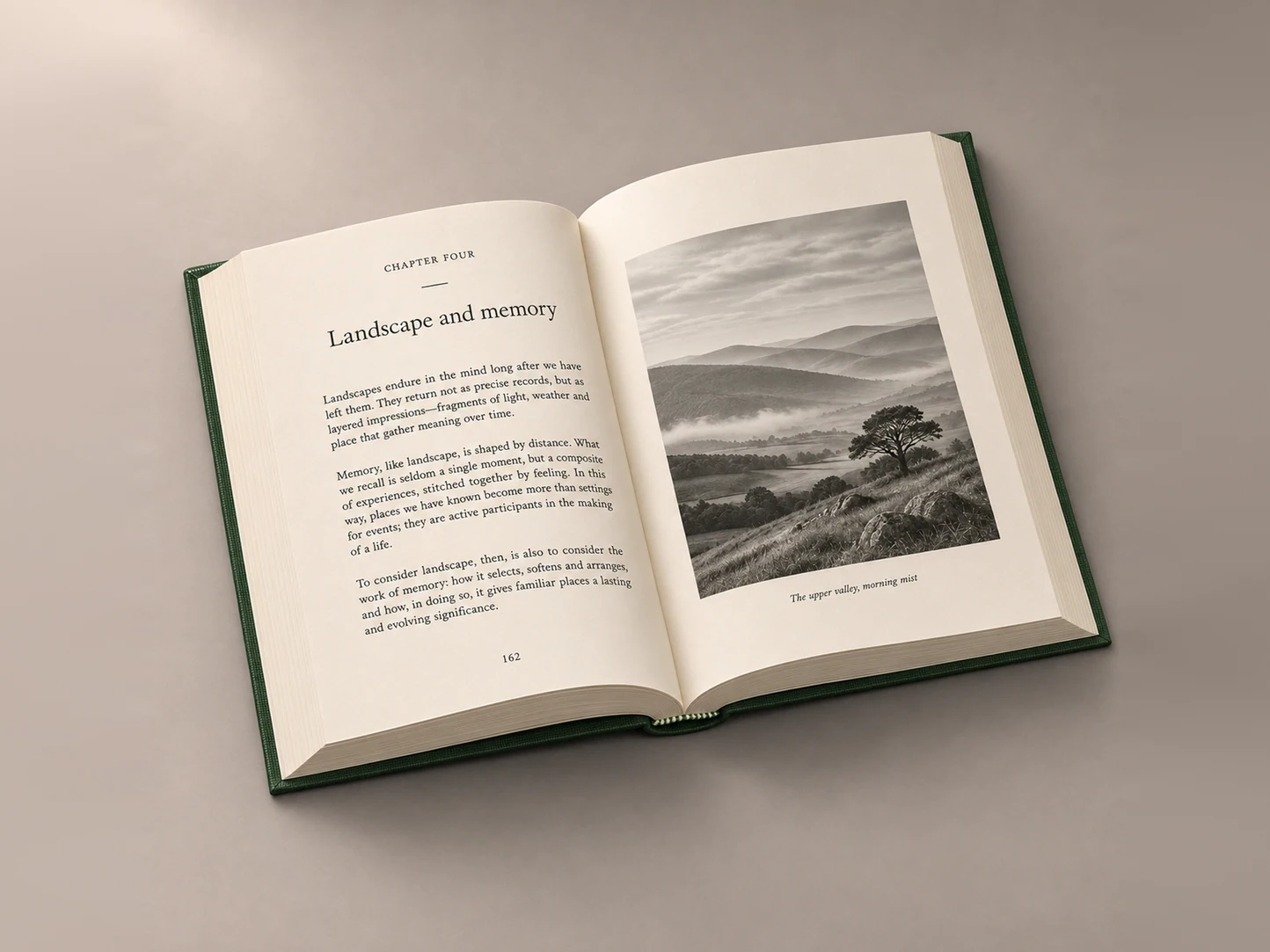
AI concept visual: Gold FIELD STUDIES lettering and rule on the woven green front cover, with the upper board edge visible
Hardcover Book · Detail · AI concept visual
Materials
Cover and interior paper requirements assessed for the publication
Publication format
Trim size and orientation define the page canvas.
Cover build
Covering, board, and artwork are coordinated around the agreed book construction.
Interior paper
Text and image content guide paper appearance, opacity, and handling decisions.
Page extent
Preliminary pages, intentional blanks, and sections belong in the content plan.
Binding & finishing
Requested opening and cover effects are assessed for the selected materials and extent.
Sizing
Custom dimensions confirmed in your project brief.
Print & finish
Artwork and finishing requirements confirmed before ordering.
Applications
Illustrated titles — Plan image sequences and captions as a complete reading experience. · Company histories — Organize archival images and written material into a lasting publication format without implying a specific durability rating. · Collected works — Combine chapters or selected pieces within a unified cover and interior.
Construction & Finishing

Spreads & binding
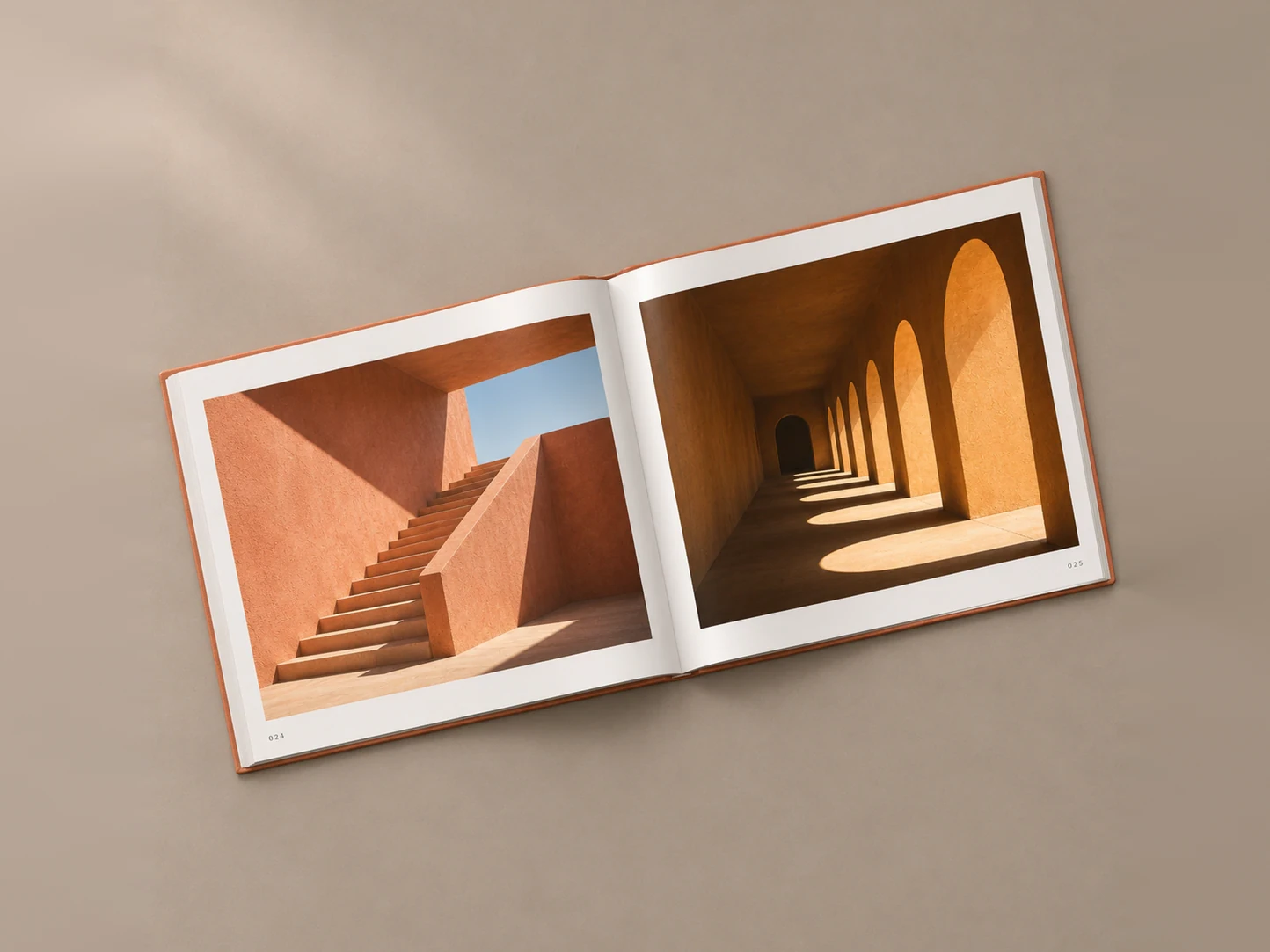
Use a representative photo spread to check how much of the image remains visible at the gutter. For a short catalog, compare a folded format with a bound one using the actual page sequence.
Text stock & cover
Compare the same printed page on coated and uncoated stock. Specify the text paper separately from the cover paper or board.

Project Brief

Send the finished trim size, interior page count and separate cover file. For an illustrated book or magazine, flag important subjects near the gutter; for a catalog, show section openings and any repeated product tables.

For an edition or issue with multiple versions, list what changes and the quantity of each. Include a sample spread, text and cover stock preferences, proofing priorities and delivery destination.

If the format is already set and you need an estimate for a publication run, see brochure and catalog printing.

FAQ

When should I finalize a hardcover spine?

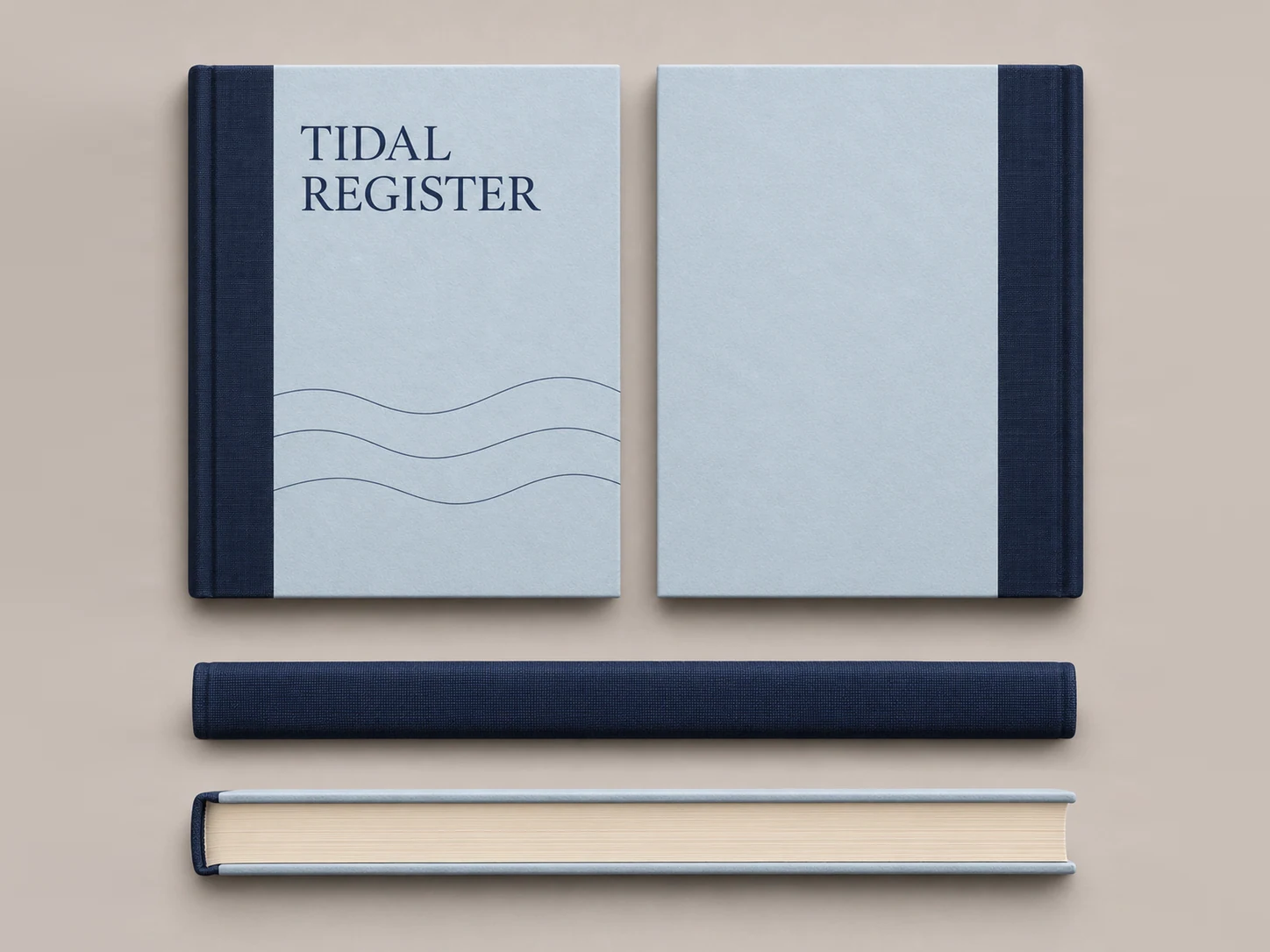
Once trim, binding, paper and final page count are known, check the spine on the proposed case layout. A change in text paper can change the block thickness even if the page count stays the same.

How do I compare paper for a photo-led publication?

Print a page with both dark image areas and small captions on the proposed stocks. Judge image detail, glare and reverse-side visibility under the lighting where readers will use the book.

Can a recipe or picture span two pages?

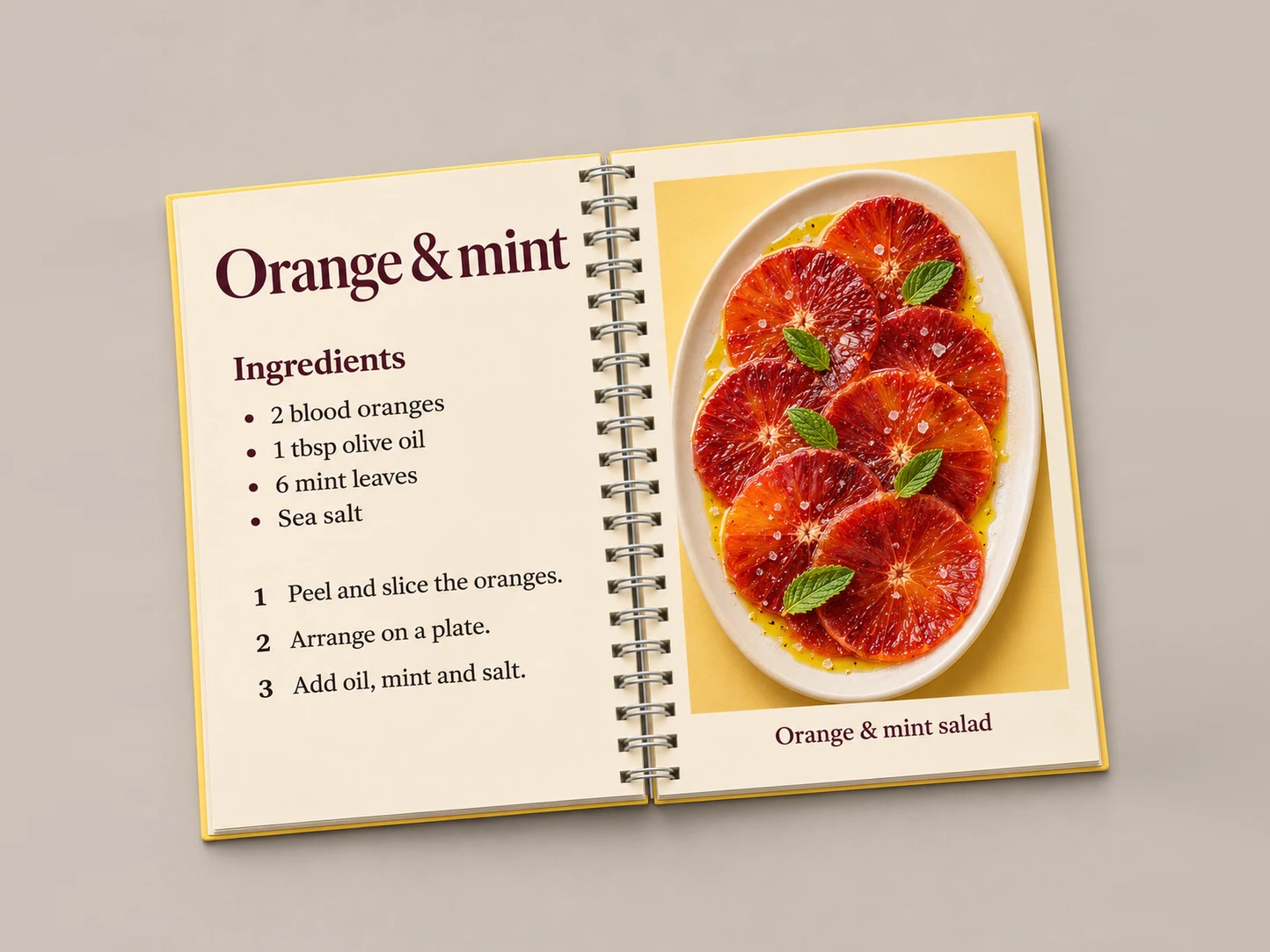
Yes, but the binding determines how much of the center is visible. Keep essential words and faces away from the gutter and review a bound spread at finished size.

Request a Quote

Choose a format and fill in the details you know.

Carry your preferences into the inquiry form.

Chat on WhatsApp