White Card Folding Cartons

Paperboard,
panels and
closures.

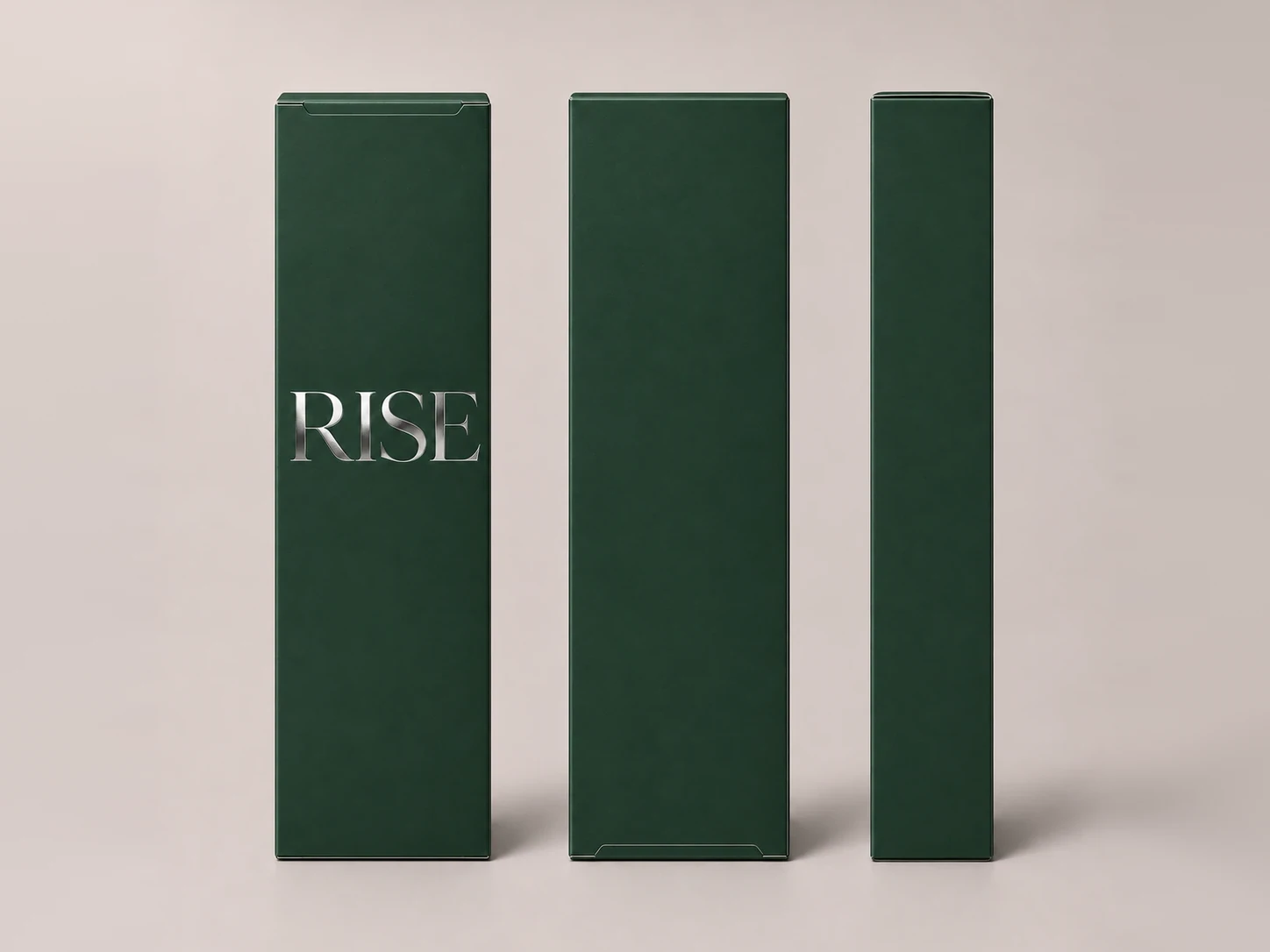
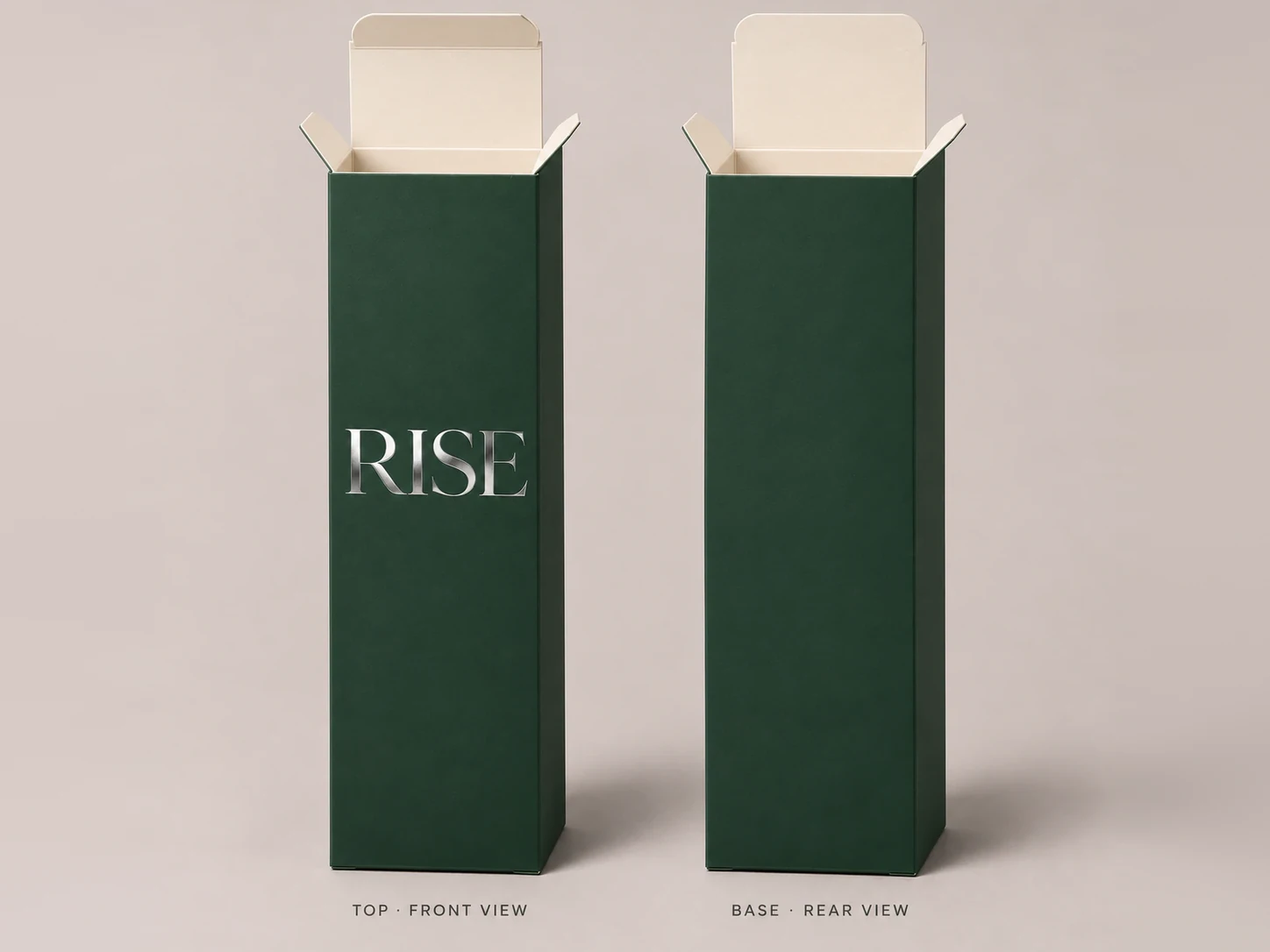
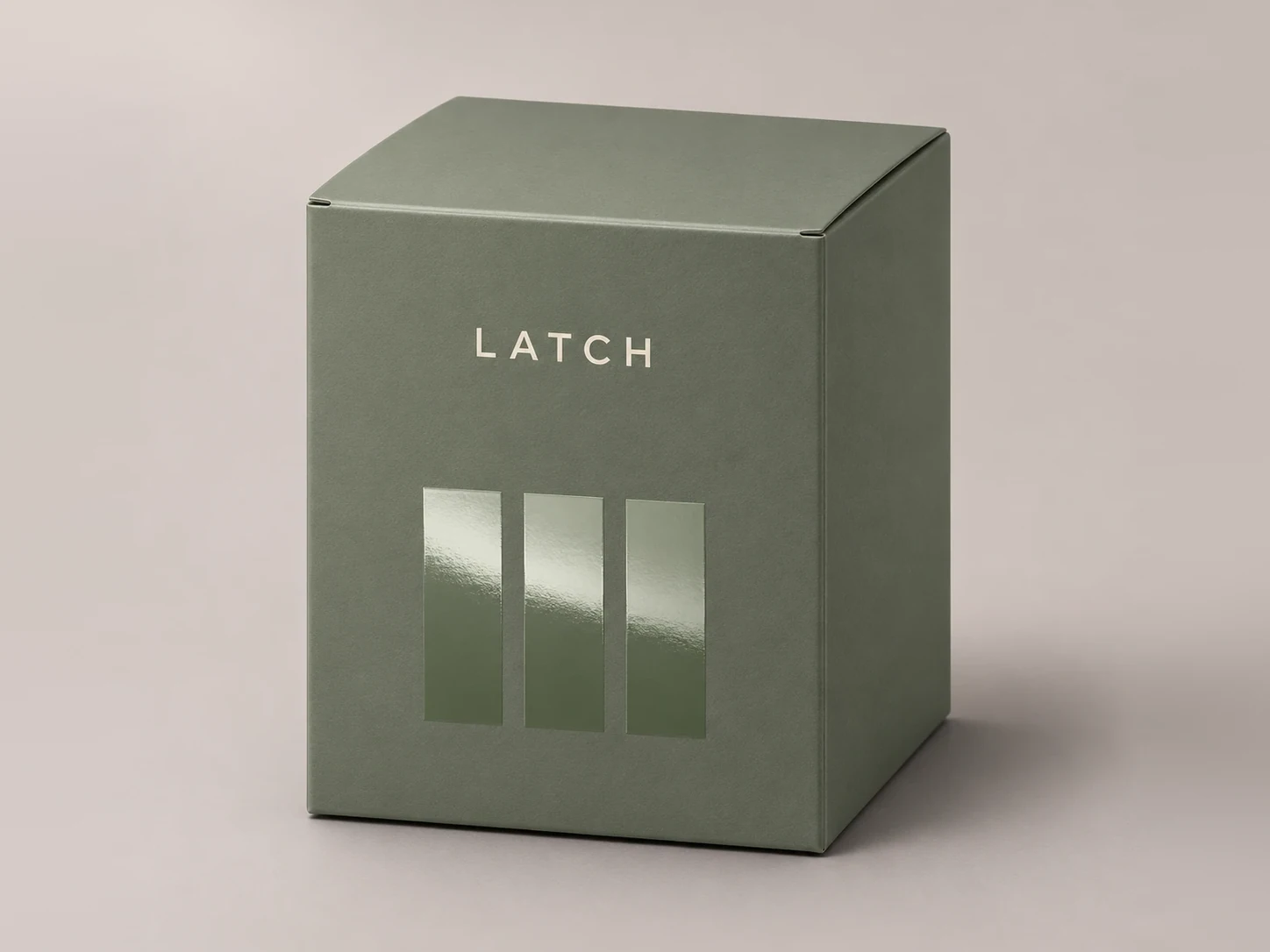
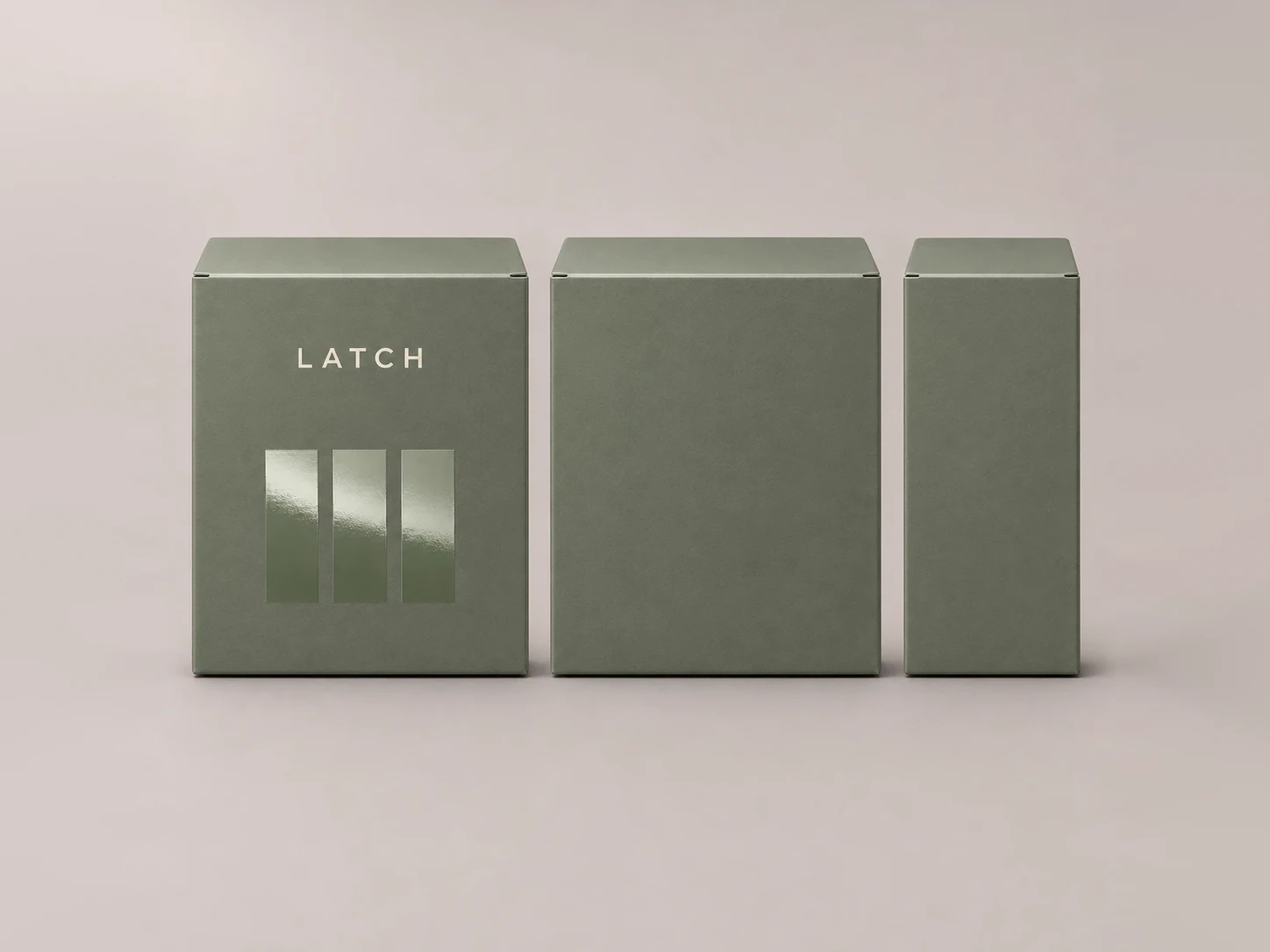
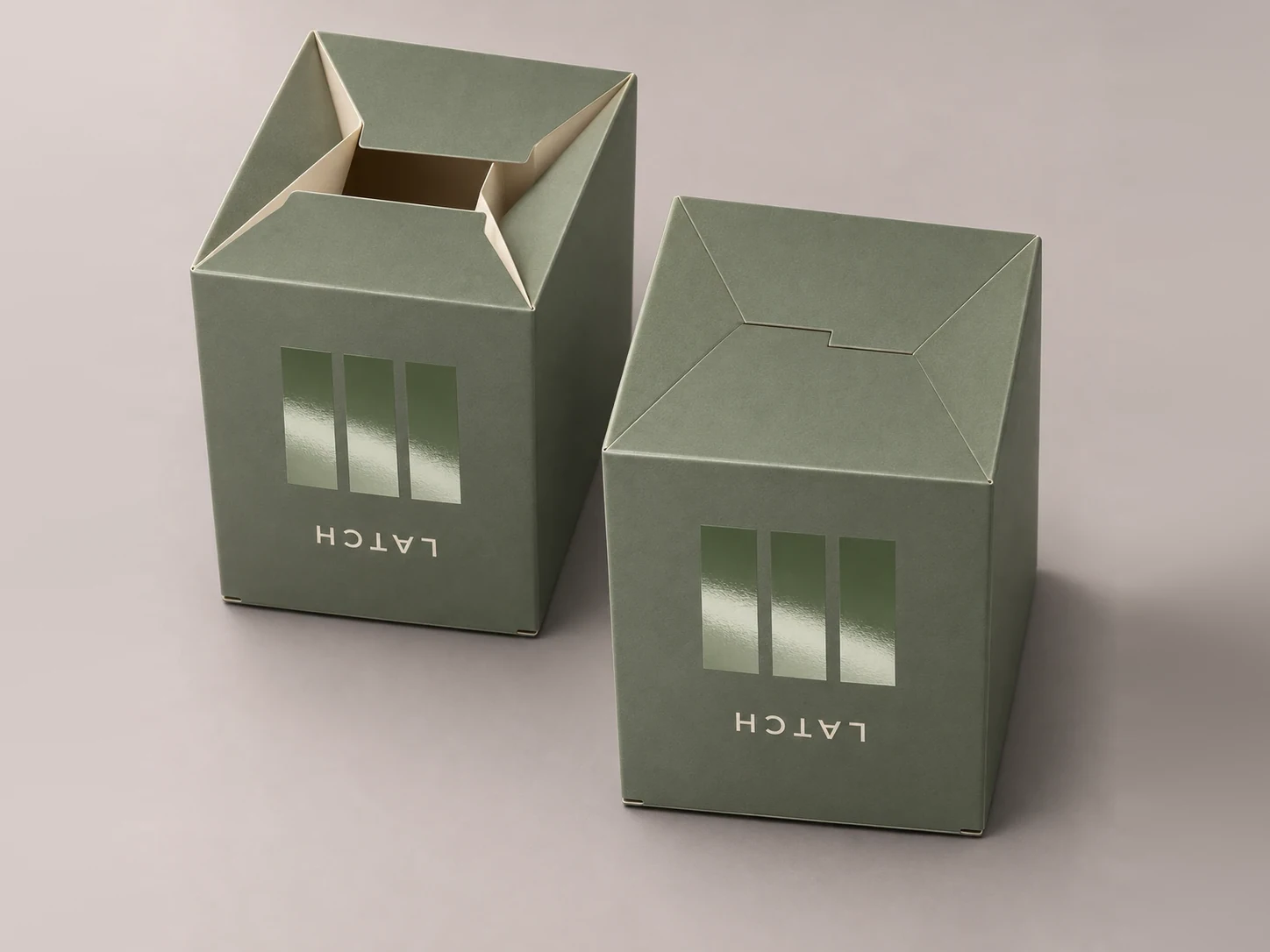
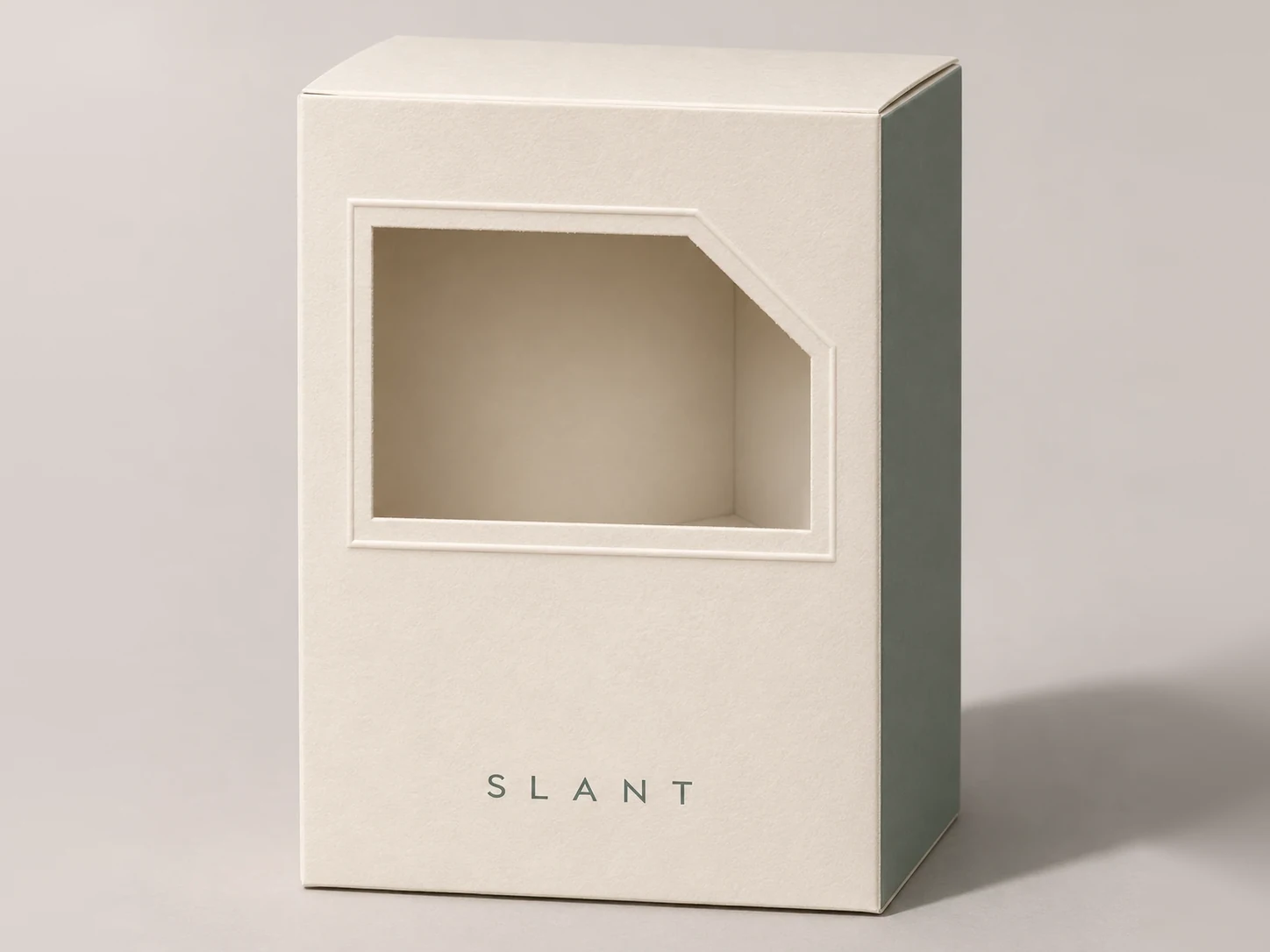
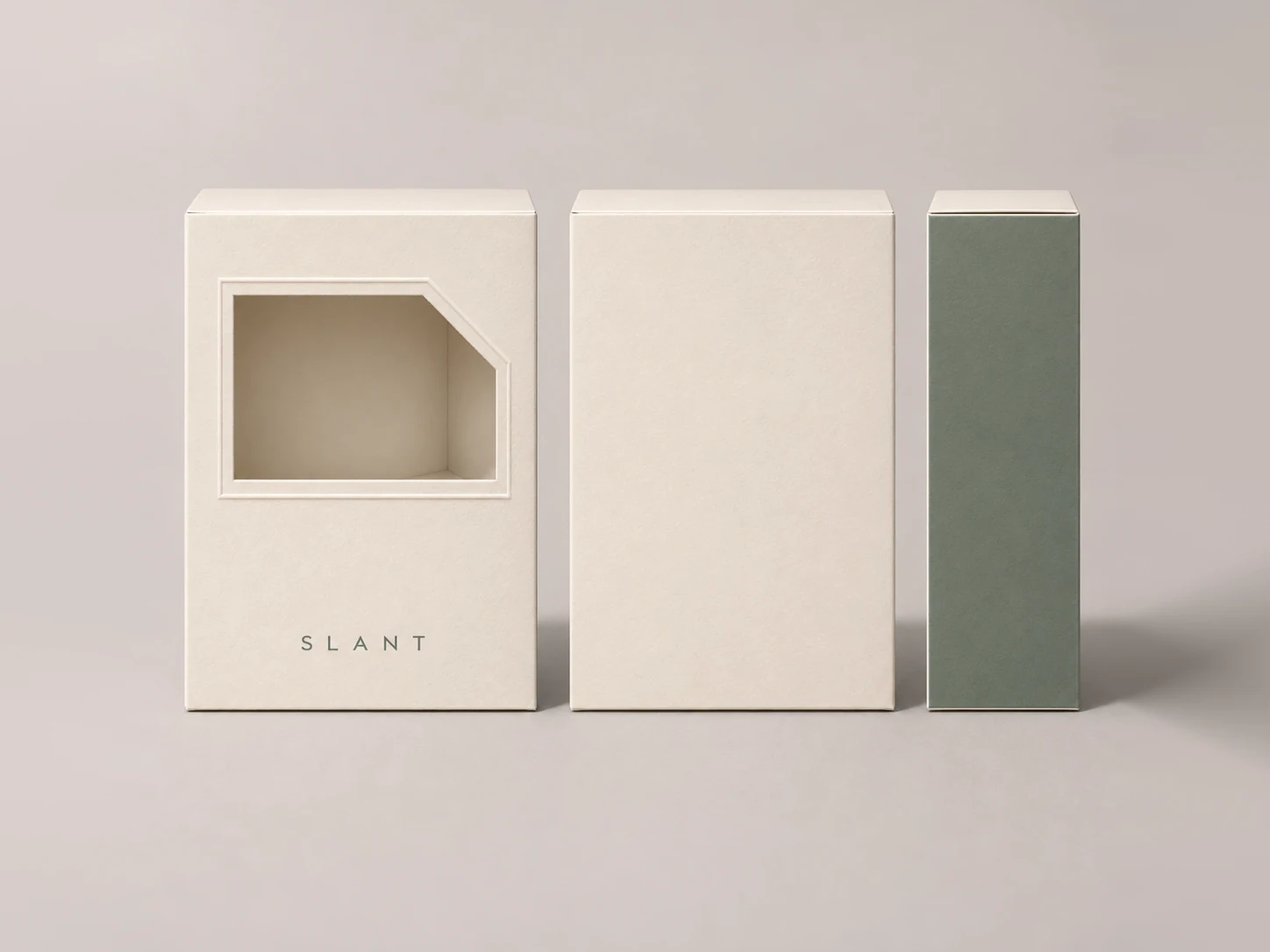
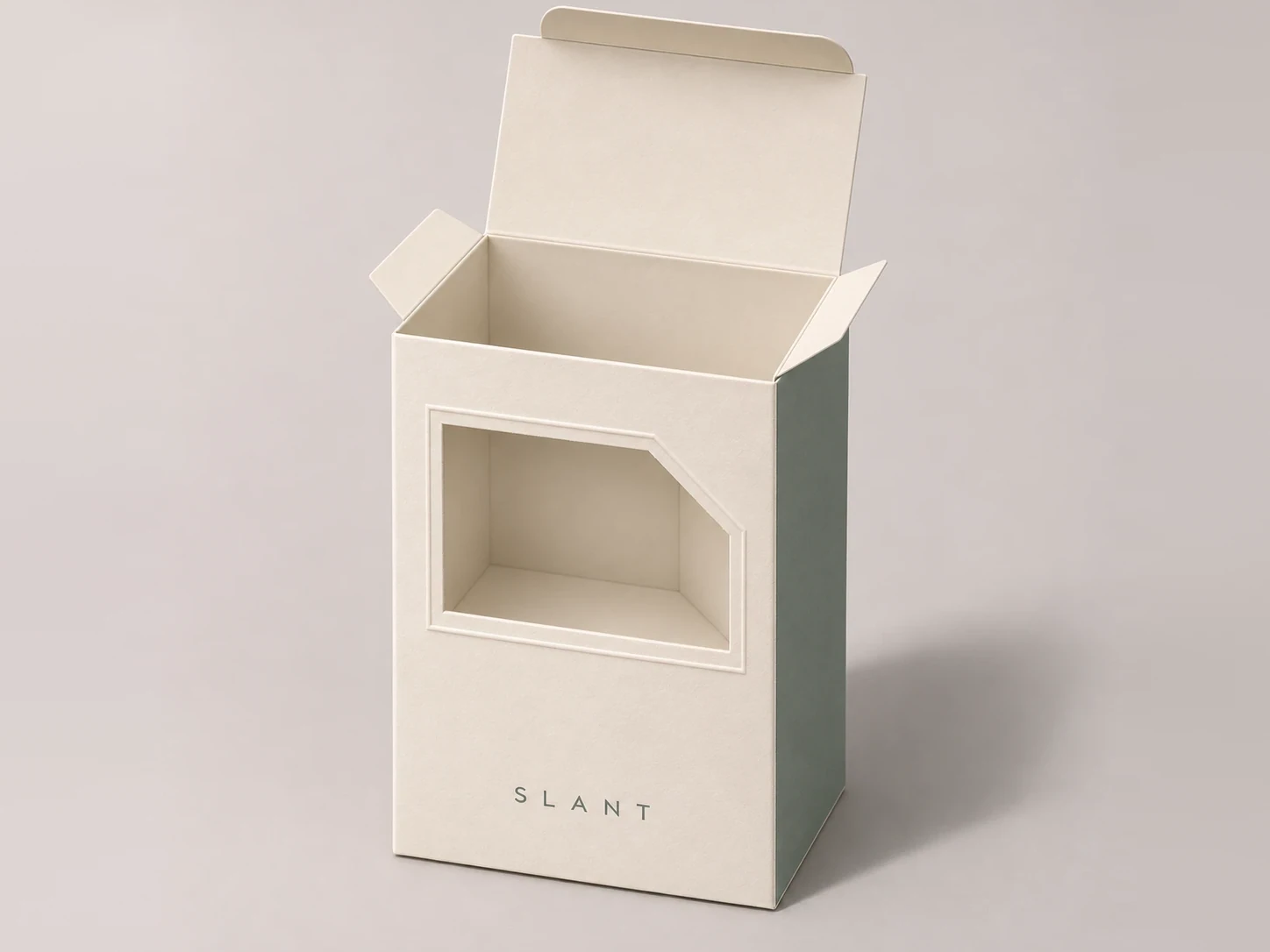
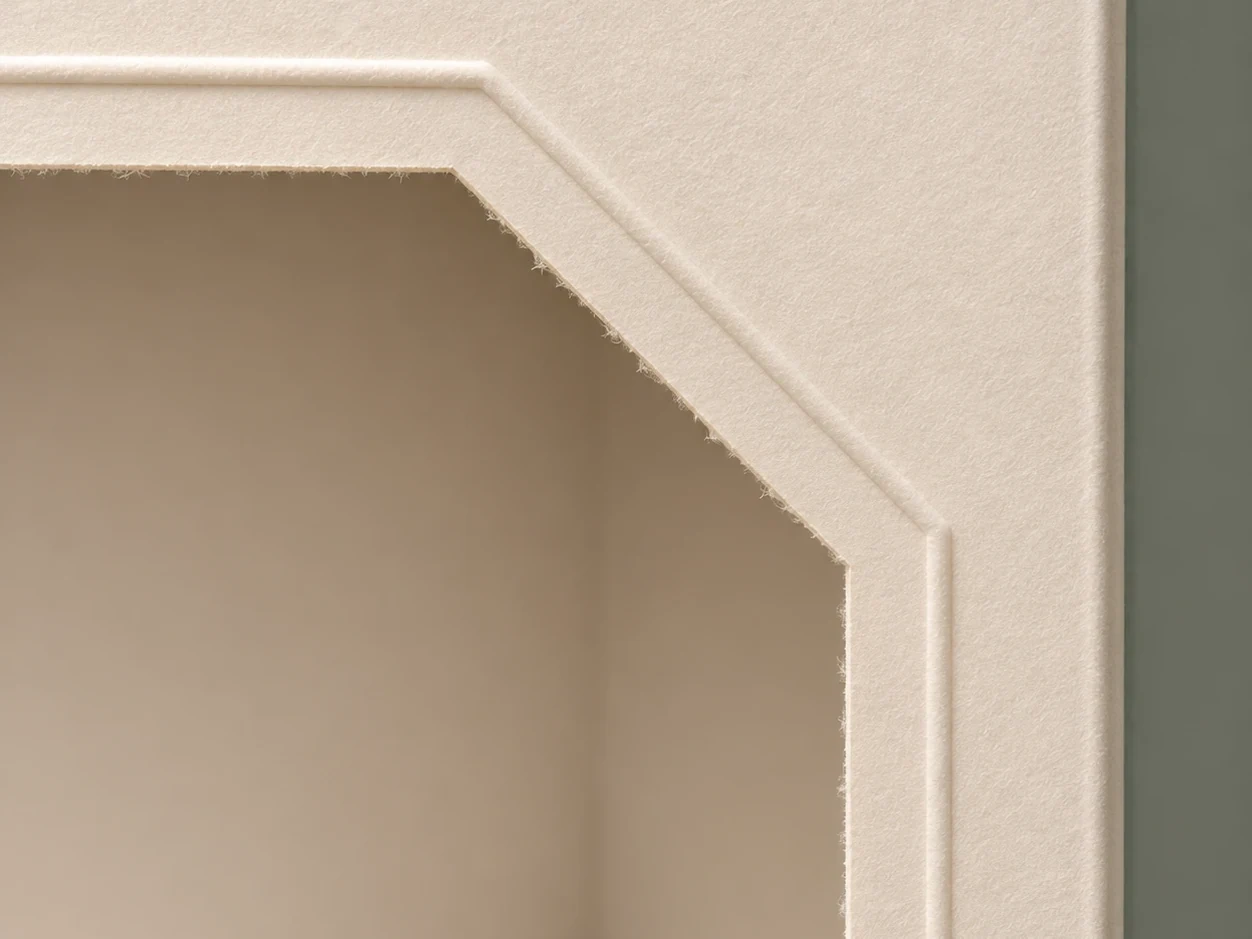
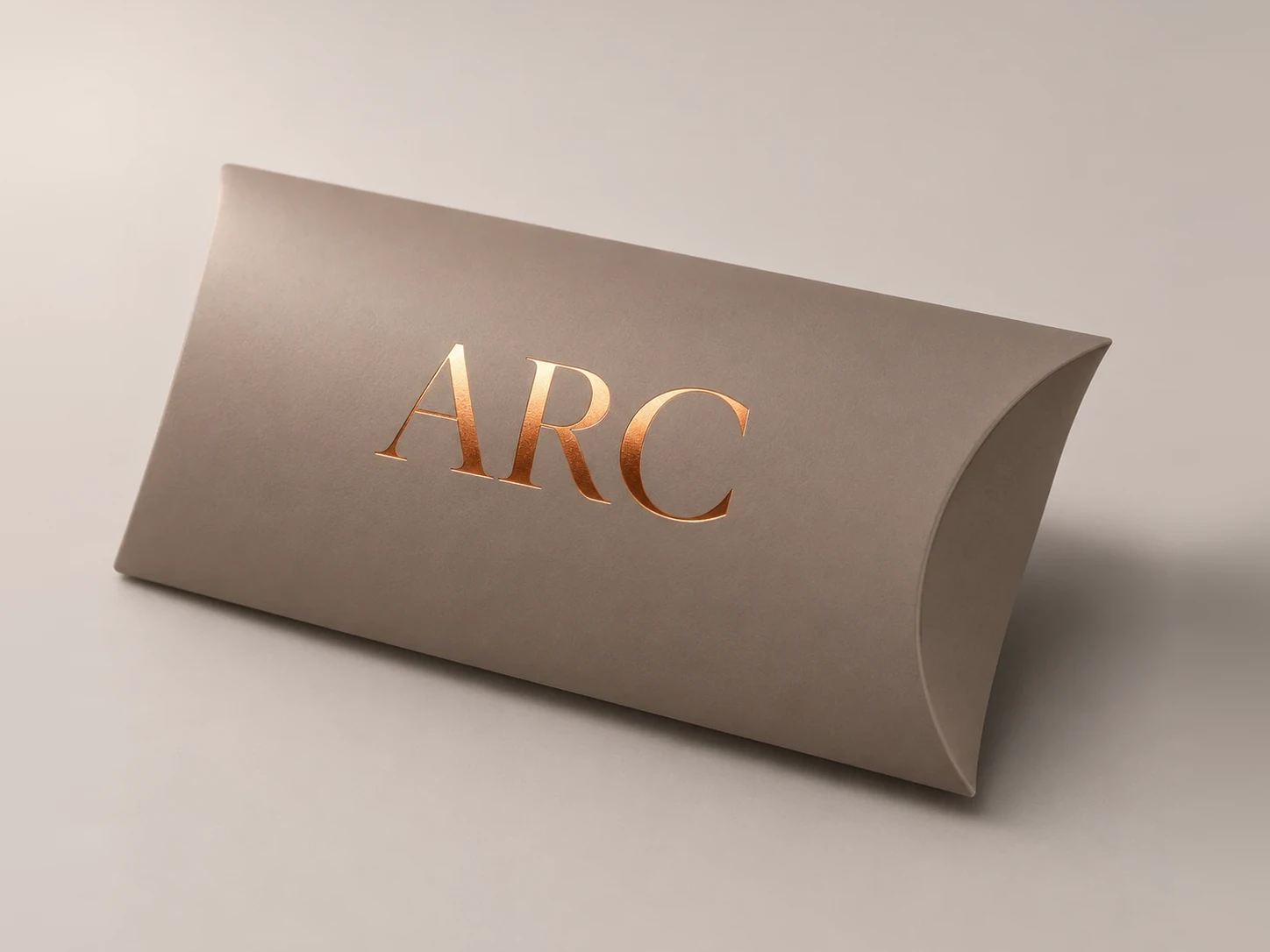
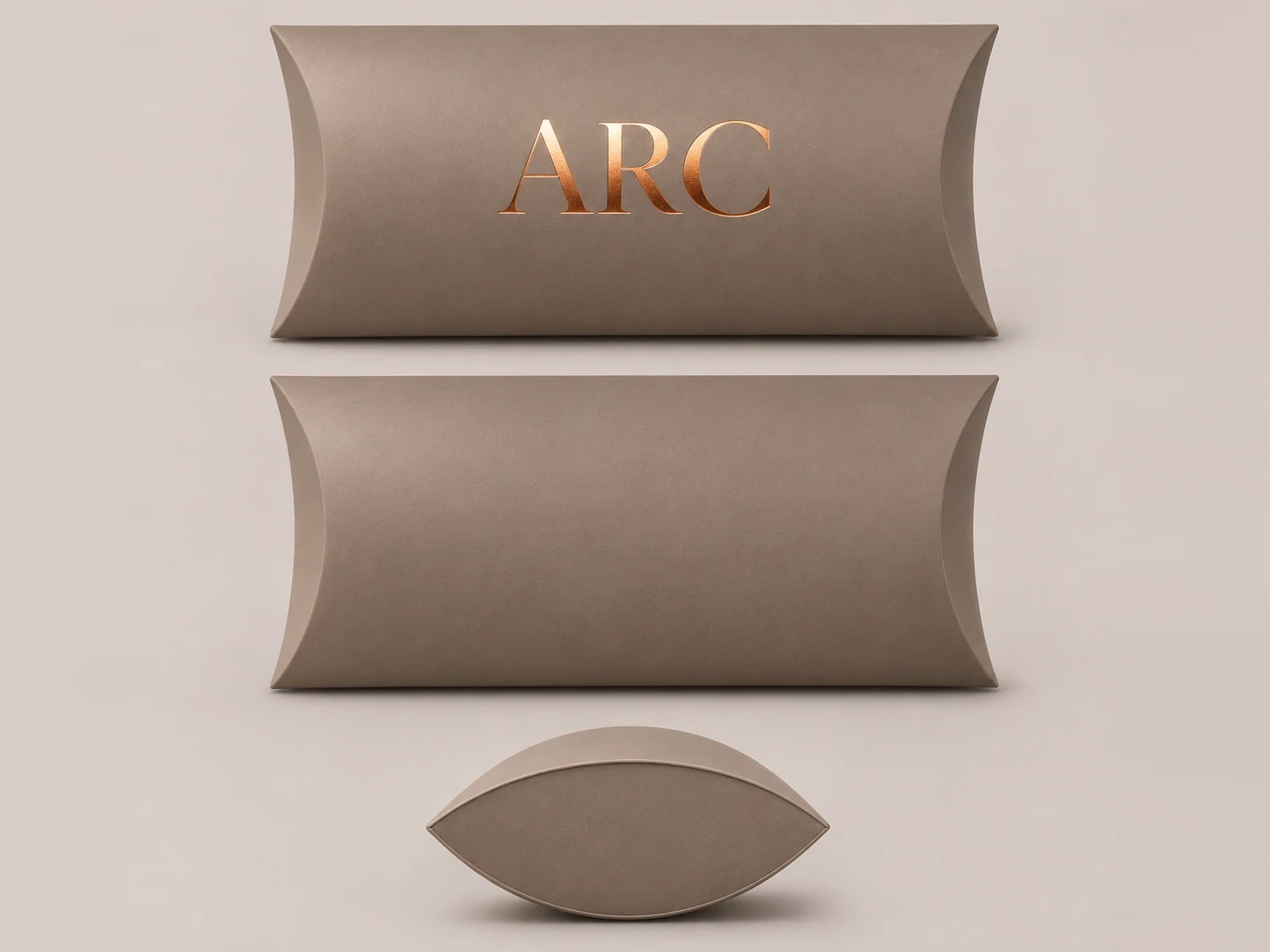
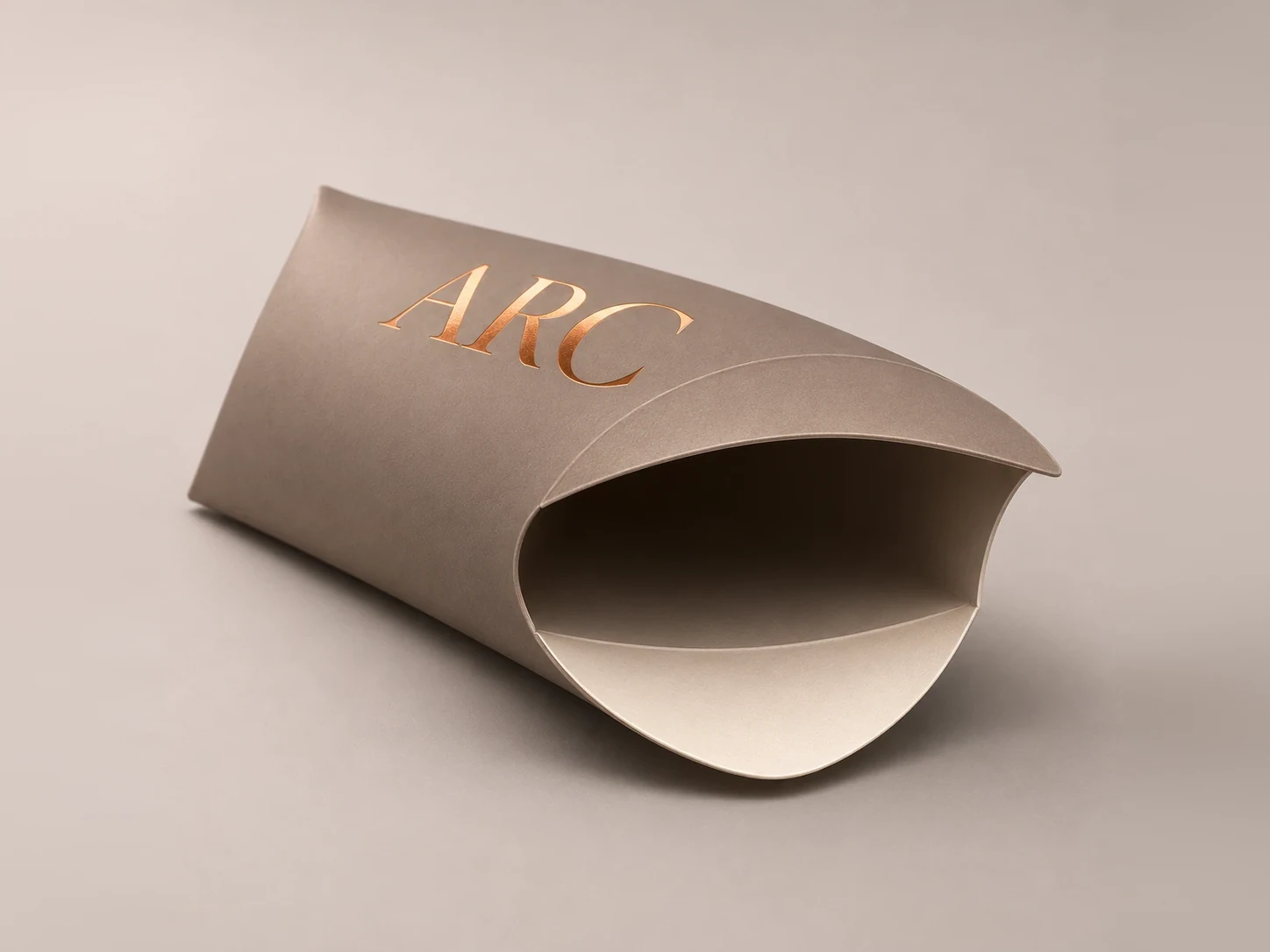
Choose custom folding cartons around the item and the way it goes into the pack. Compare tuck ends, locking bases, window openings and a sliding paperboard tray before laying out the printed panels.

Browse the formats
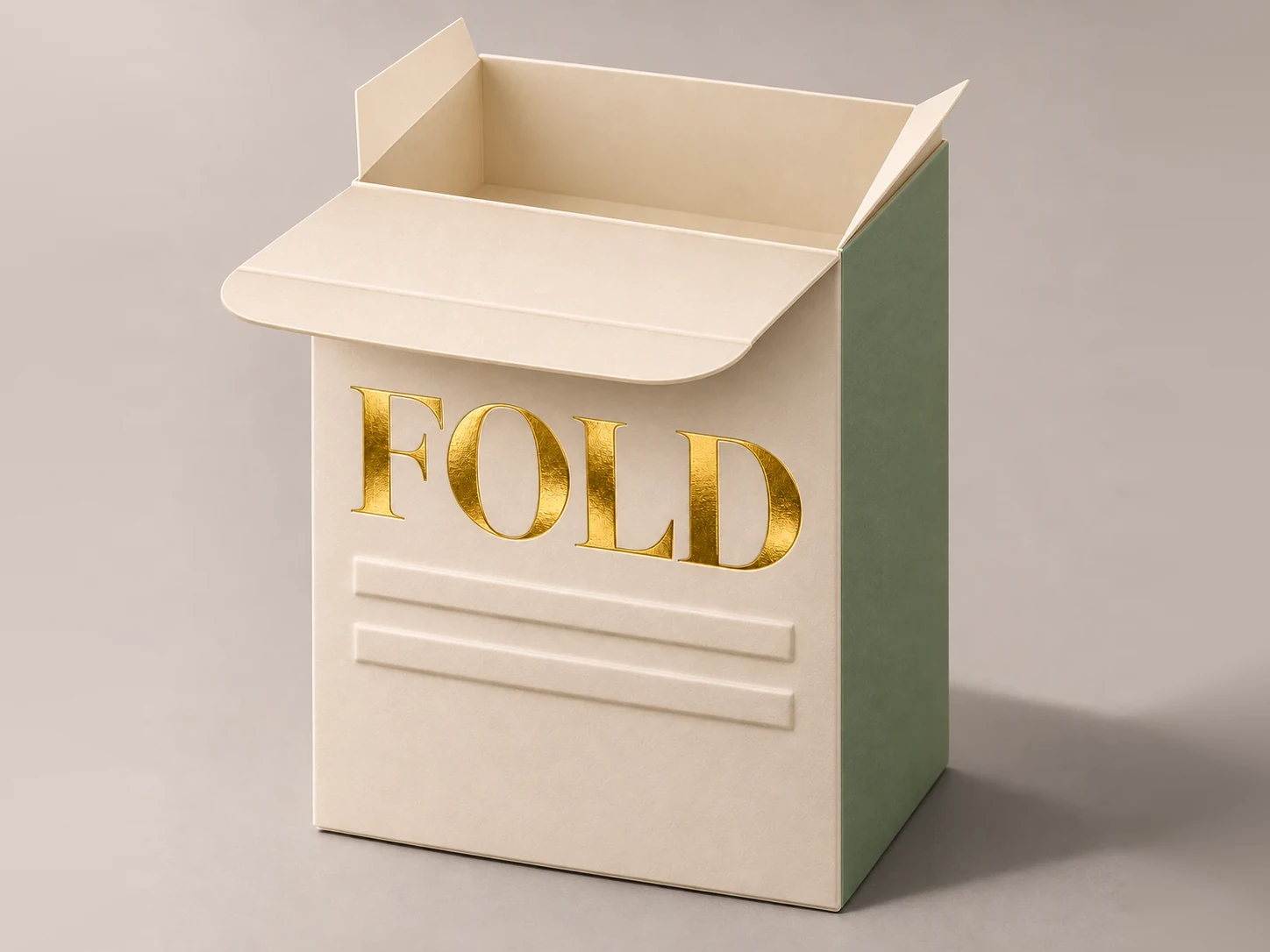
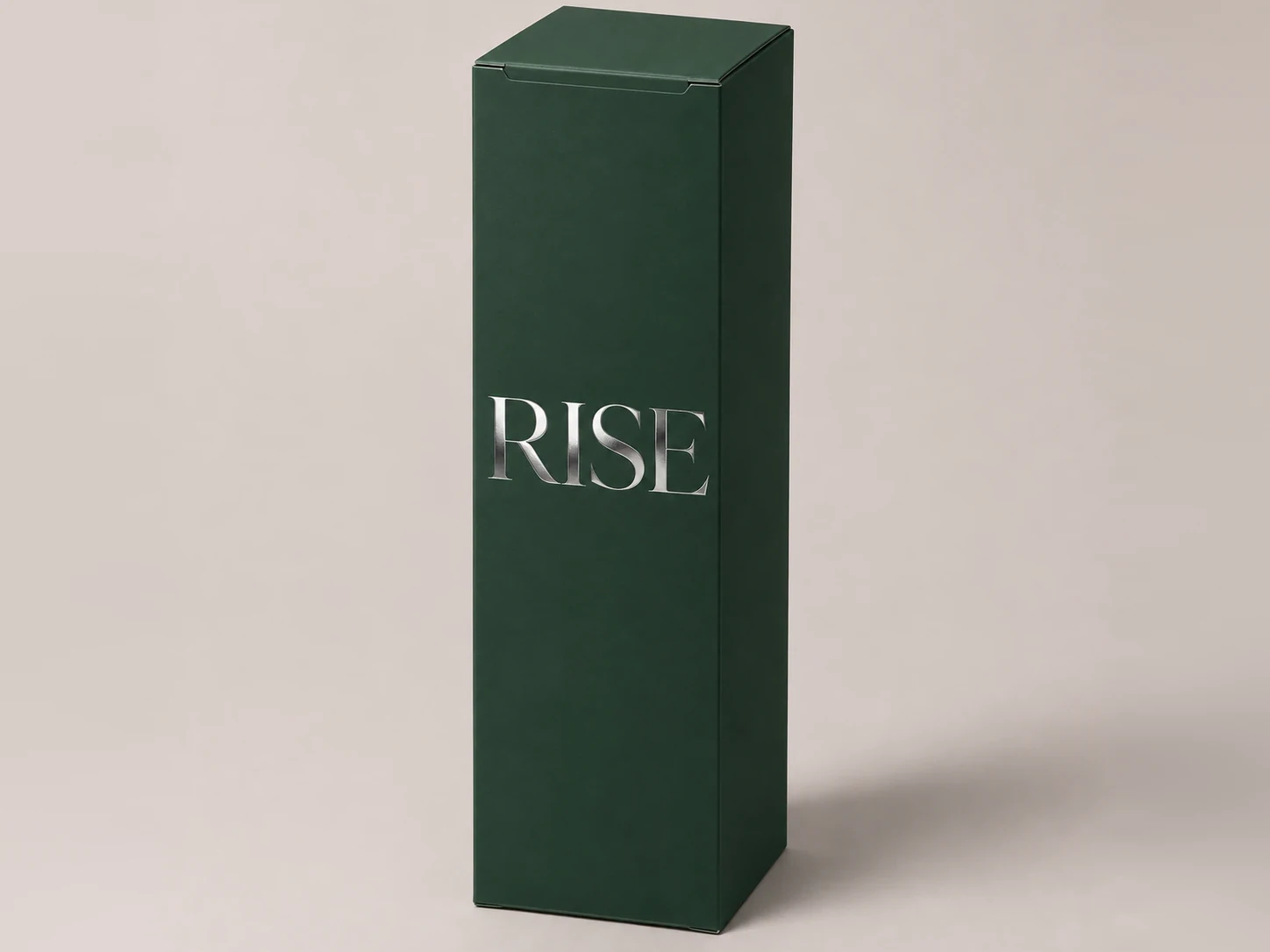
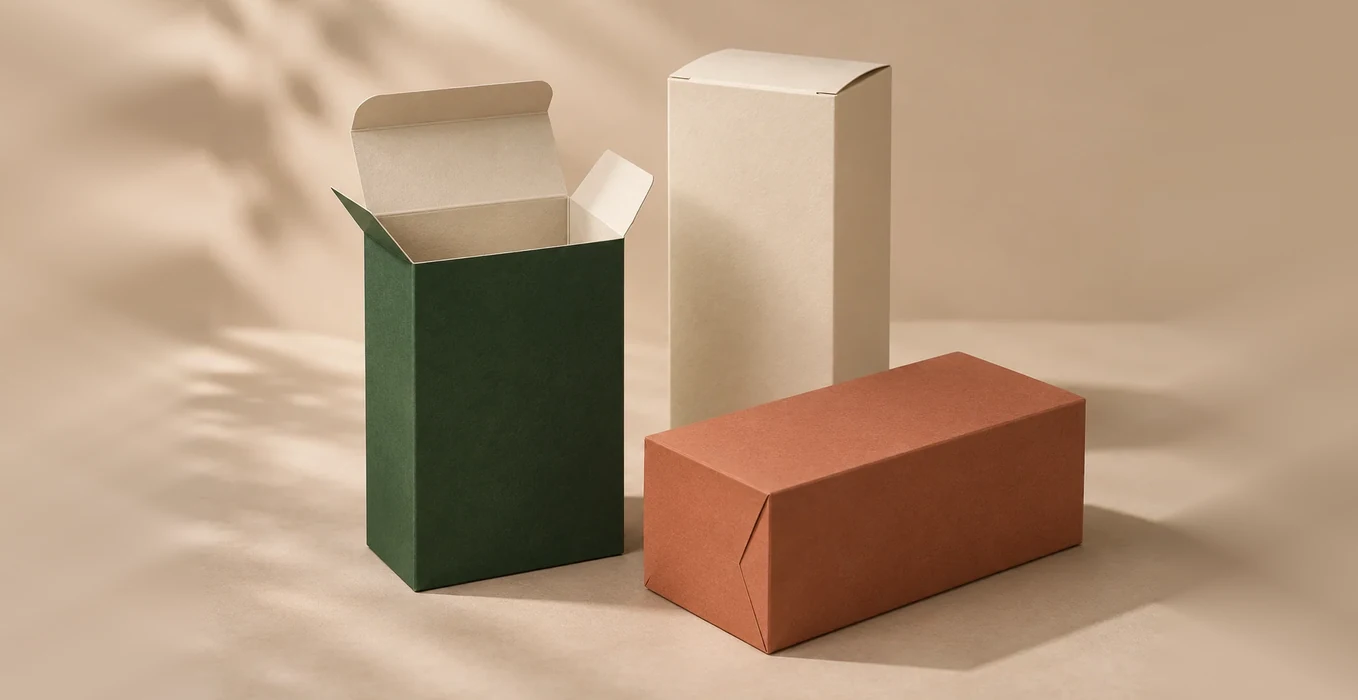
Open green tuck carton beside upright and horizontal closed paperboard cartons
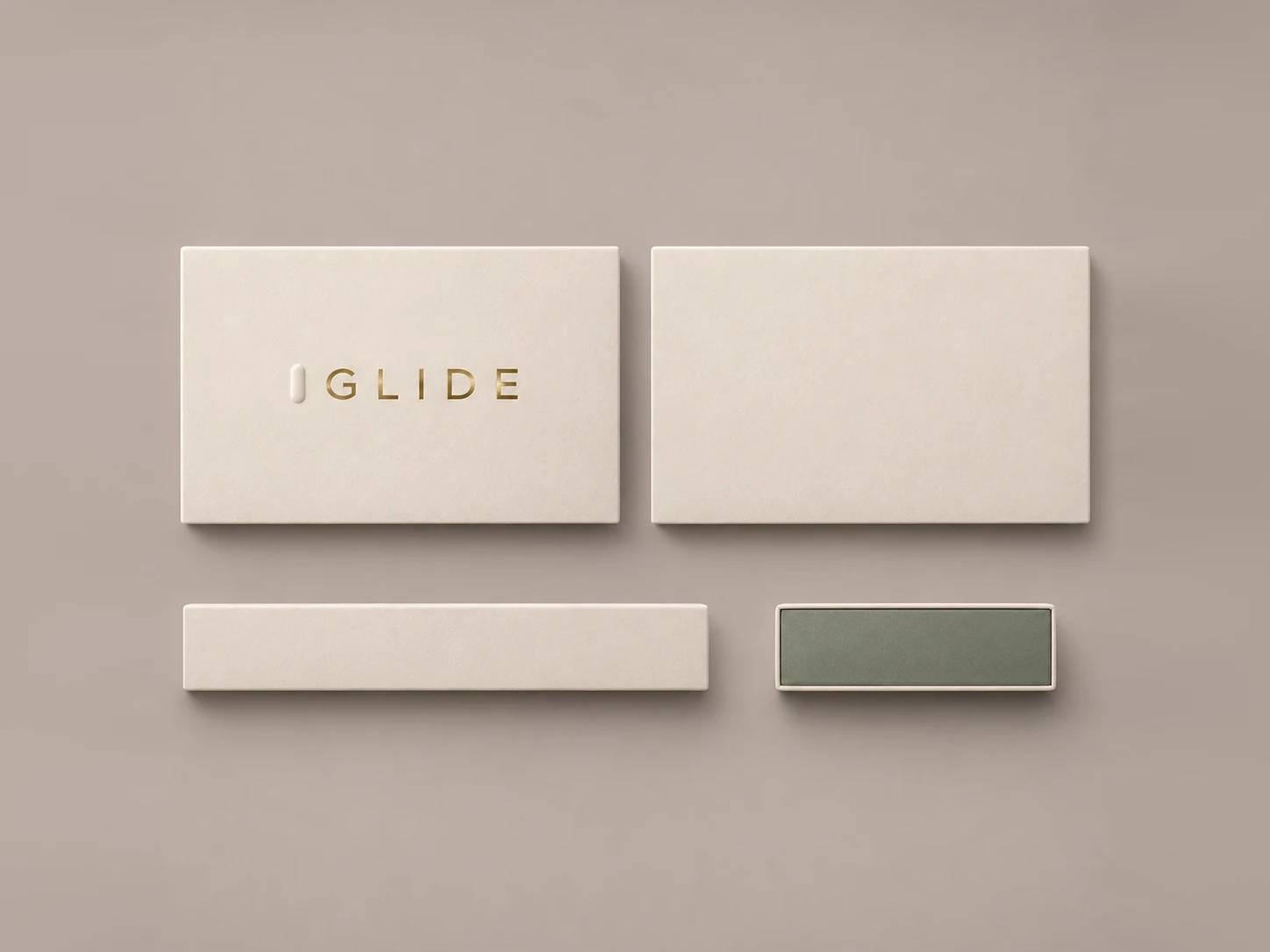
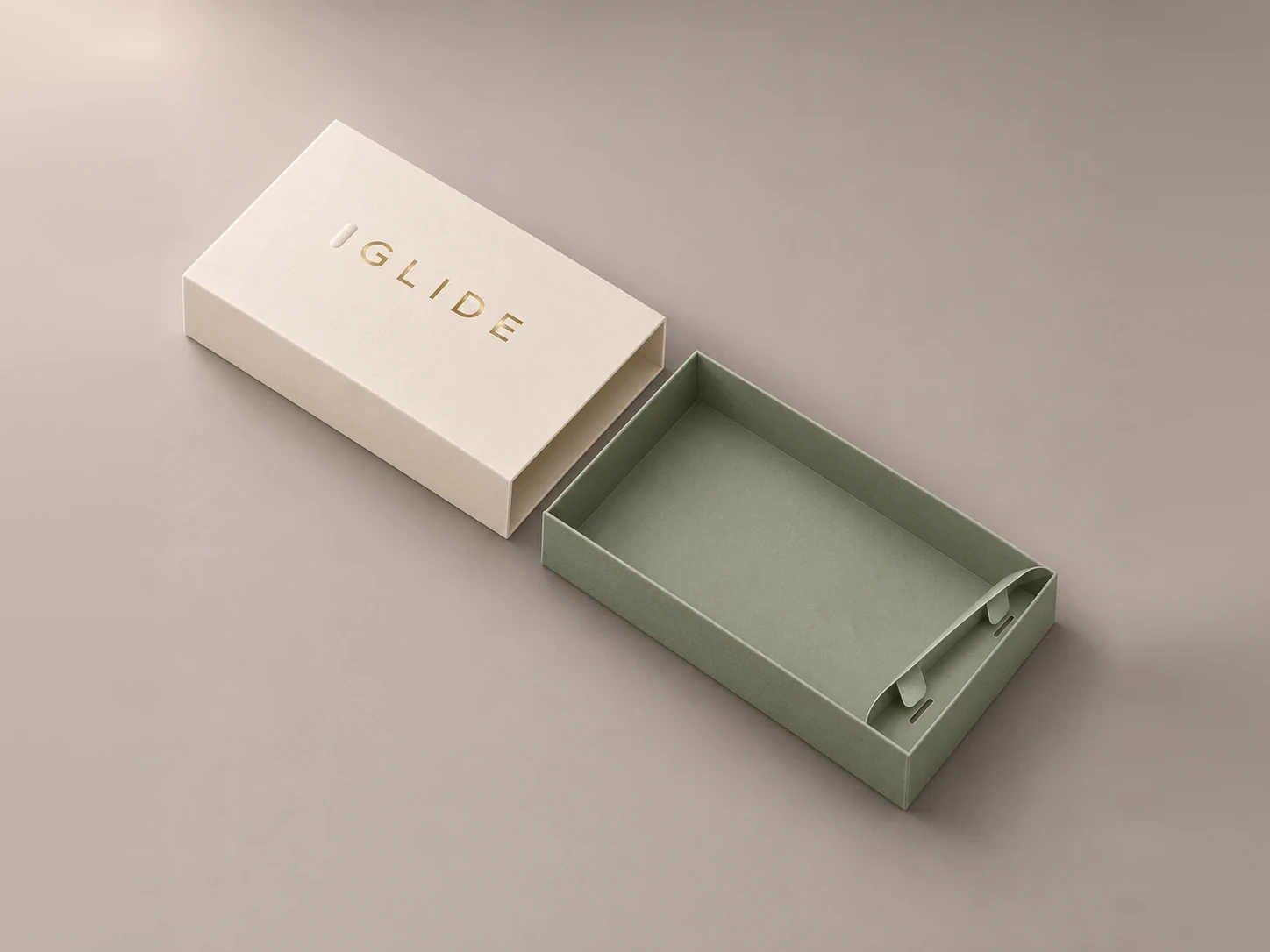
Open and closed carton formsAI concept visual

Format index

Straight Tuck End Carton

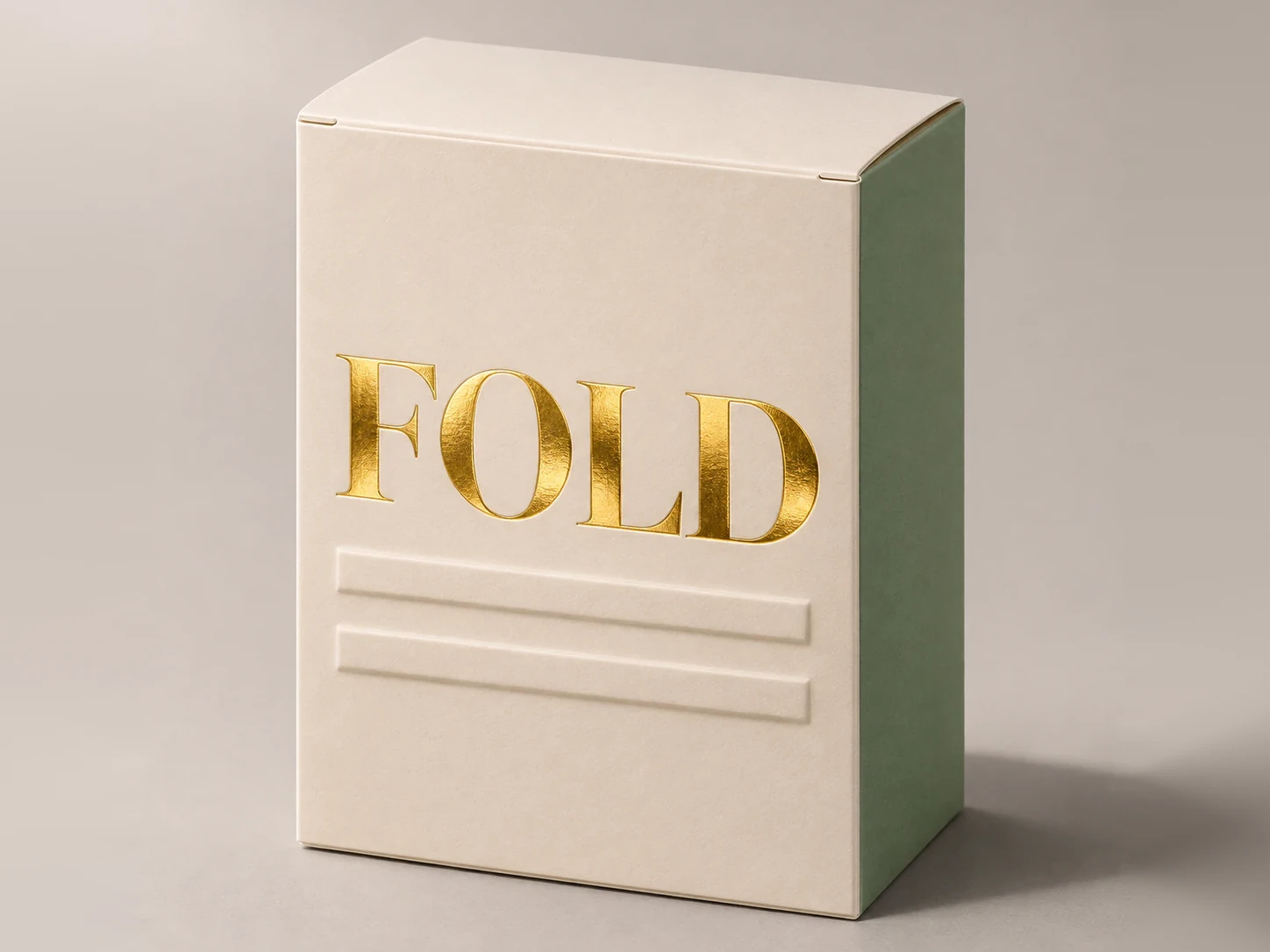
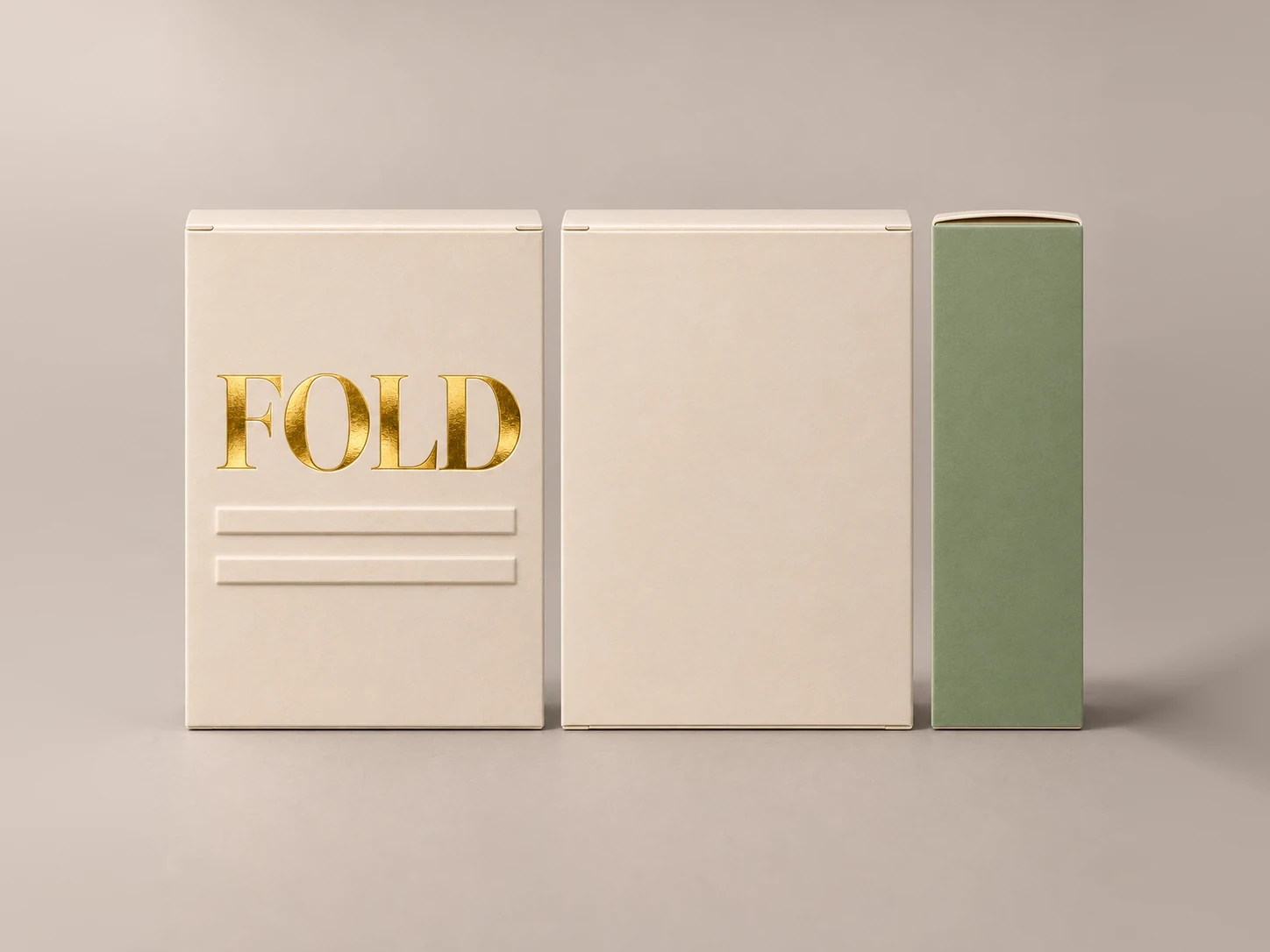
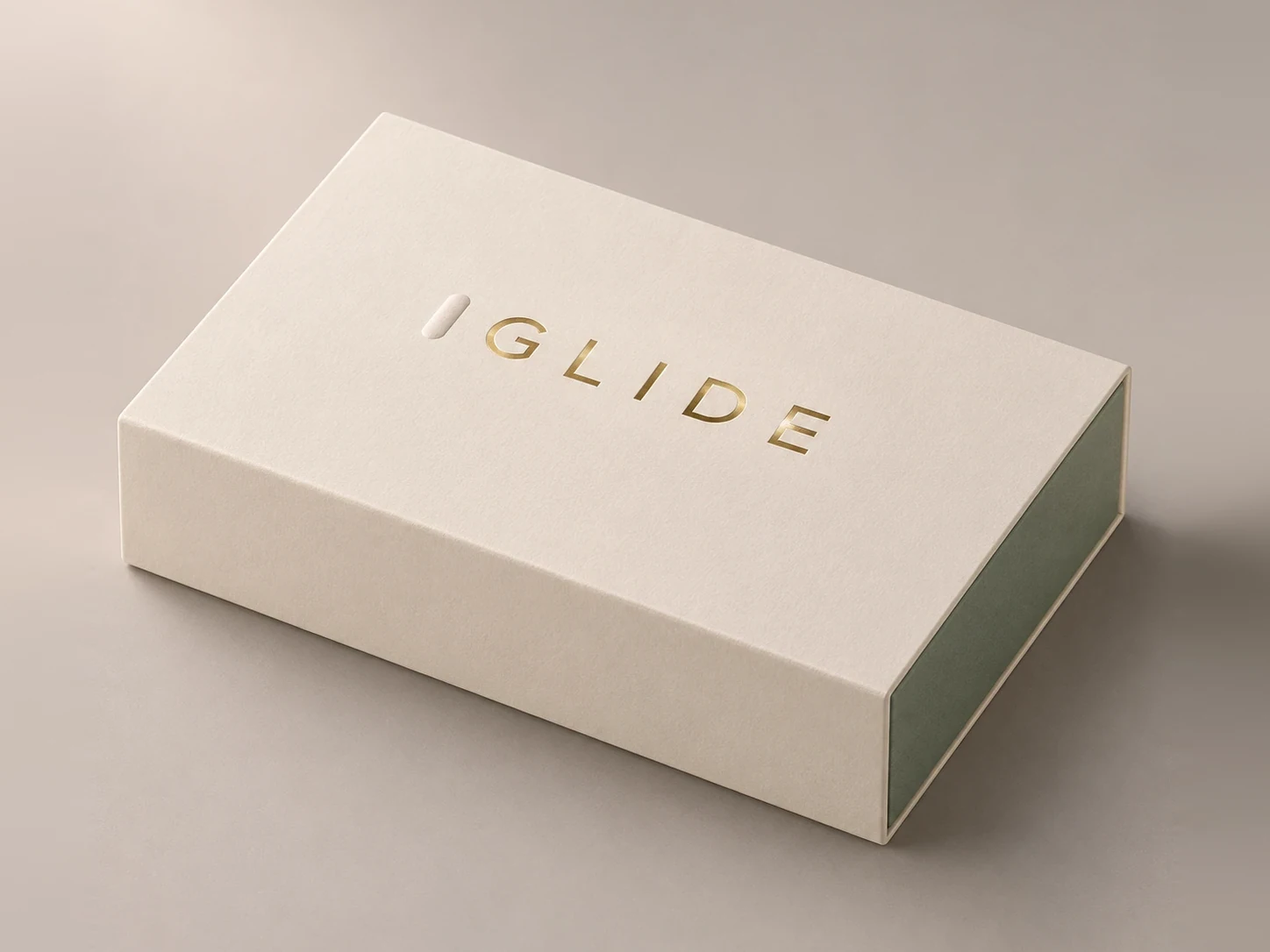
AI concept visual: Closed ivory FOLD carton with a sage side, gold foil lettering and two raised bars
AI concept visuals

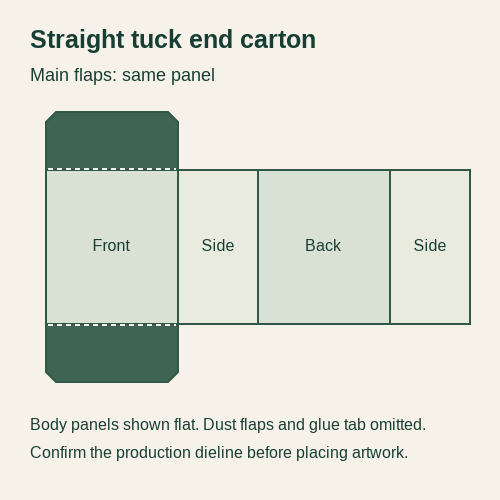
The top and bottom tuck panels originate on the same body panel, so both ends tuck toward the same side. Choose the inside dimensions around the product and its loading direction.

Construction
Folding paperboard carton with both main end panels hinged on the same body panel.
View structure diagram
Planning the format
Both main tuck flaps hinge from the same body panel. Mark which end is used for filling and which face carries the shelf artwork.

Materials & Customization

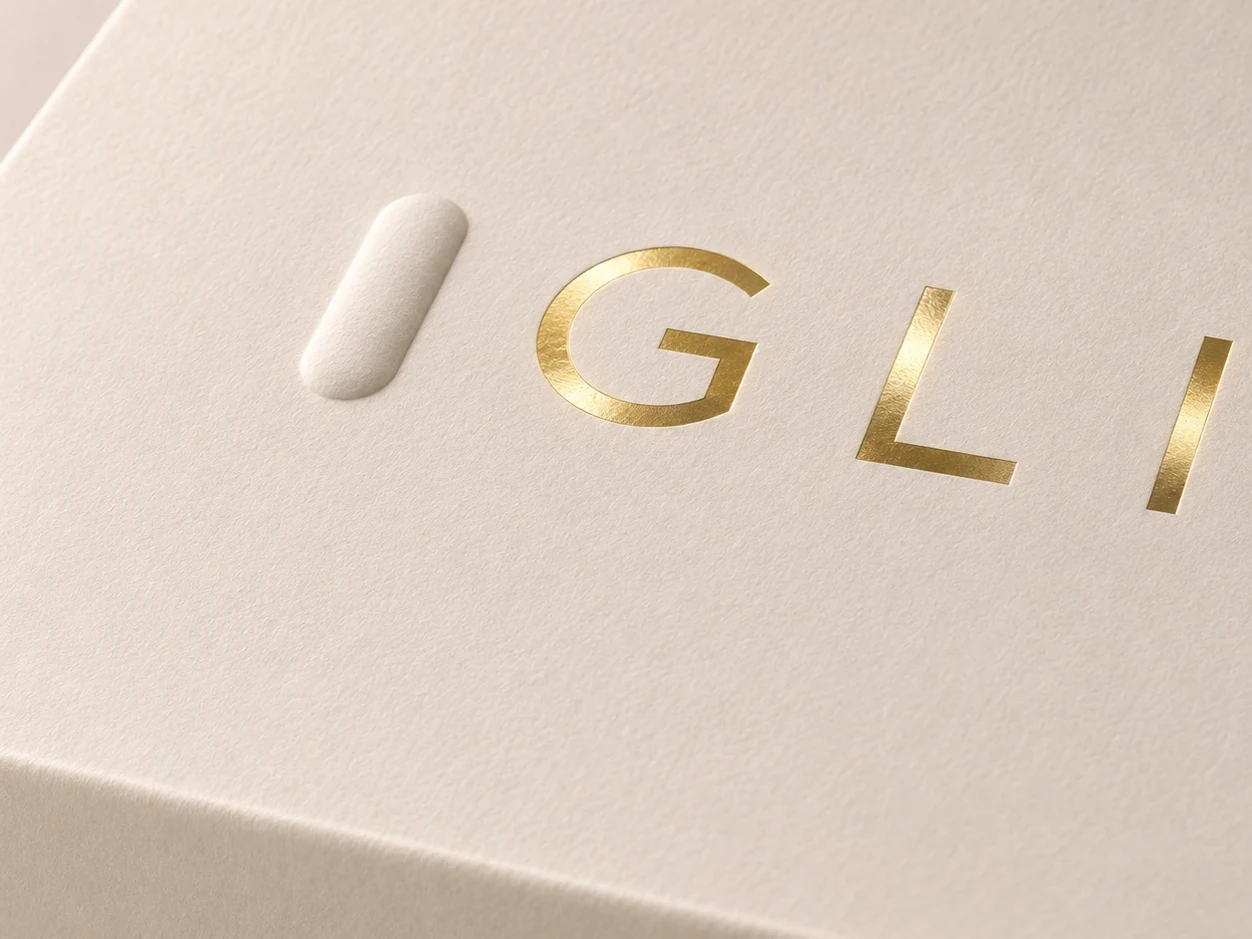
AI concept visual: Close-up of the gold foil letters LD and two blind-embossed bars beside the sage side fold
Straight Tuck End Carton · Surface detail · AI concept visual
Materials
Folding paperboard selected for scoring and the printed surface
Structure
Closure direction, opening face, and seam position belong in the reviewed dieline.
Paperboard
Material appearance and folding behavior should suit the proposed size and contents.
Fit
Inside dimensions, product shape, and any support requirement are separate inputs.
Artwork
Identify the front, rear, sides, and flap areas in their assembled orientation.
Finish & delivery
Requested surface effects and flat or assembled packing need project assessment.
End layout
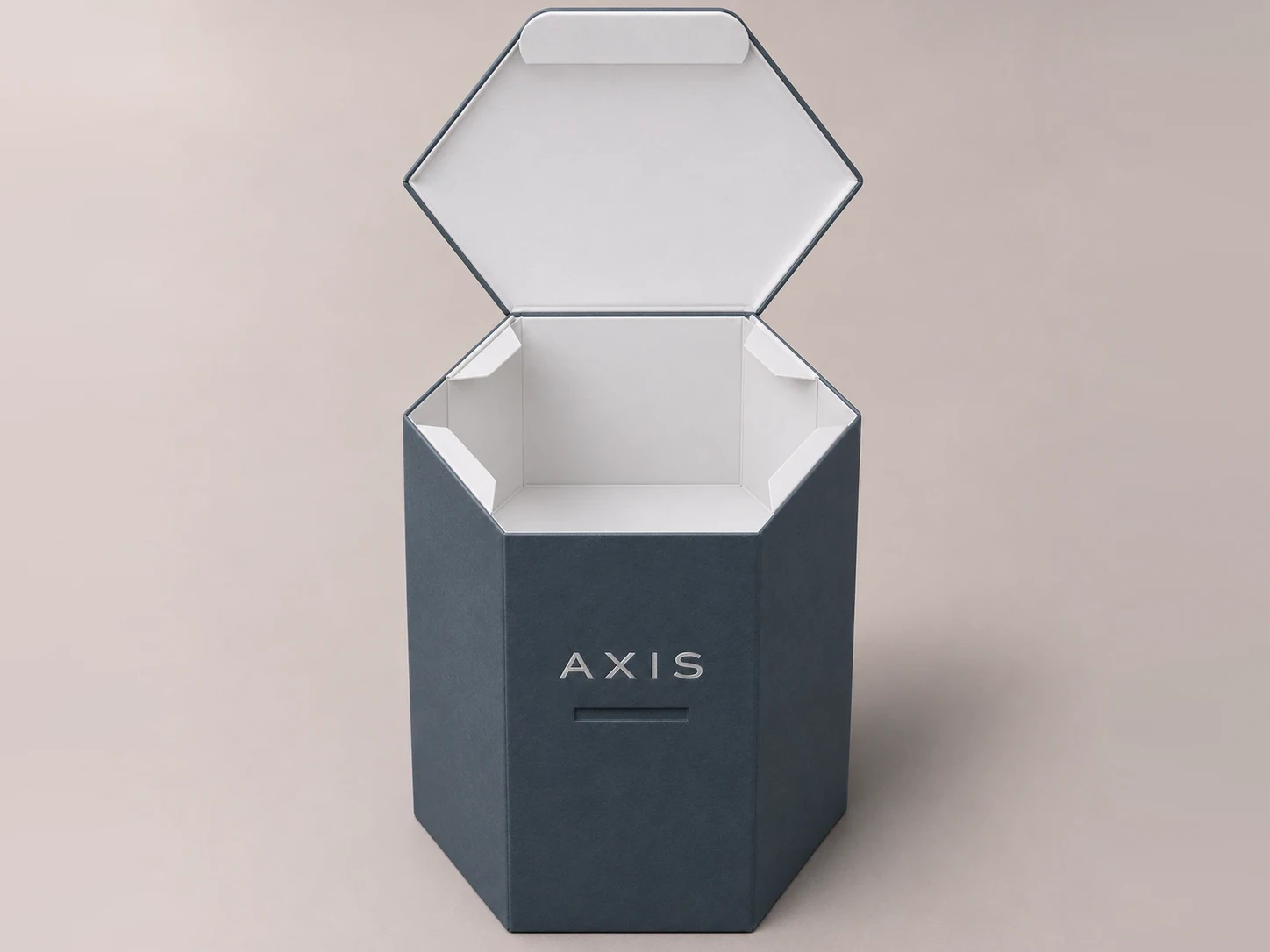
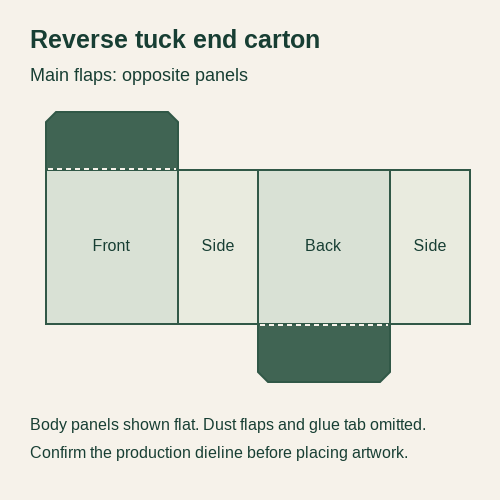
Open both ends of the same sample and identify the front and back on the dieline.
Product fit
List internal width, depth and height in packing orientation.
Packed dimensions
Specify the item’s width, depth and height in its packing orientation. Include any clearance or insert in the fit review.
Panel artwork
Mark the front panel, flap artwork and seam on the flat layout.
Applications
Shelf-ready individual cartons · Compact retail packs
Construction & Finishing

Closure & loading
Mark the loading end and tuck direction on the dieline. For an auto-lock bottom, check the base against the approved drawing or folded sample.
Panels & inserts
Check the product fit with any proposed paper insert in place. Review the artwork on the assembled carton so the front panel reads correctly when closed.

Project Brief

Start with the packed item in the orientation it will occupy on the shelf. Mark the front face, loading end and inside dimensions on a drawing. A folded blank can reveal an awkward tuck or an obstructed window before artwork is final.

For a quote, give quantity by design, delivery destination and whether the cartons will arrive flat or assembled. If supplying a dieline, identify its revision and distinguish the cut lines from the creases.

For color and artwork across folded panels, see packaging printing. For cartons around wrapped assortments, compare bakery and confectionery packaging.

FAQ

How do I confirm which end to load first?

Pack a plain folded sample in the order your team will use. Mark the loading end and the intended front face, then check that the closing flaps clear the product or insert without catching.

How do I give dimensions for an unusual footprint?

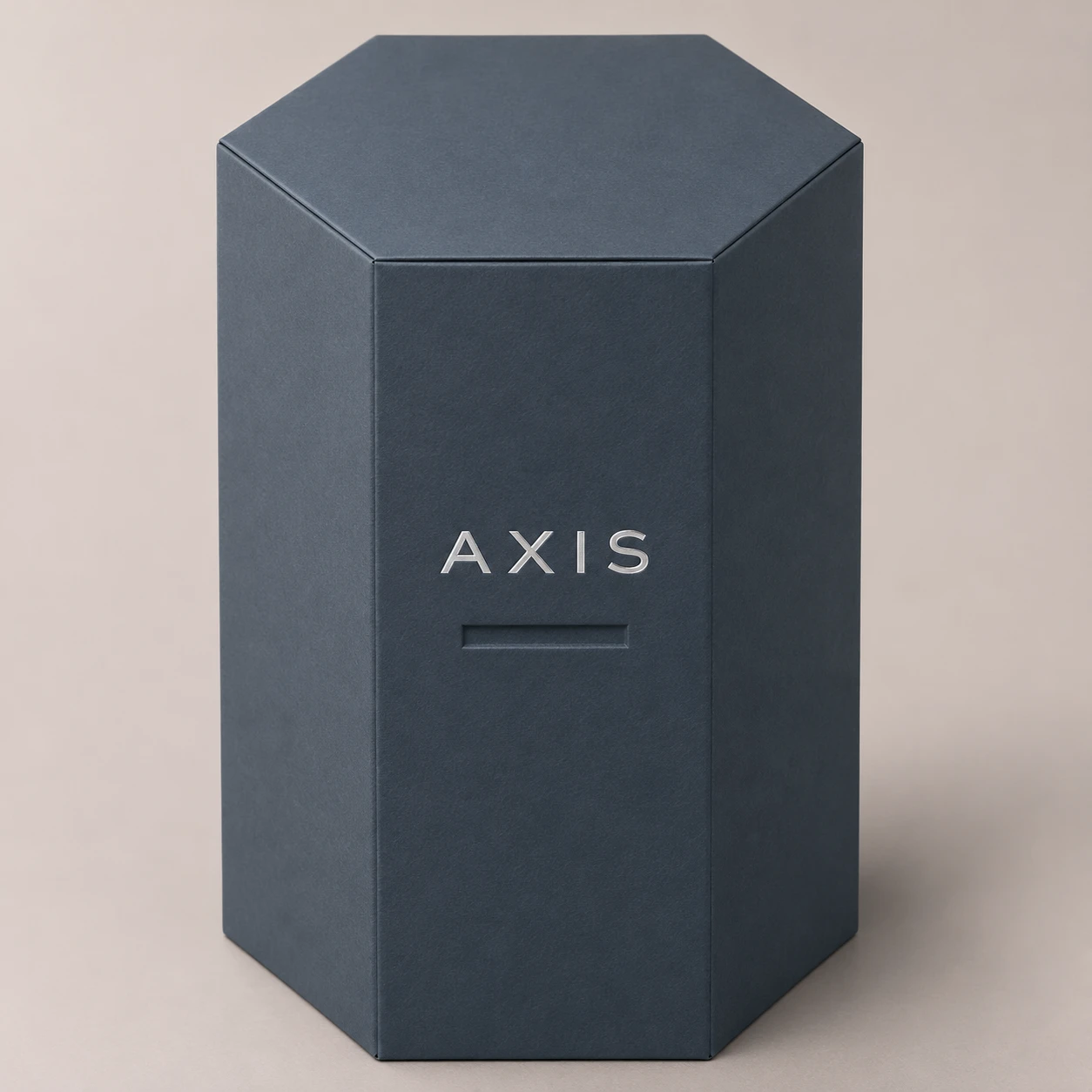
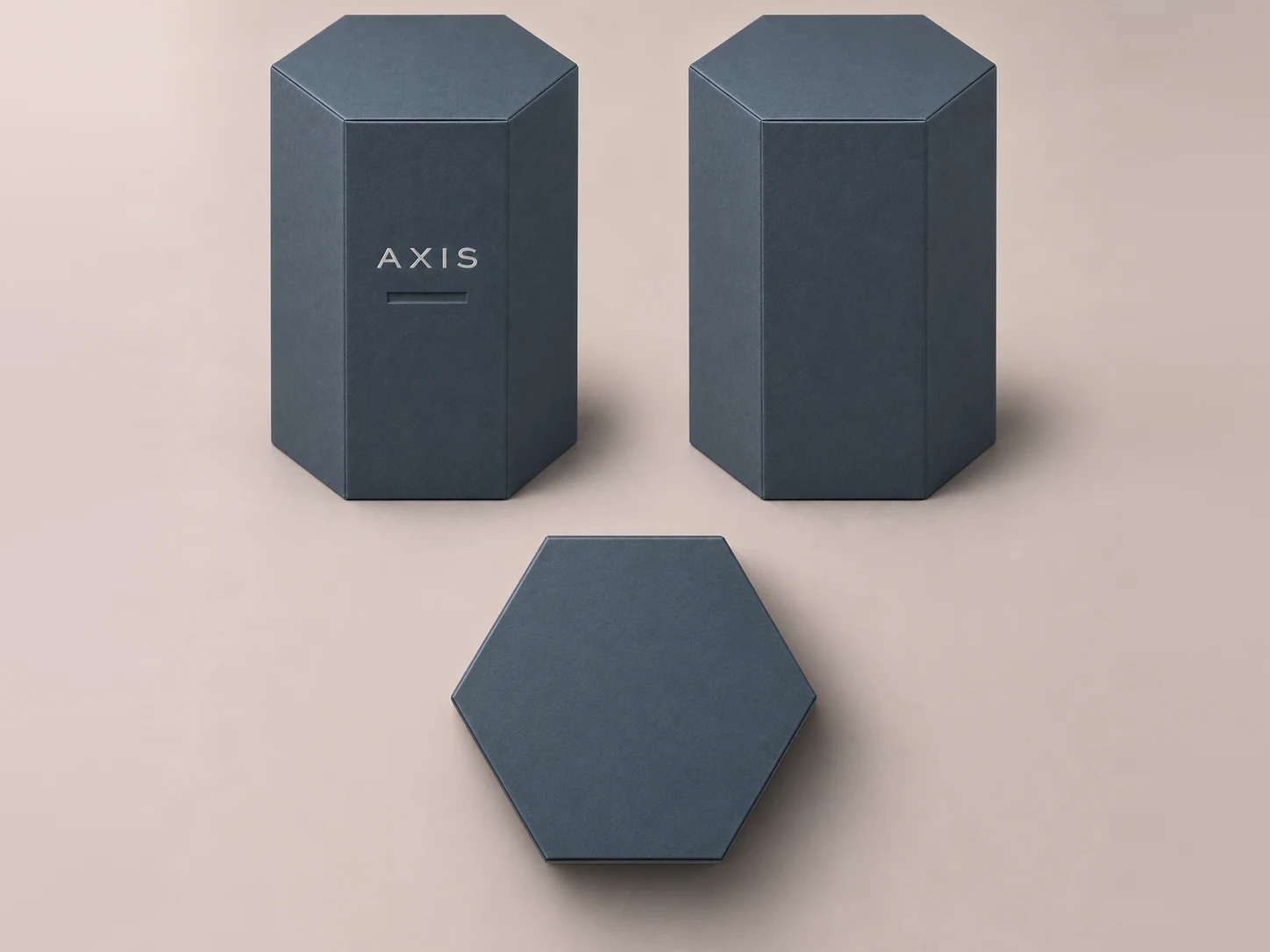
Use internal dimensions when the fit of the item matters. For a hexagon, state whether the width runs between parallel faces or opposite corners. Include the item or insert profile so that measurement can be interpreted.

What should I check before approving print on a folding carton?

Fold a plain proof around the product, close the pack and mark the customer-facing panels. On the print layout, check the reading direction, tuck areas, glue seam and any artwork that crosses a crease.

Request a Quote

Choose a format and fill in the details you know.

Carry your preferences into the inquiry form.

Chat on WhatsApp