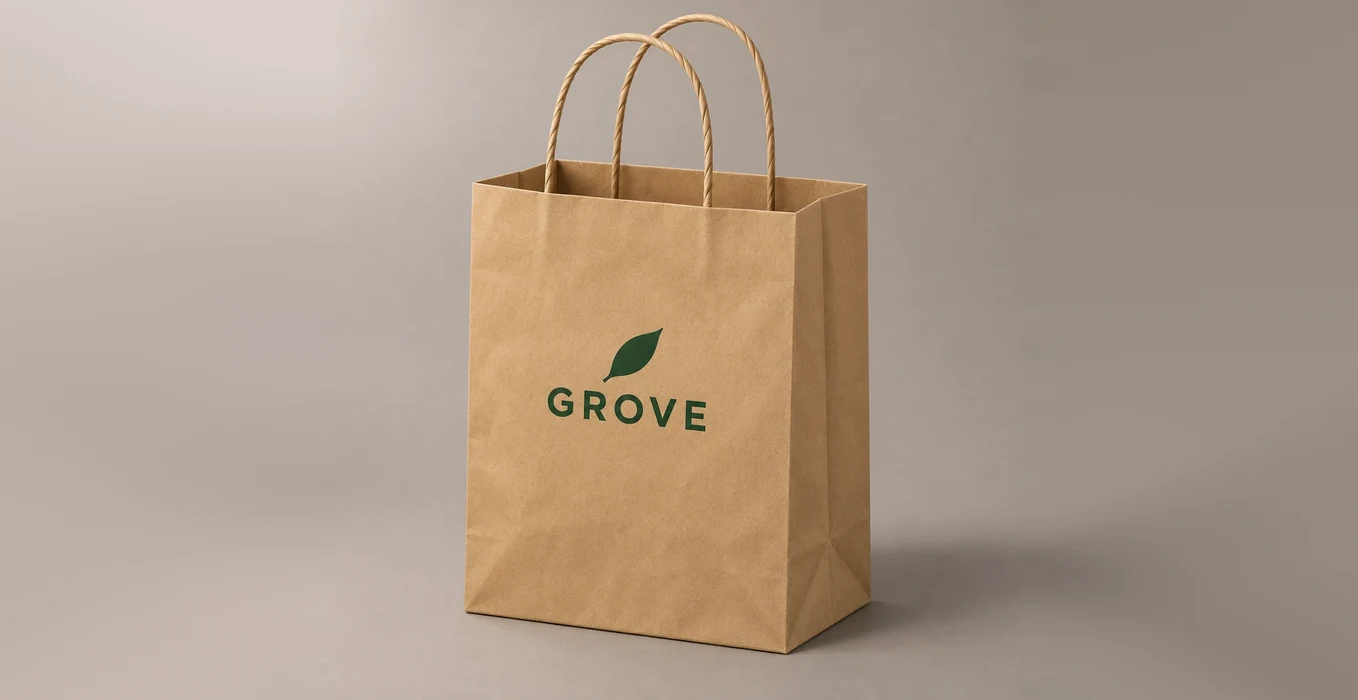
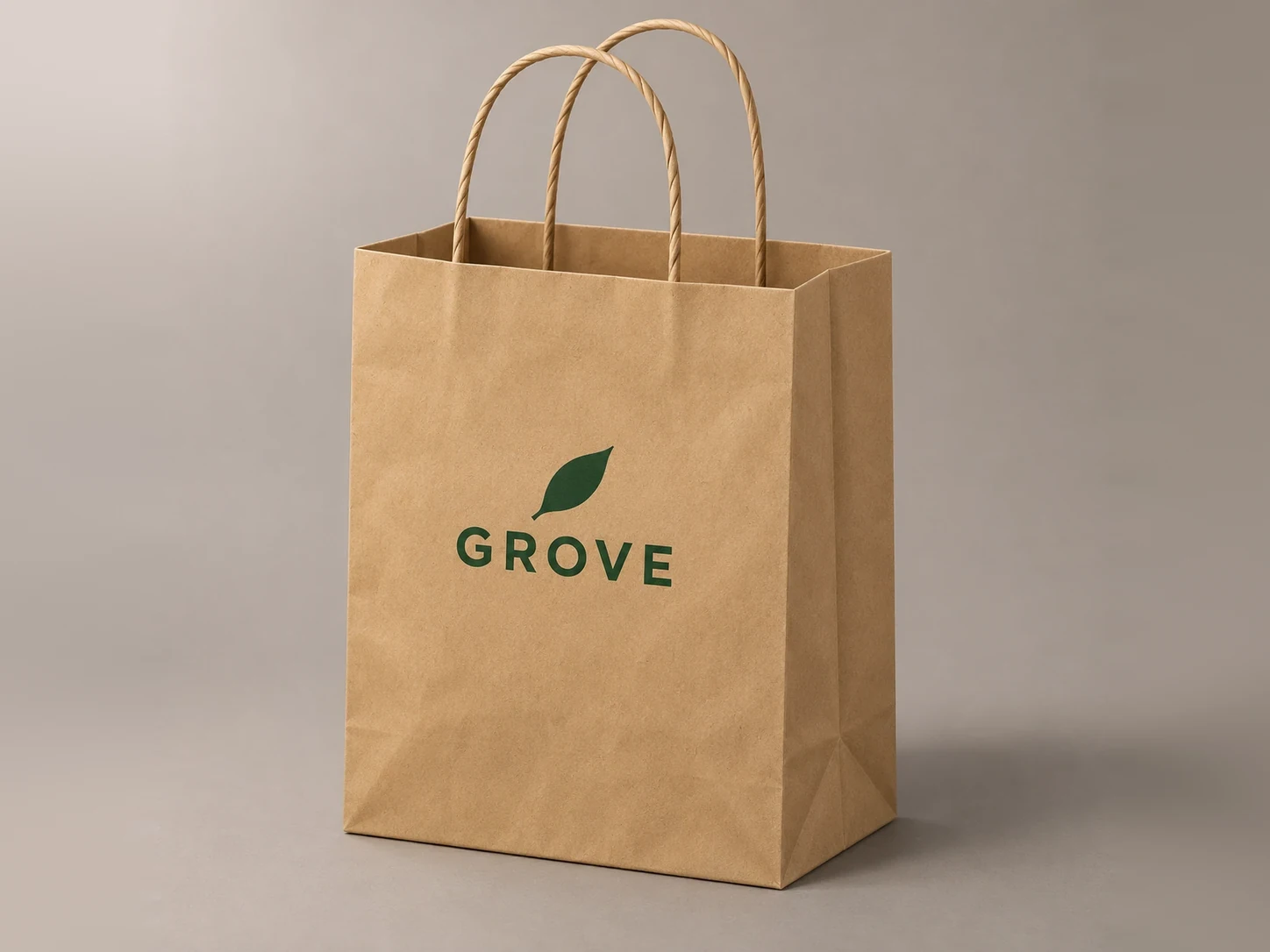
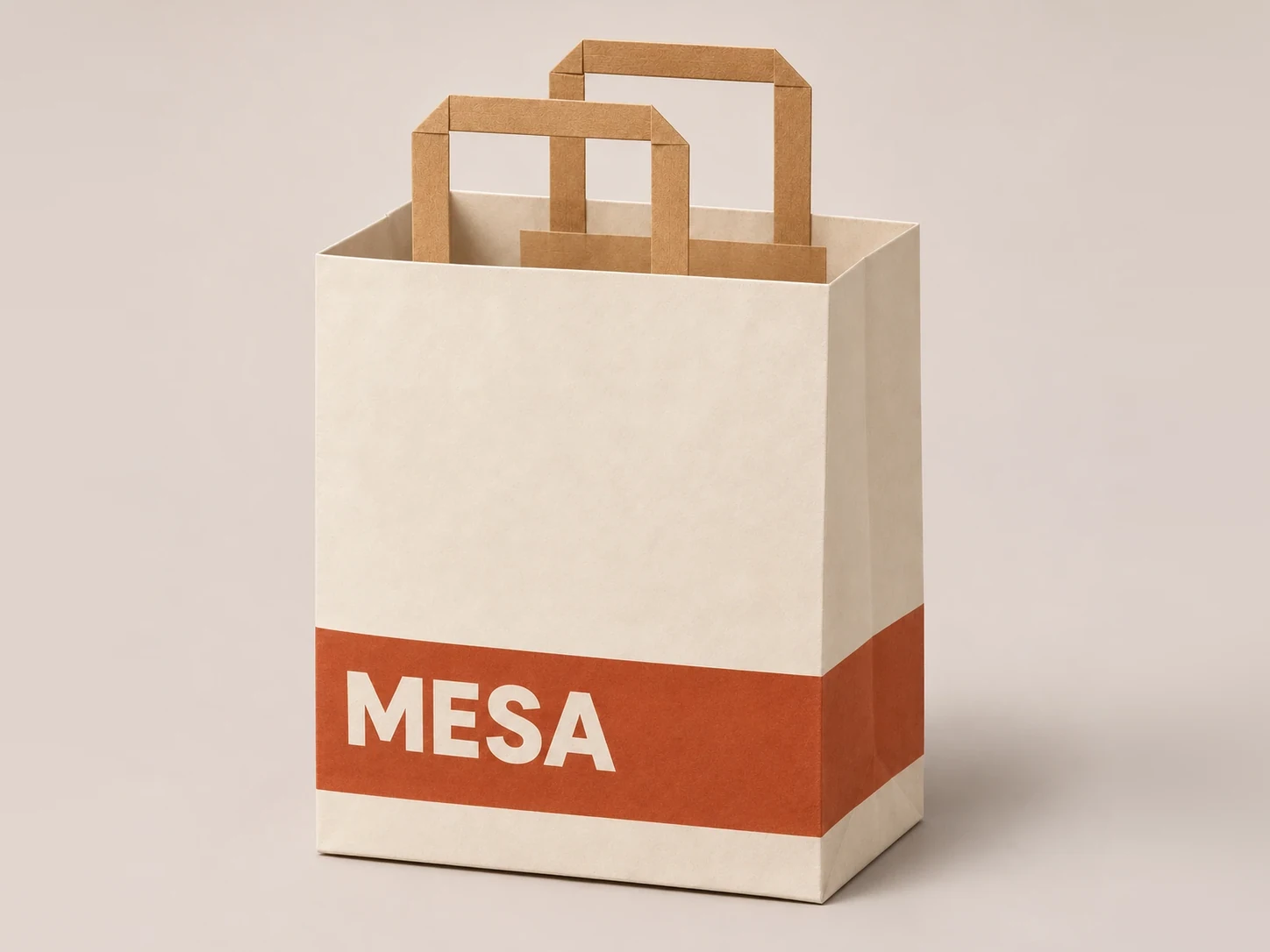
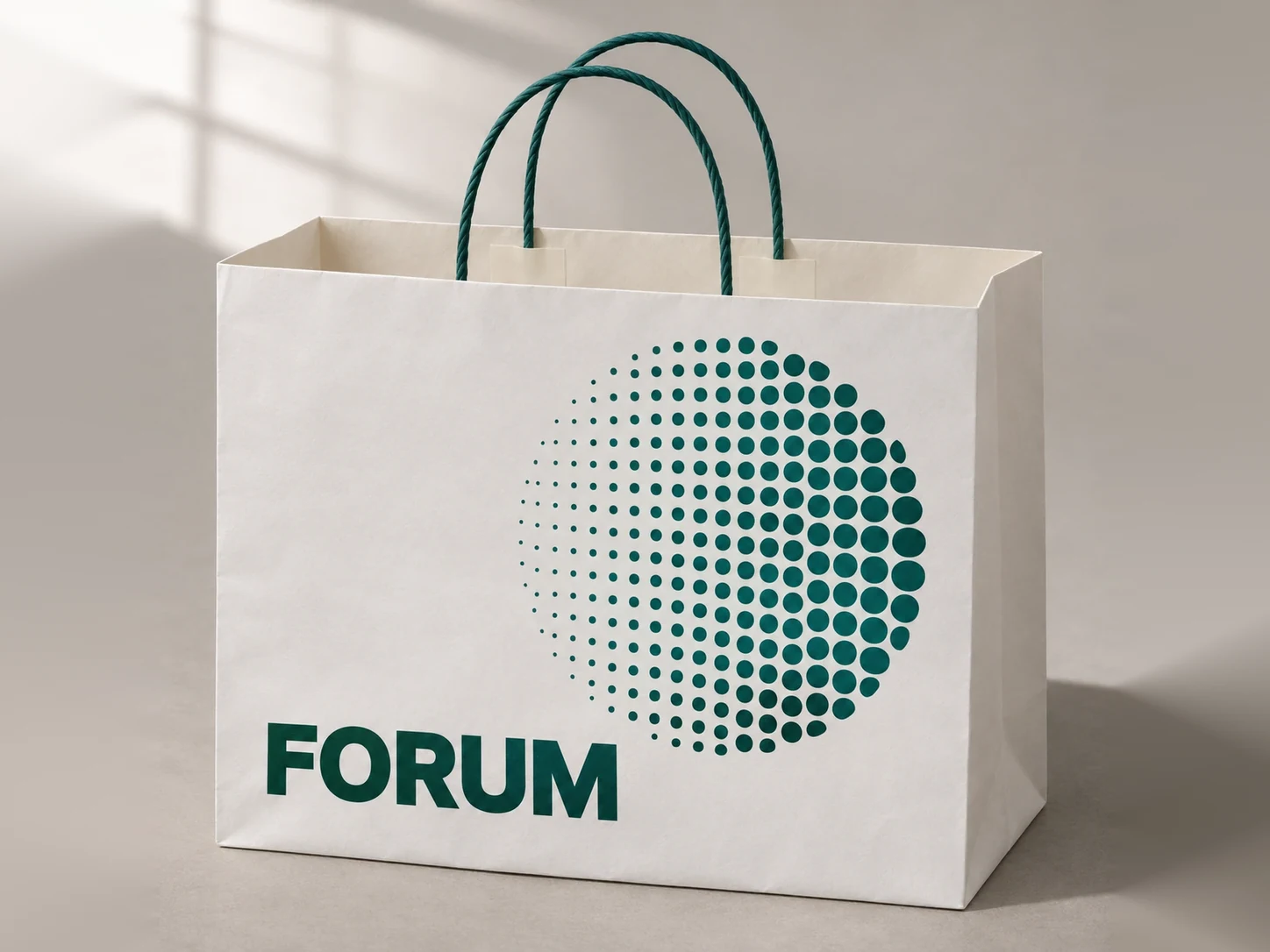
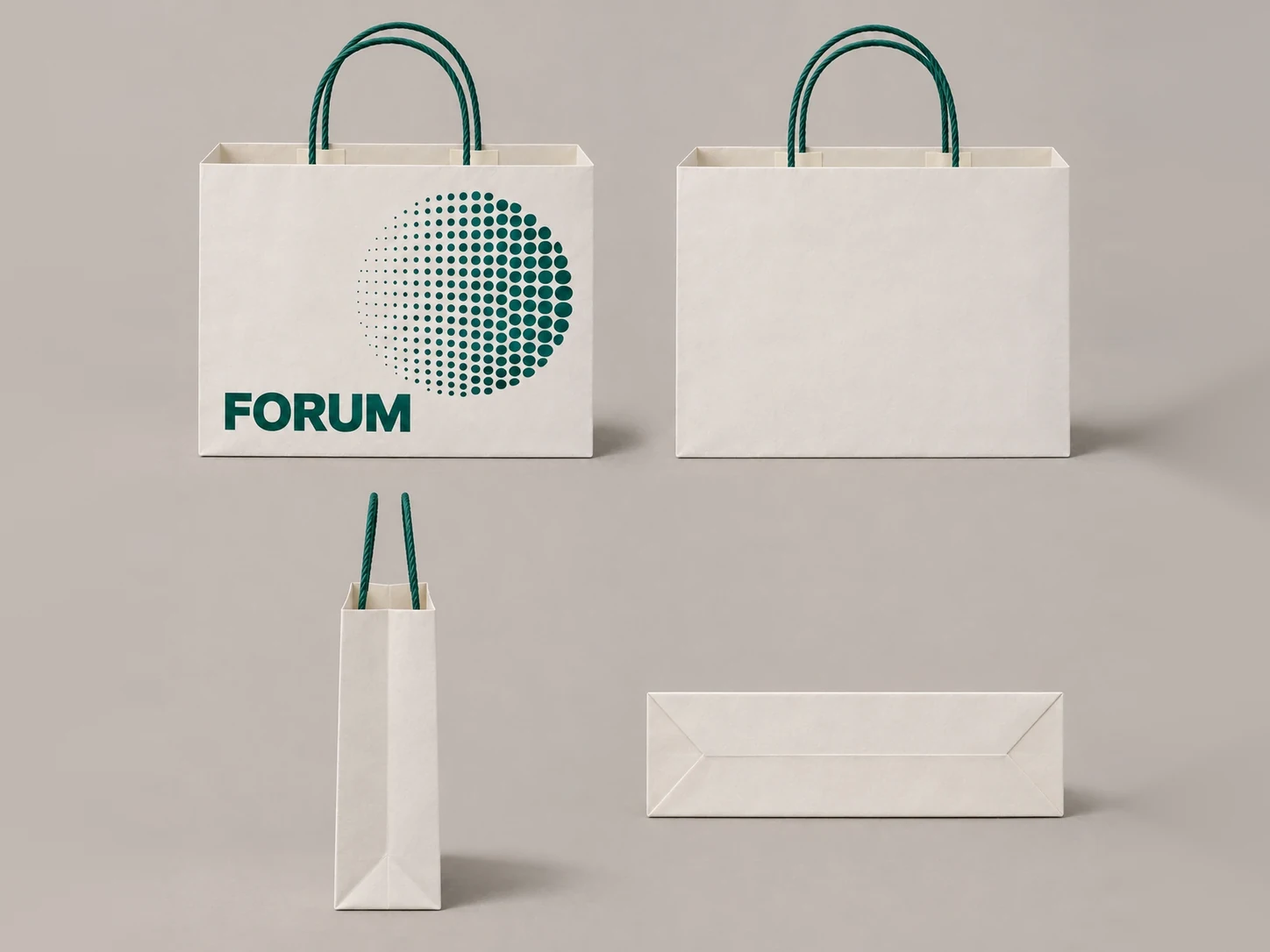
Start a custom paper shopping bag order with the largest purchase it needs to hold. A flat-handled checkout carrier, a paper Eurotote and a tall wine bag need different base proportions and handle clearance.
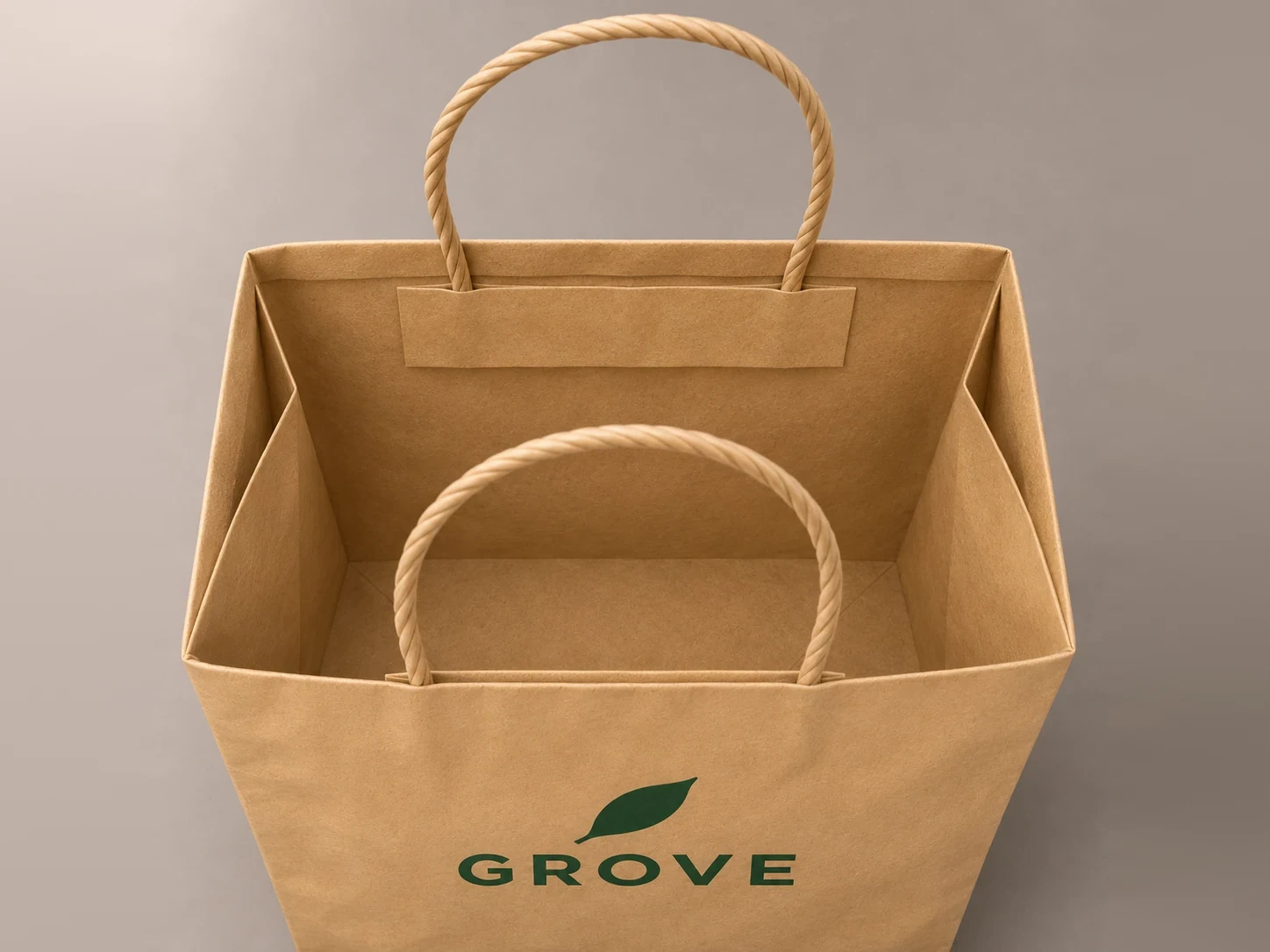
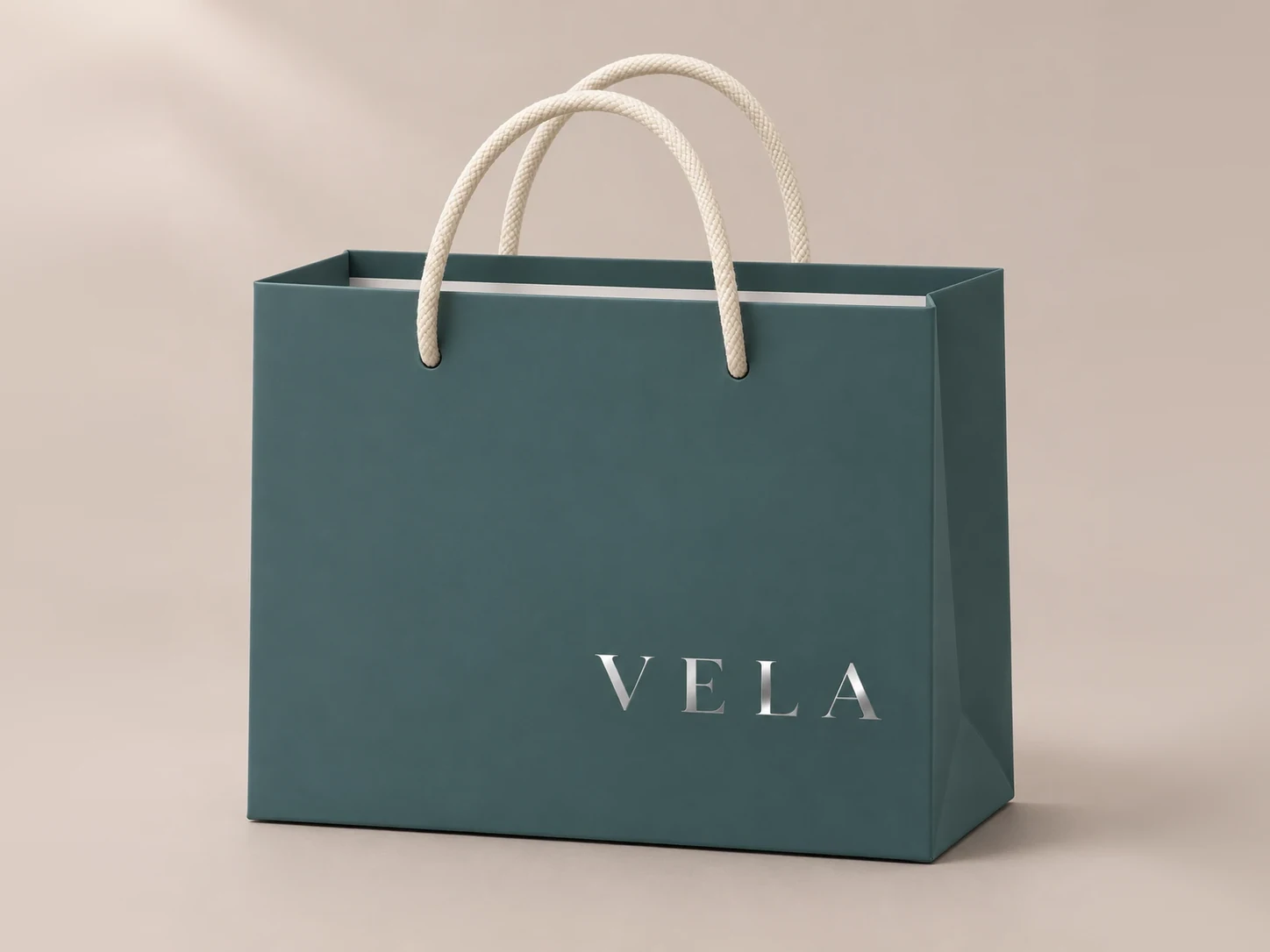
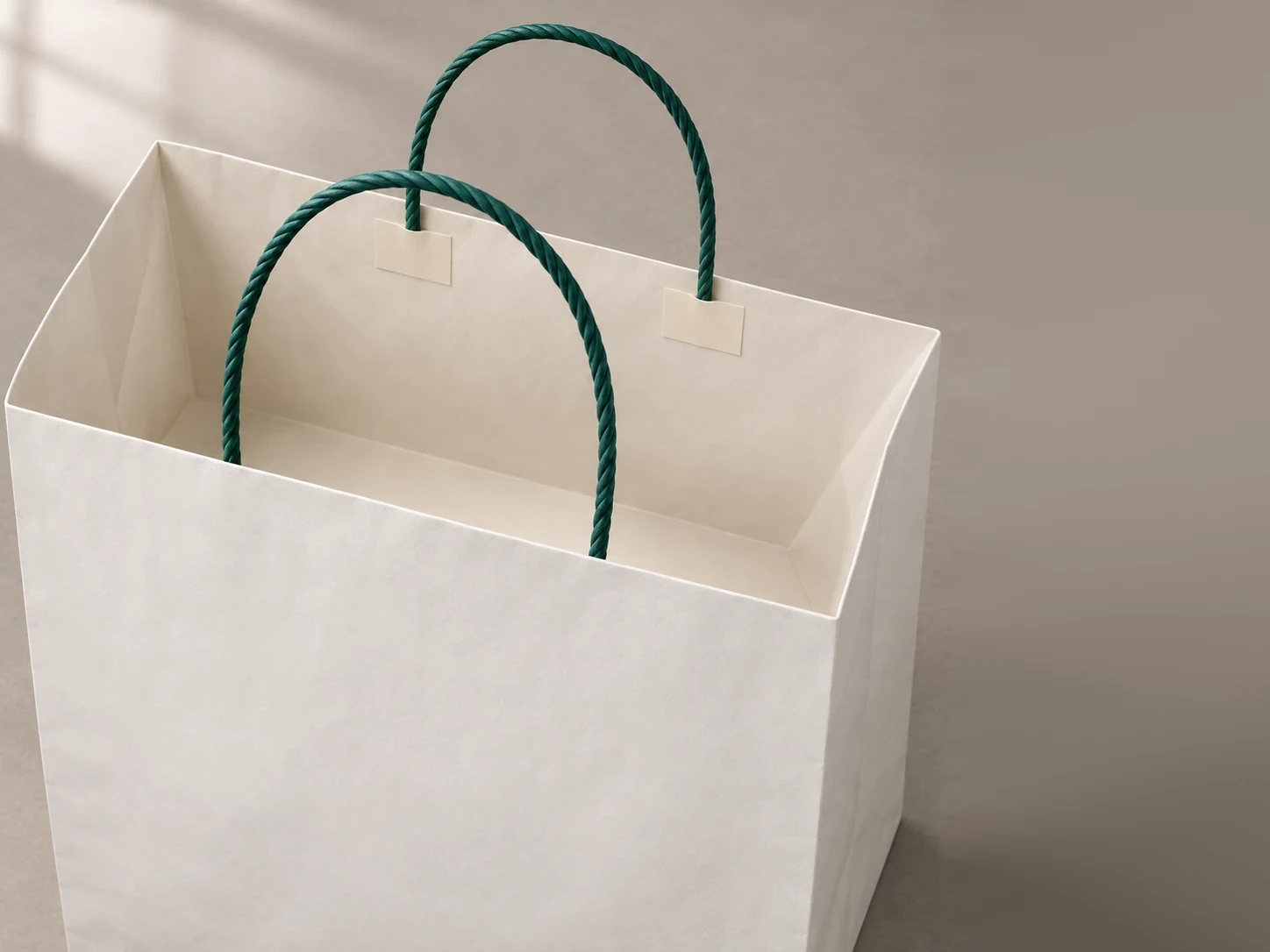
A paper Eurotote pairs a turned top with attached handles and a defined base. For a boutique order, compare the paper surface and handle on the filled bag before choosing matte lamination or another finish.
Construction
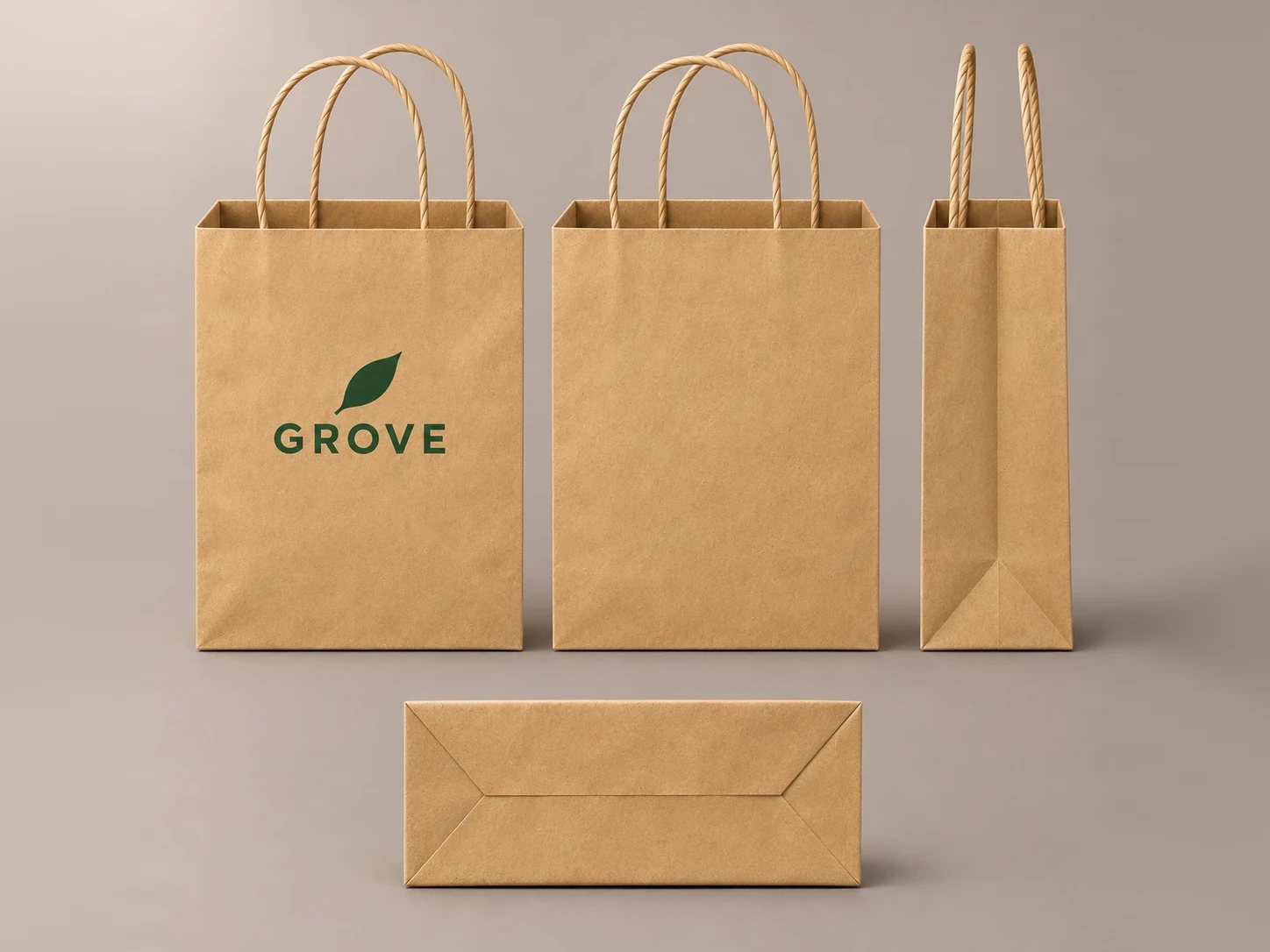
Gusseted paper carrier with a turned top and attached handles.
Artwork at the rim
Place the logo on a drawing of the finished front. The turned top and handle attachment occupy part of the printable face.
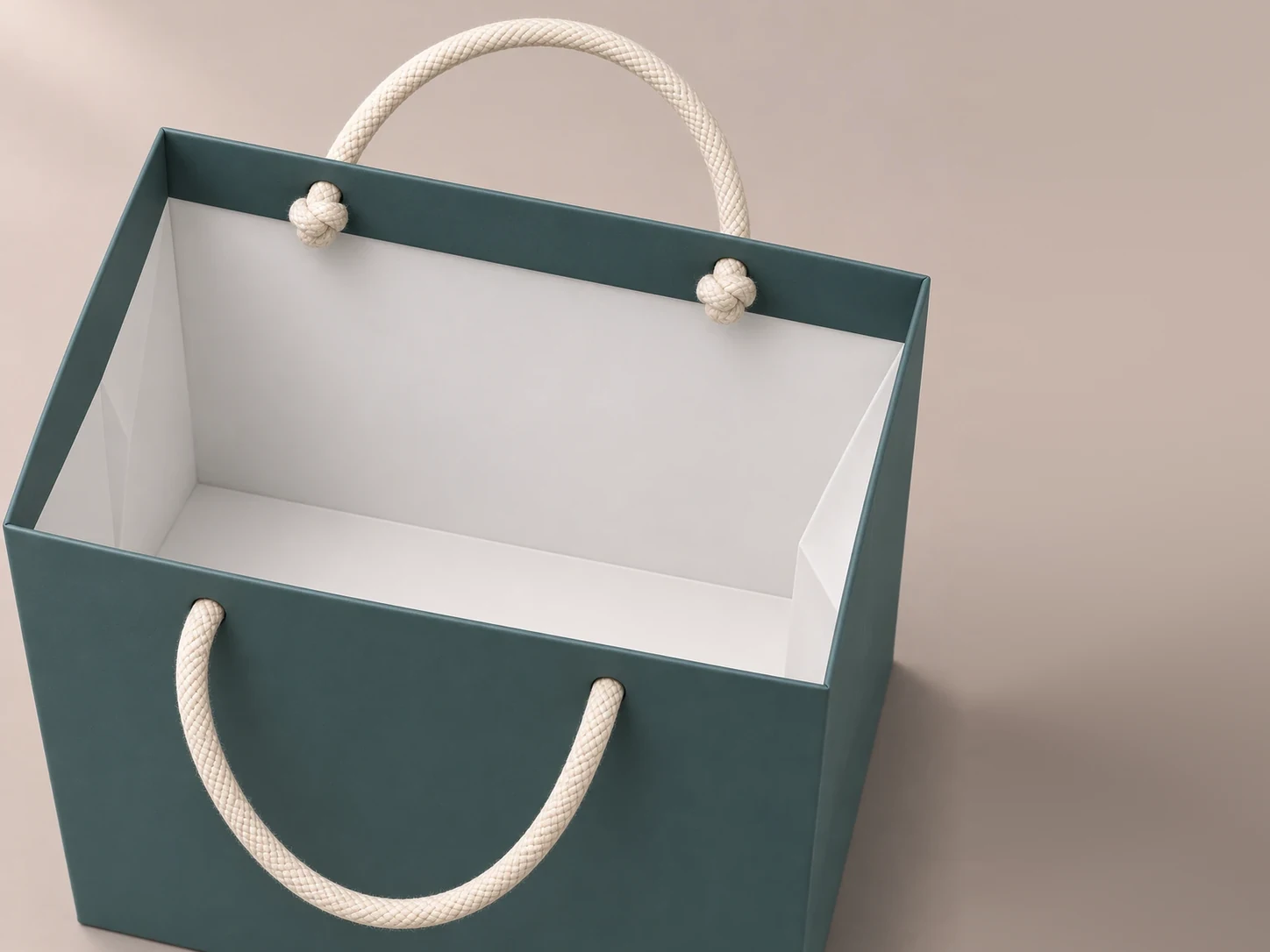
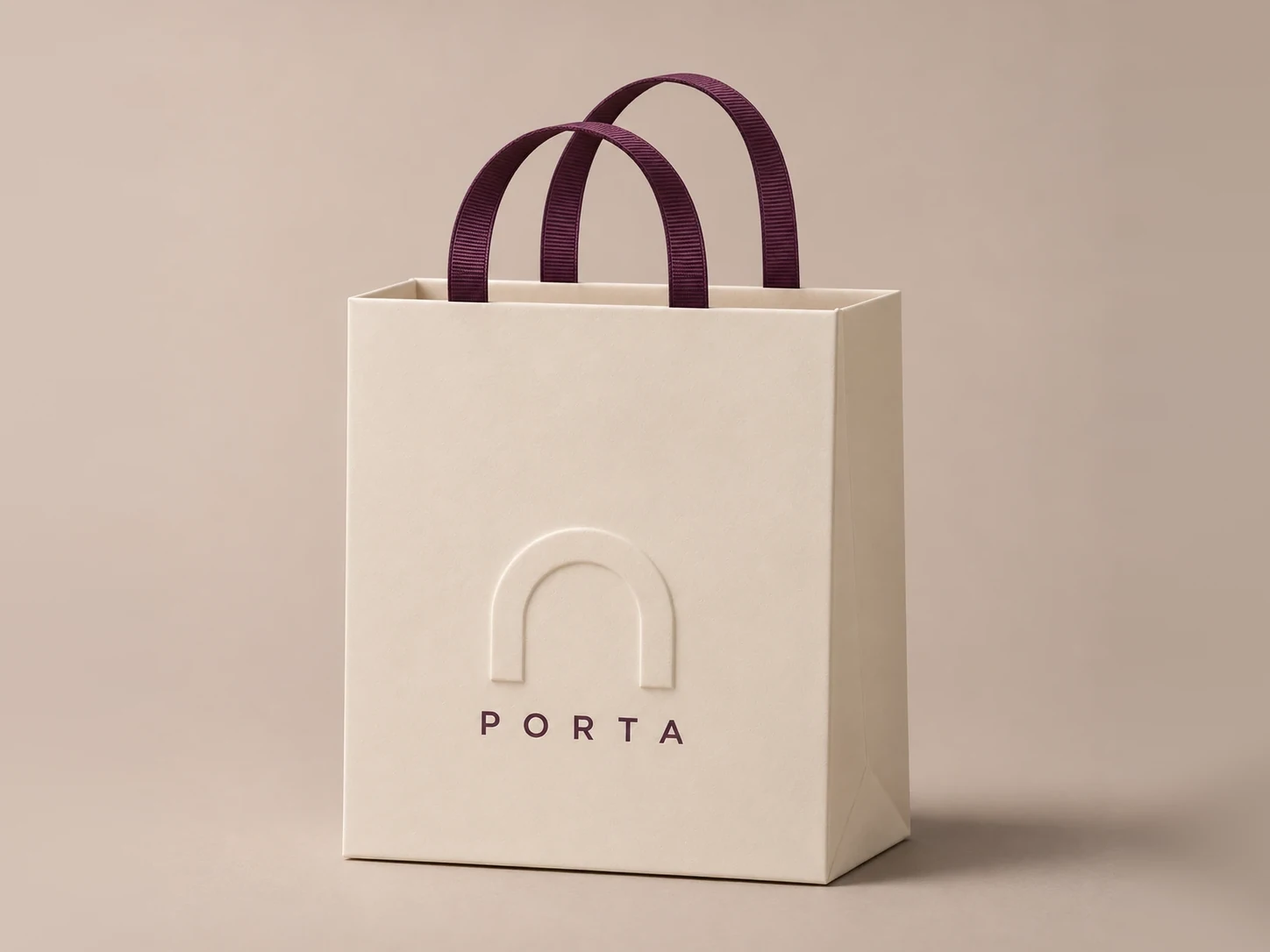
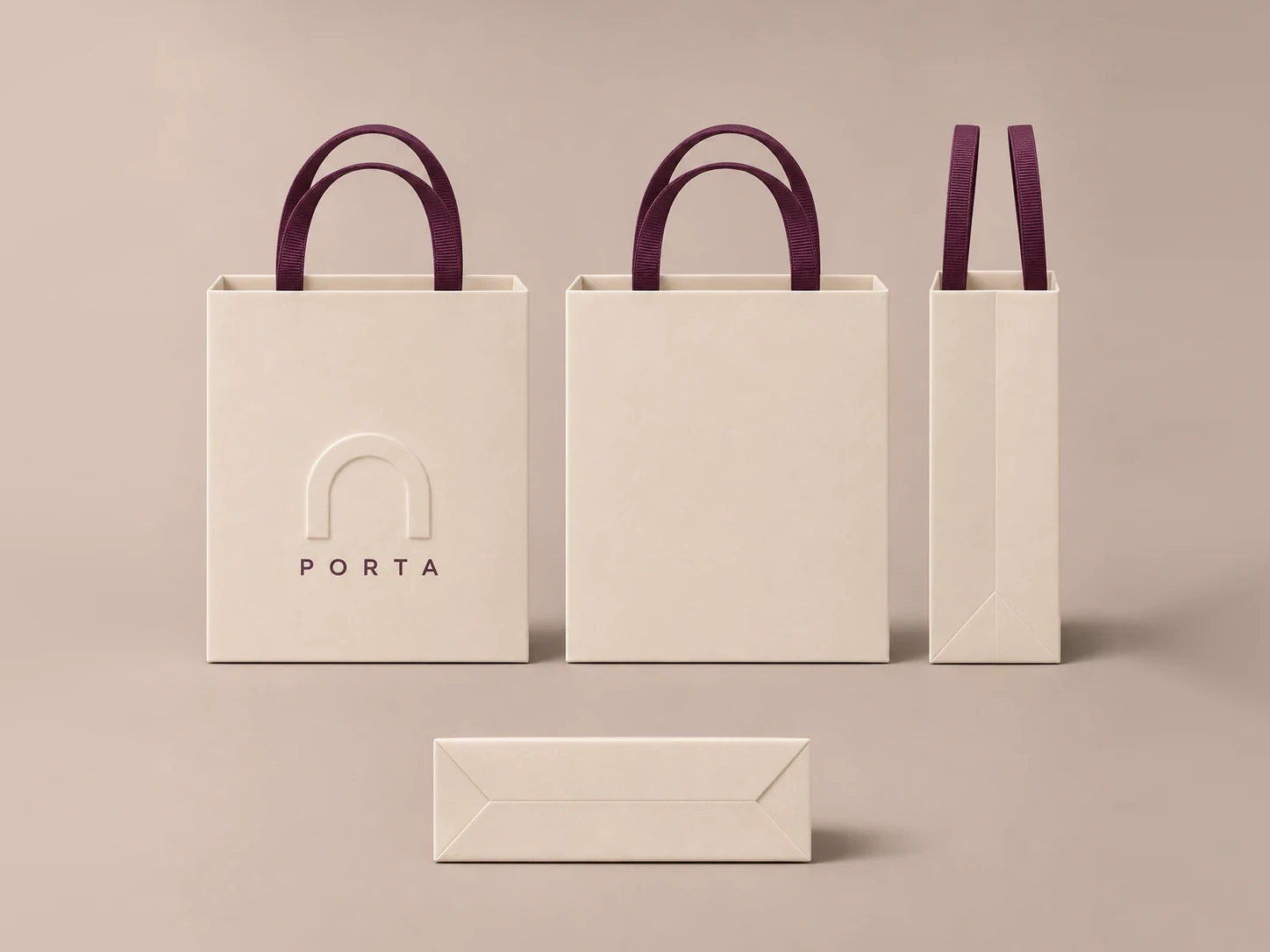
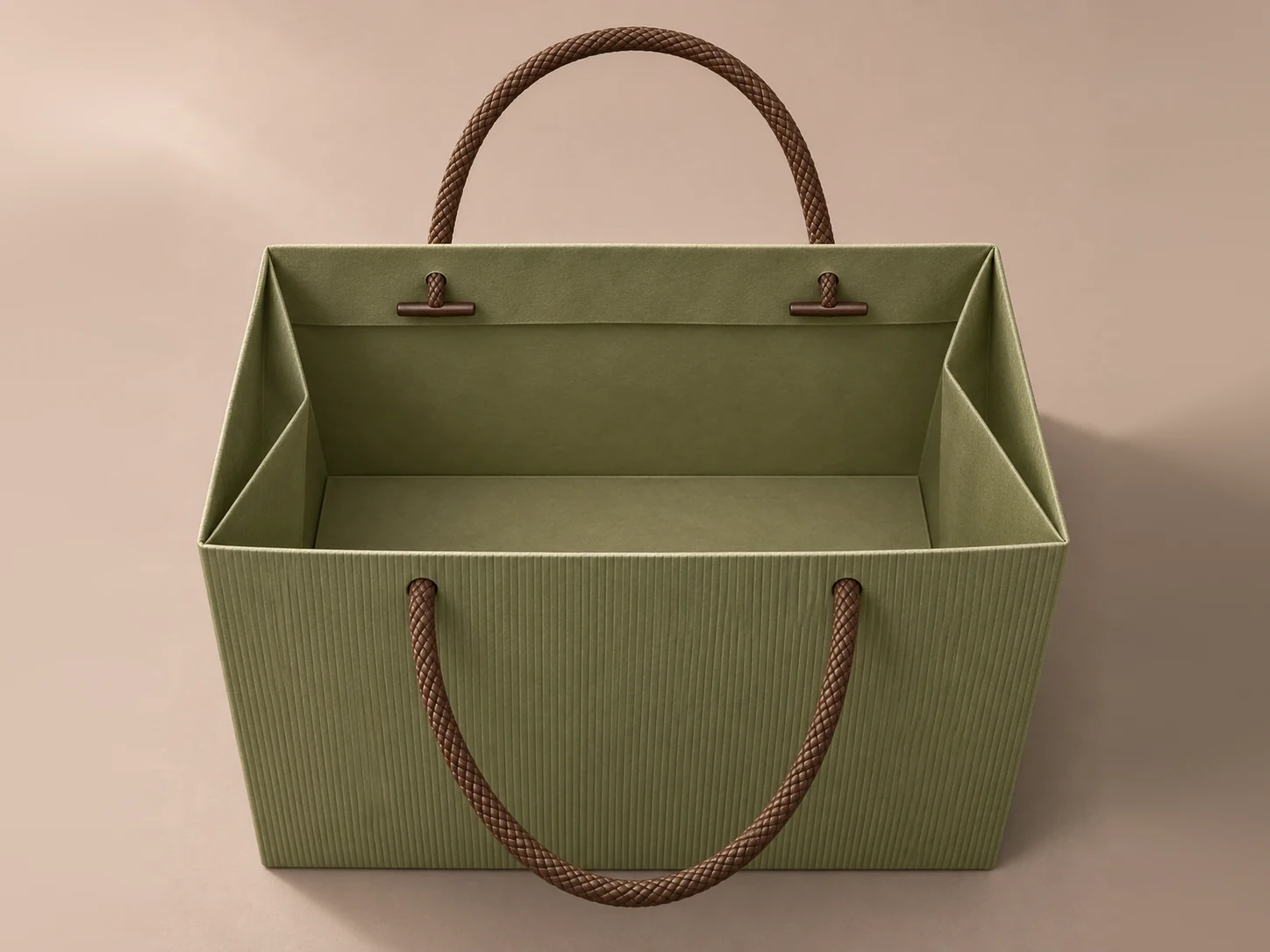
A ribbon handle lies flat against this paper shopping bag when it is set down. Specify the ribbon width, color and drop alongside the bag height so the grip suits the filled bag.
Construction
Gusseted paper bag with separate ribbon handles.
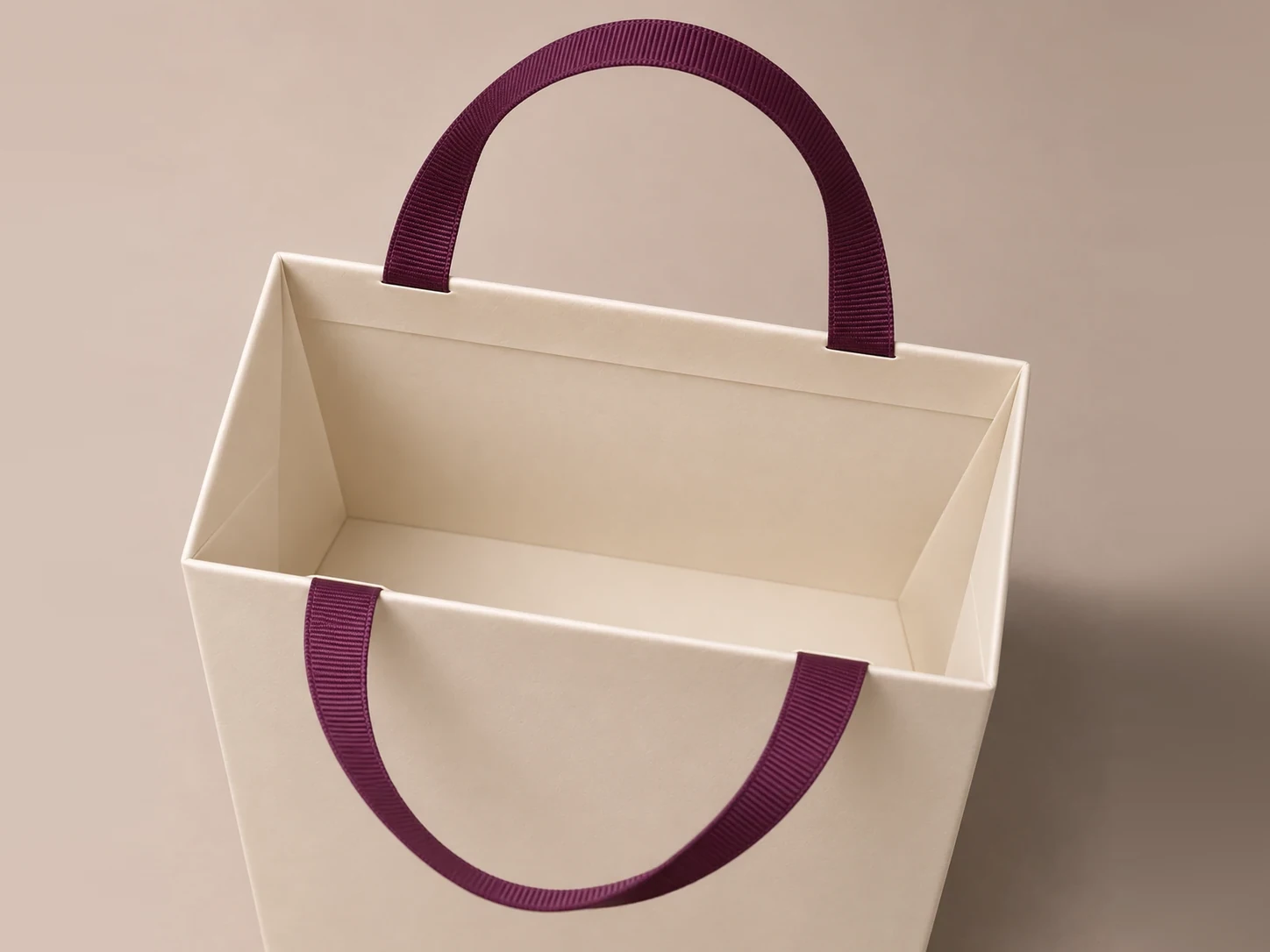
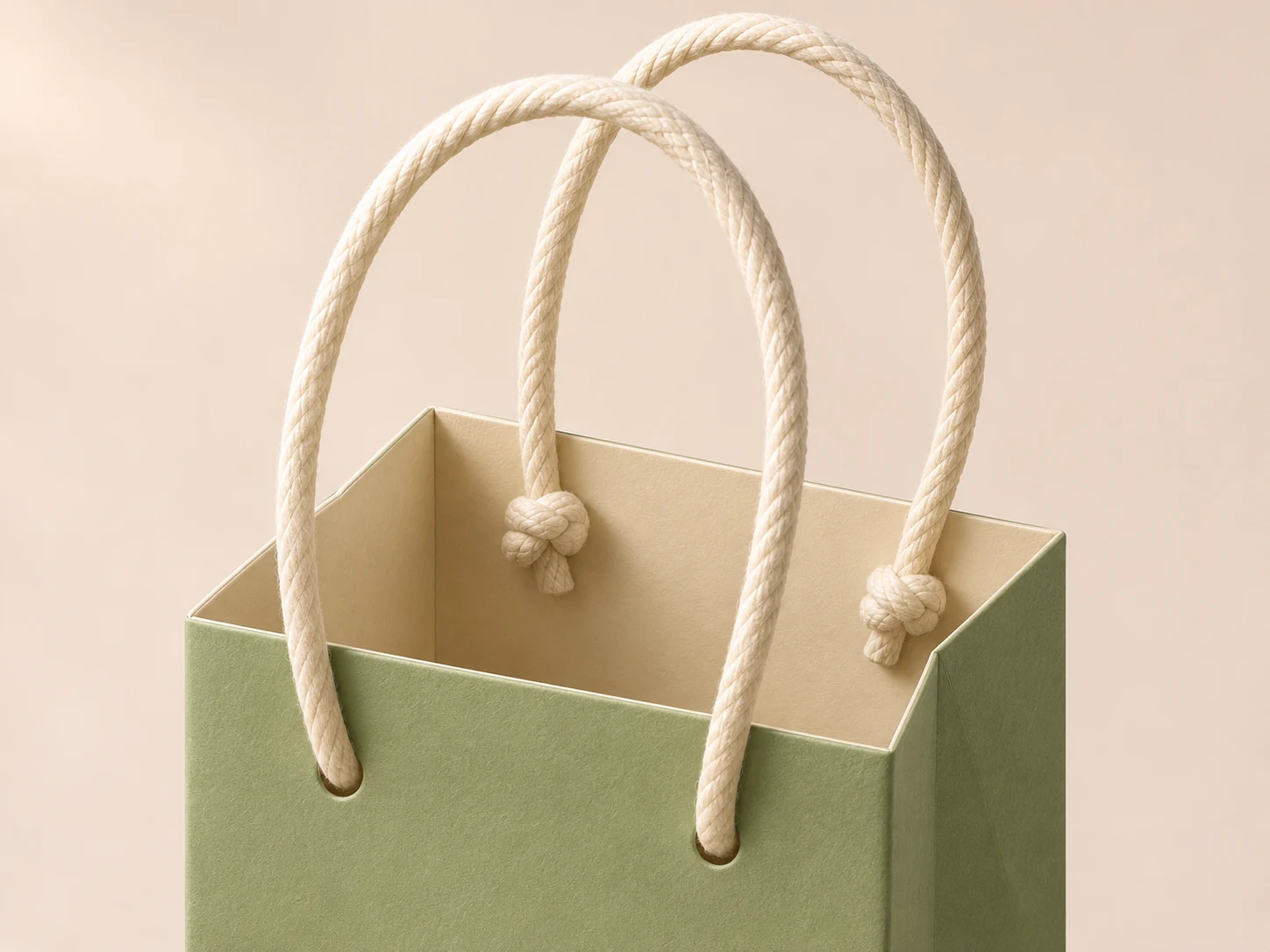
Handle drop
Measure from the finished top edge to the inside of the raised loop. Identify whether the customer needs a hand grip or more clearance.
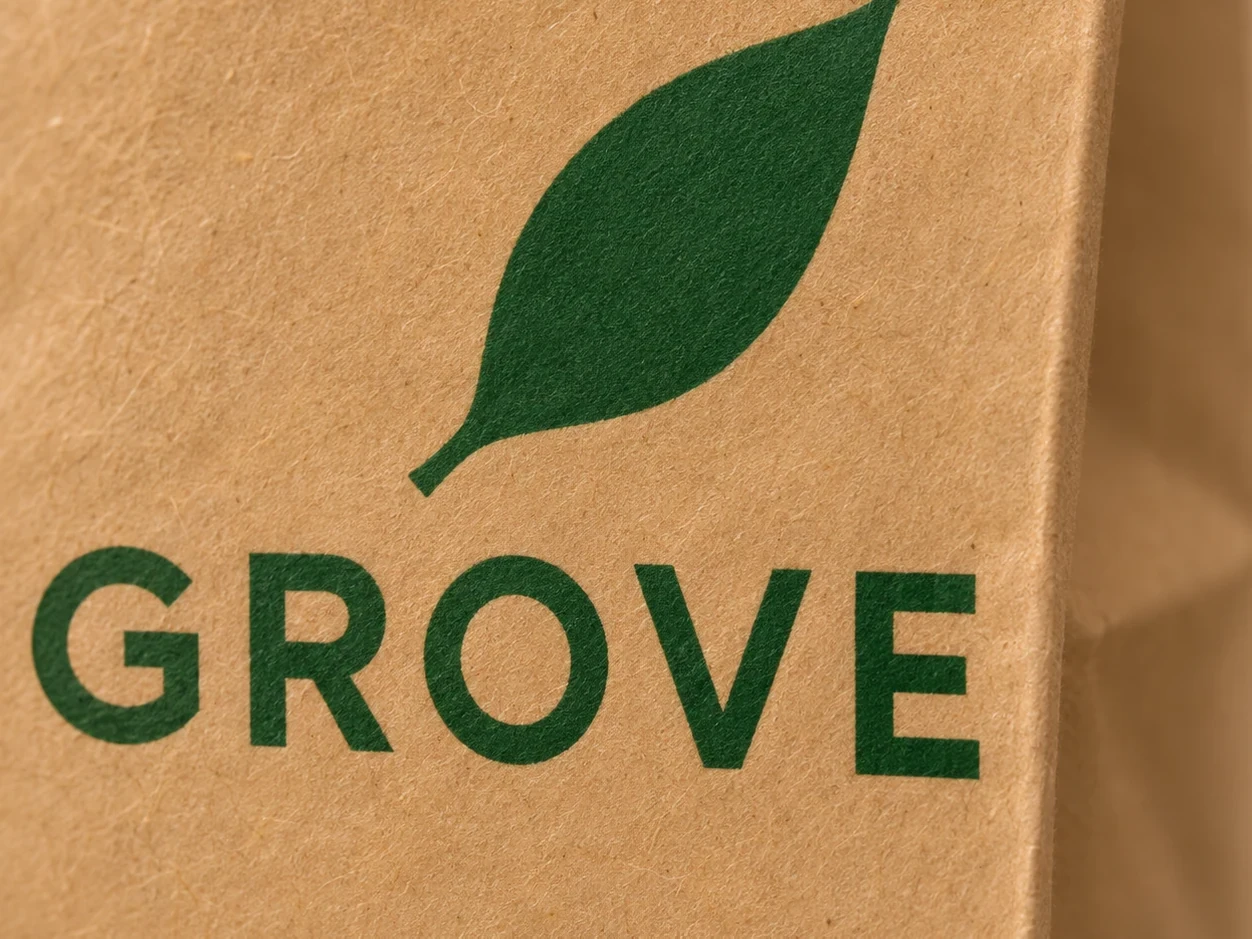
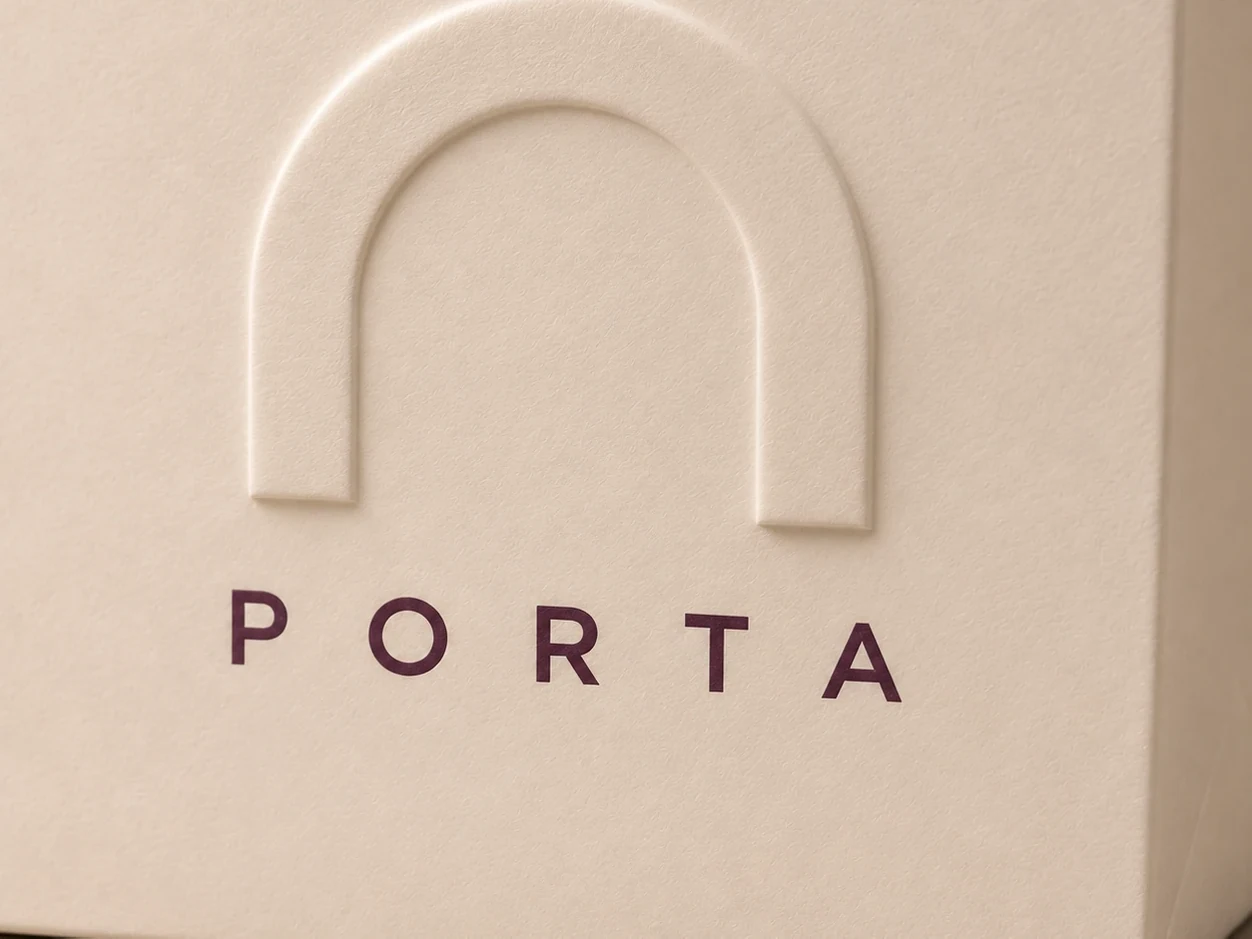
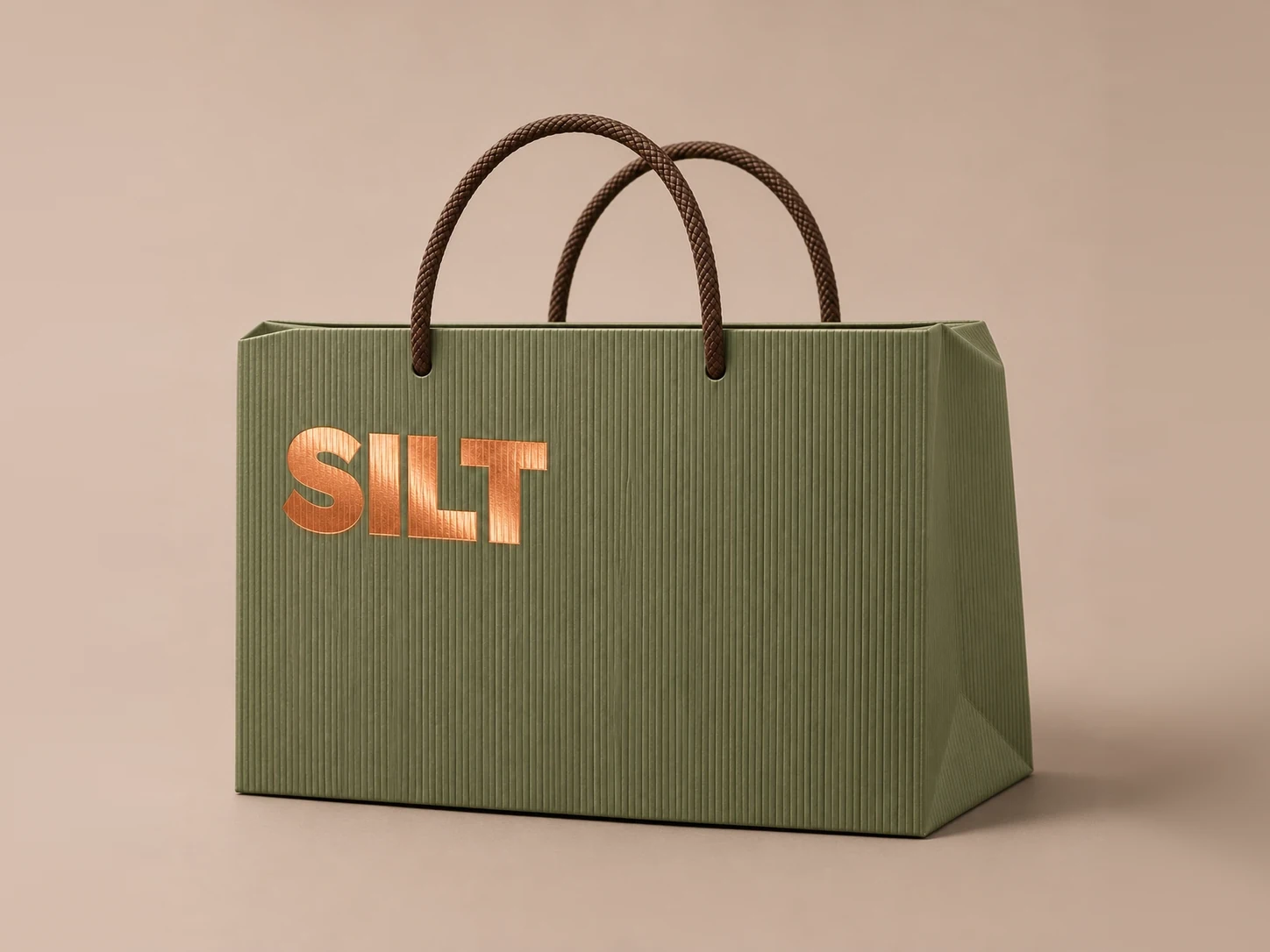
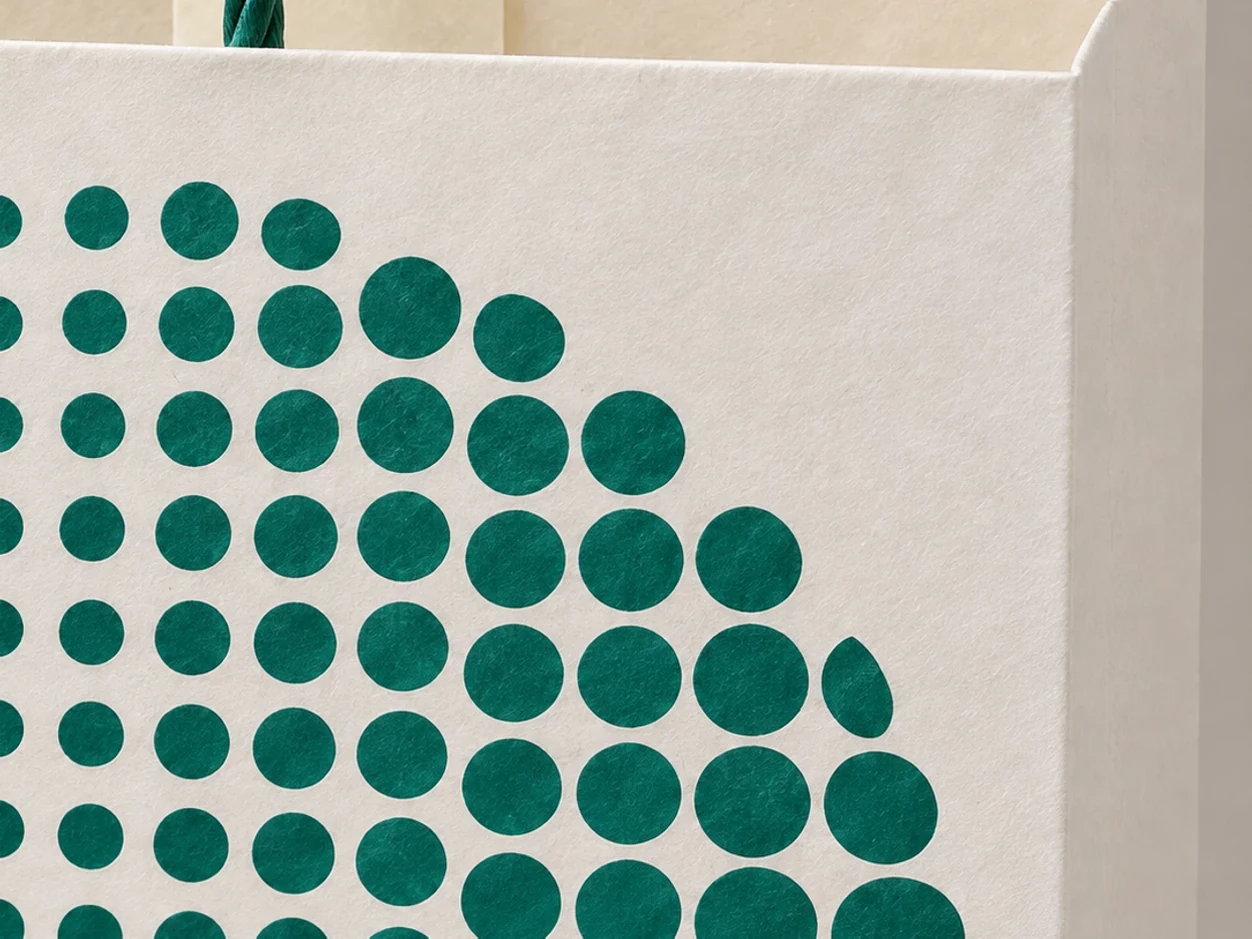
For a textured paper shopping bag, specify how the surface should feel as well as how it should look. Send a swatch to establish whether that texture comes from the sheet or a separate embossing step.
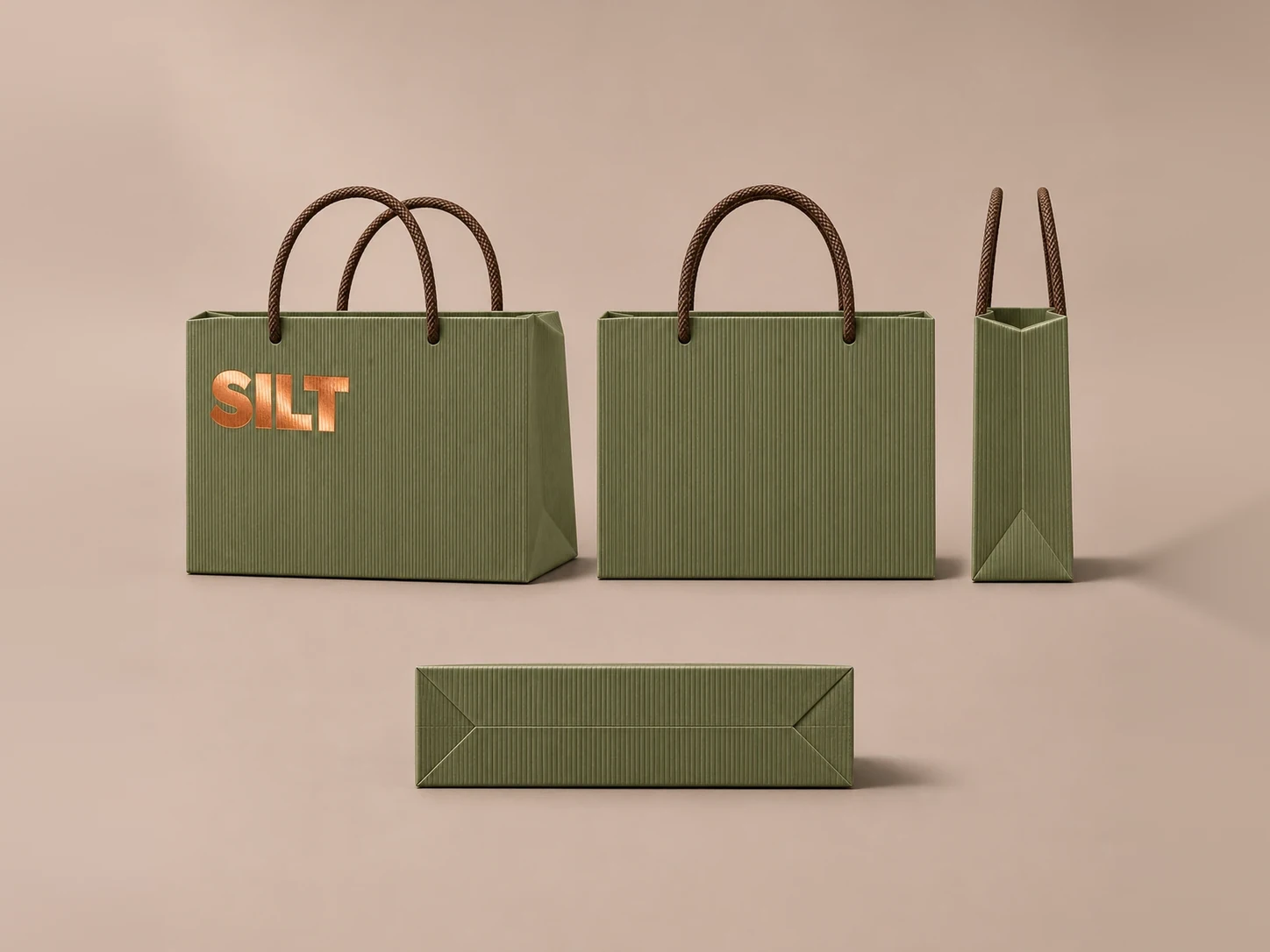
Construction
Gusseted shopping bag made with textured face paper and attached handles.
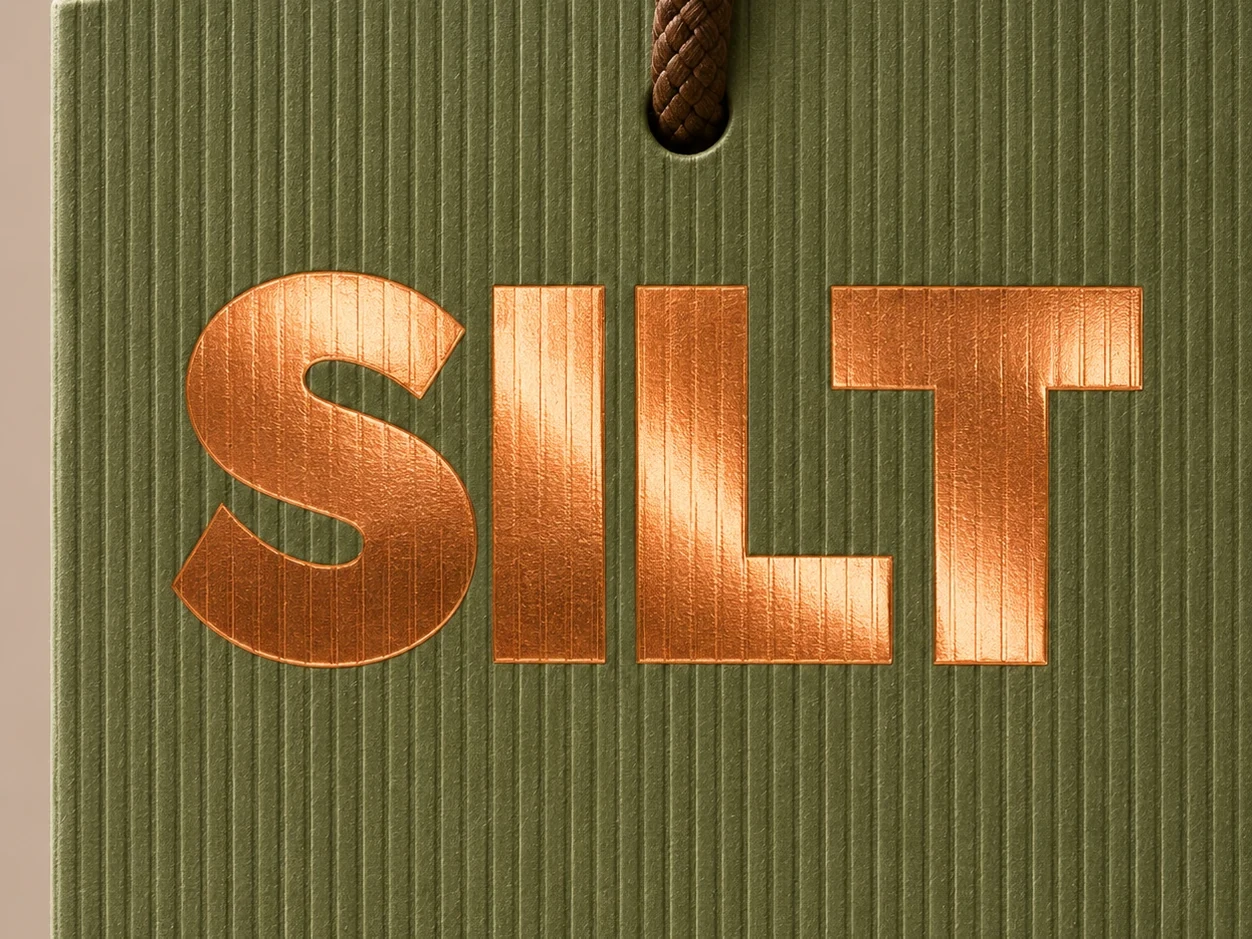
Texture and ink
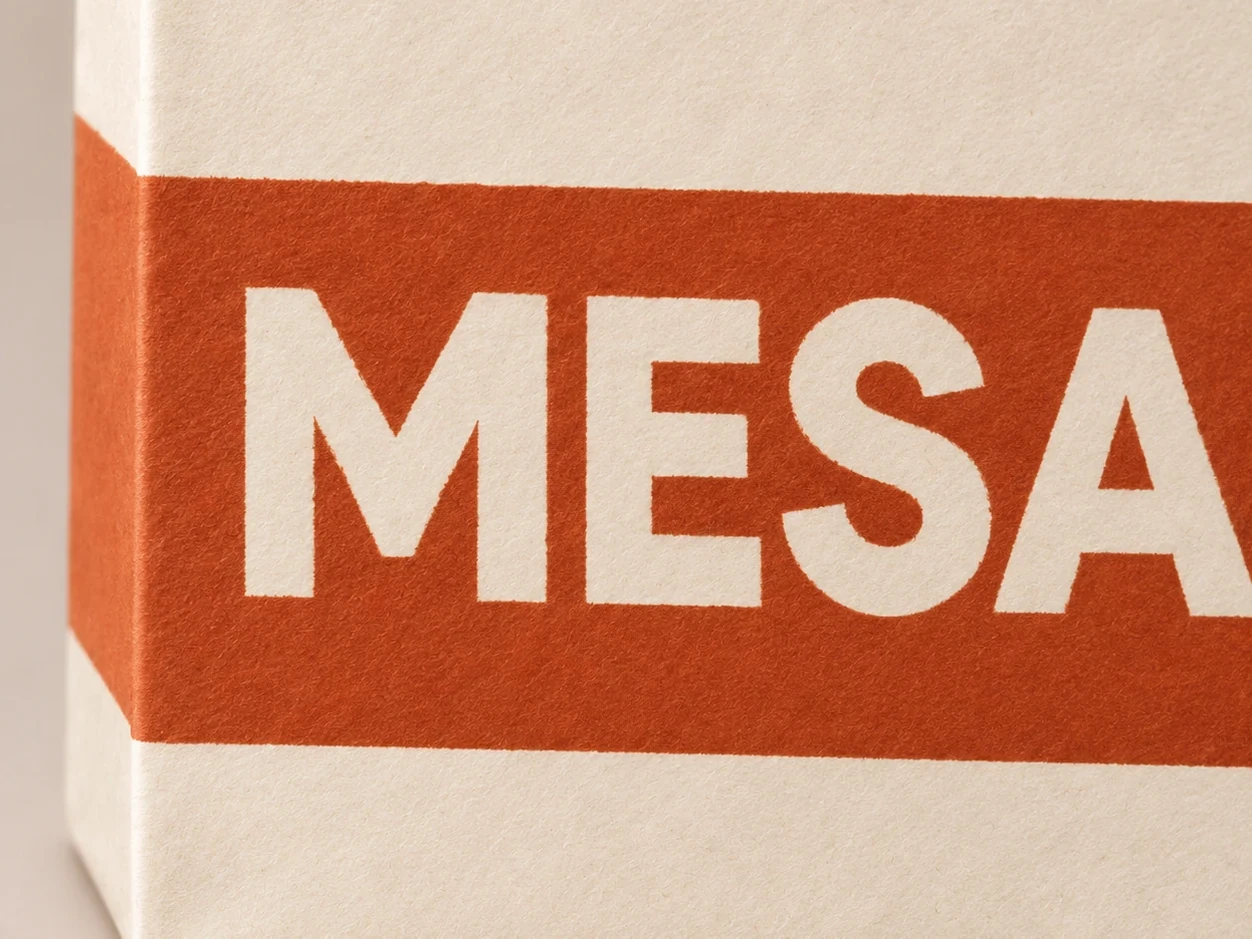
Specify the direction of any visible grain and test a fine detail from the artwork on the proposed stock. A printed texture can reproduce a pattern without reproducing its feel.
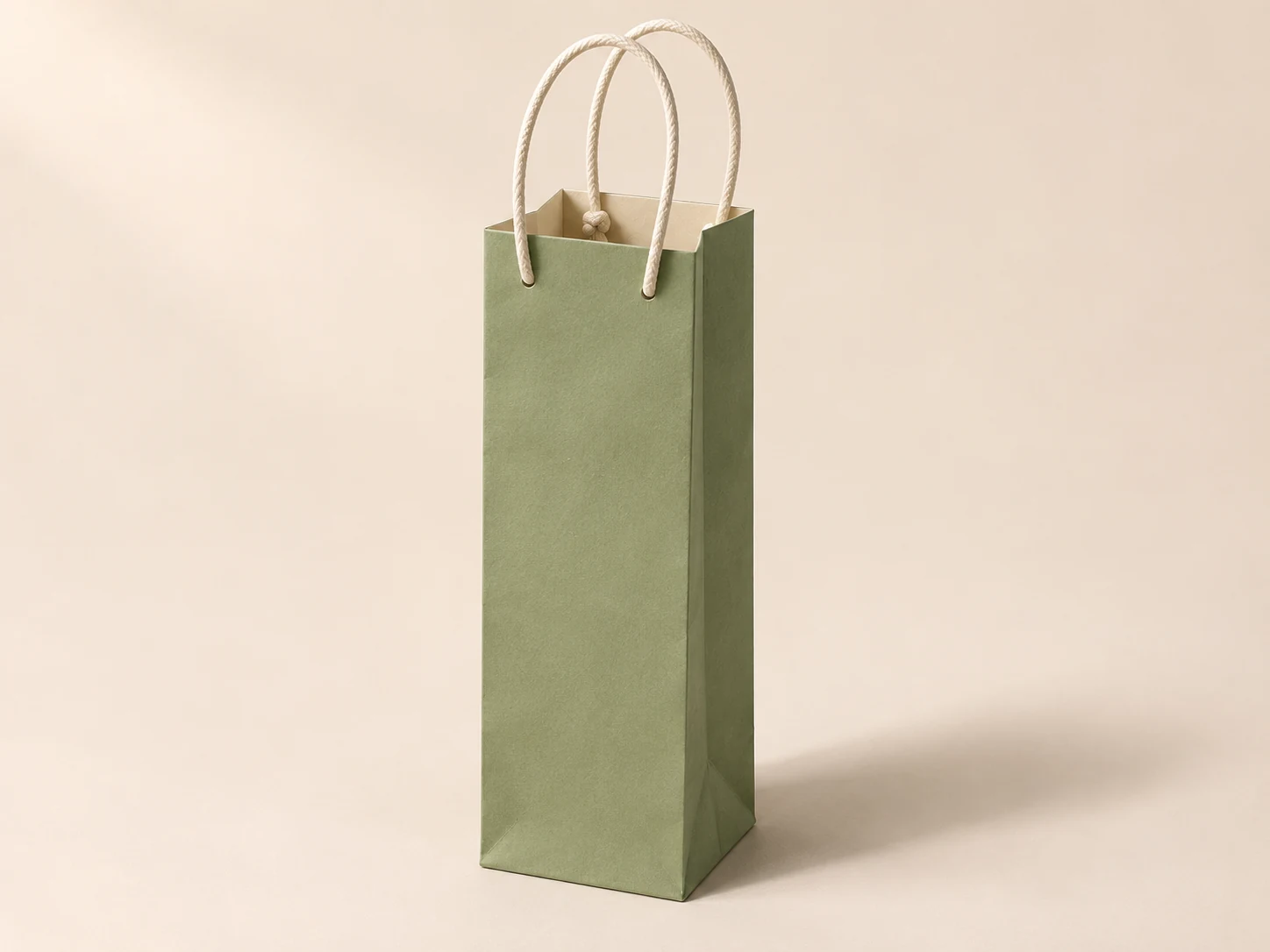
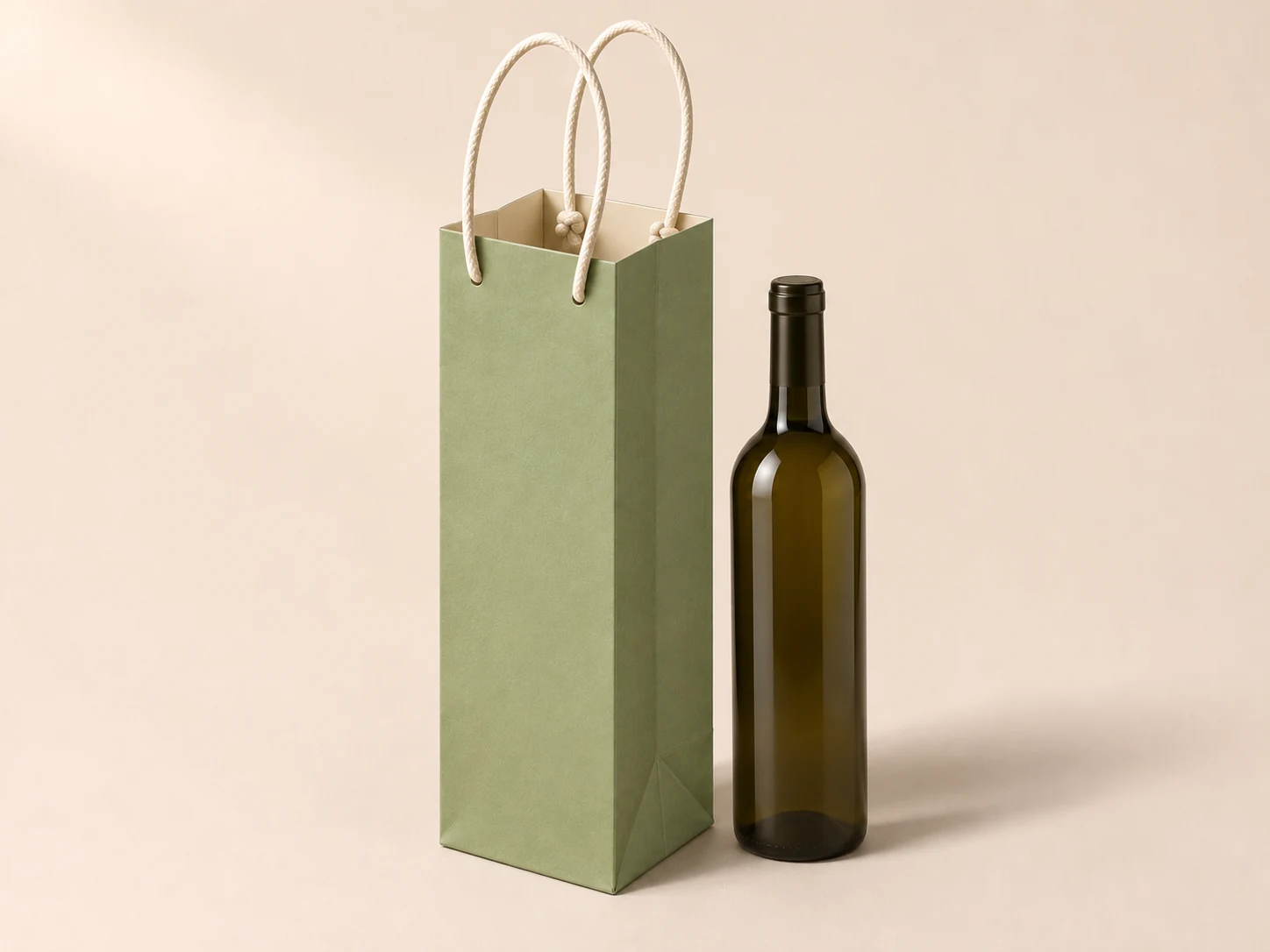
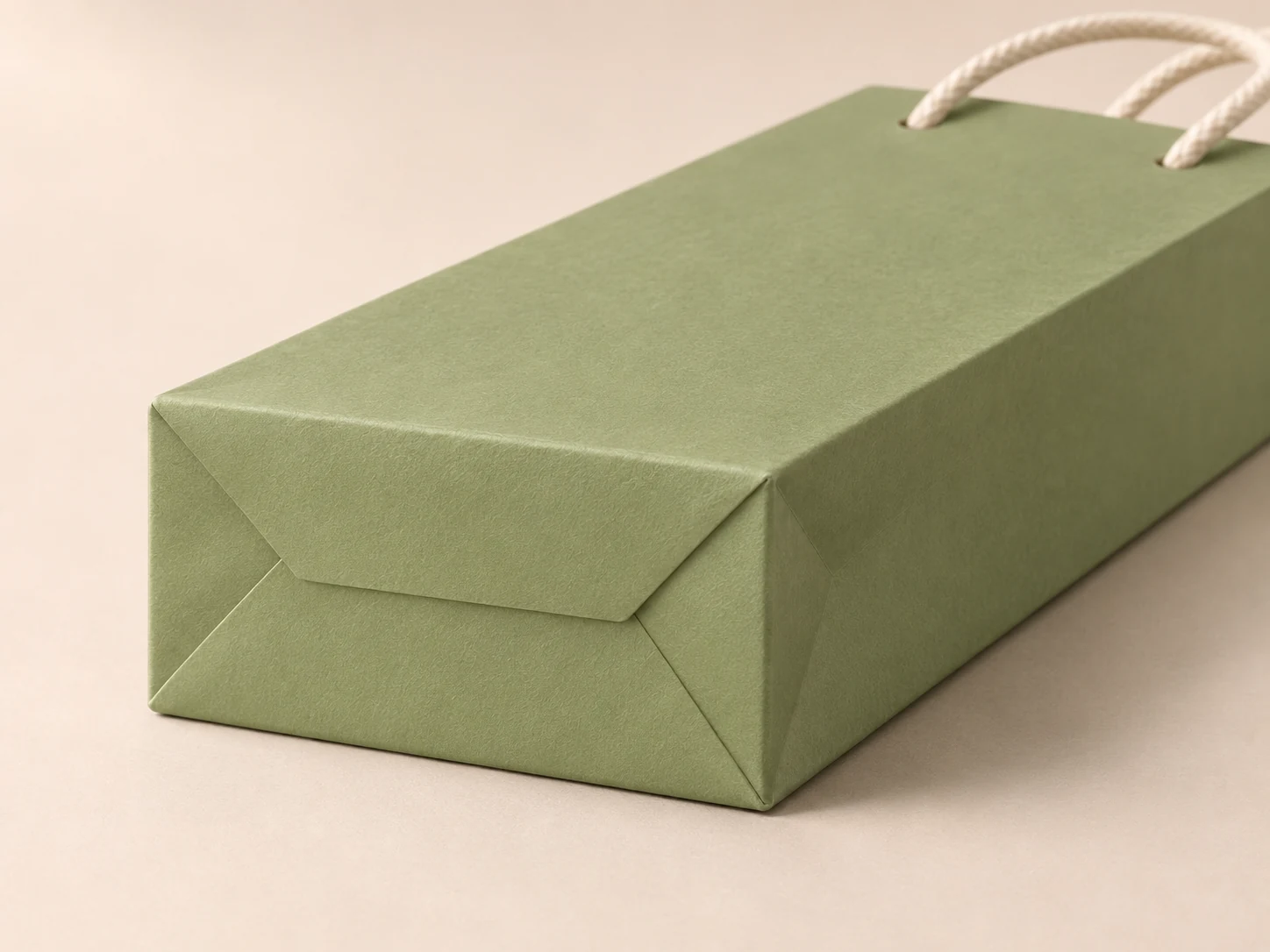
Custom printed paper wine bags need a base sized to the bottle diameter and enough height for the neck to clear the handles. The concept shows one bottle; a two-bottle order needs its own layout and fit check.
Construction
Bottle-height paper bag with side gussets, a folded base and attached handles.
Bottle assortments
For several stores or wine labels, list quantities by bottle size and bag artwork. This concept needs a loaded sample to confirm the bottom and handle attachment for the actual filled bottle weight.
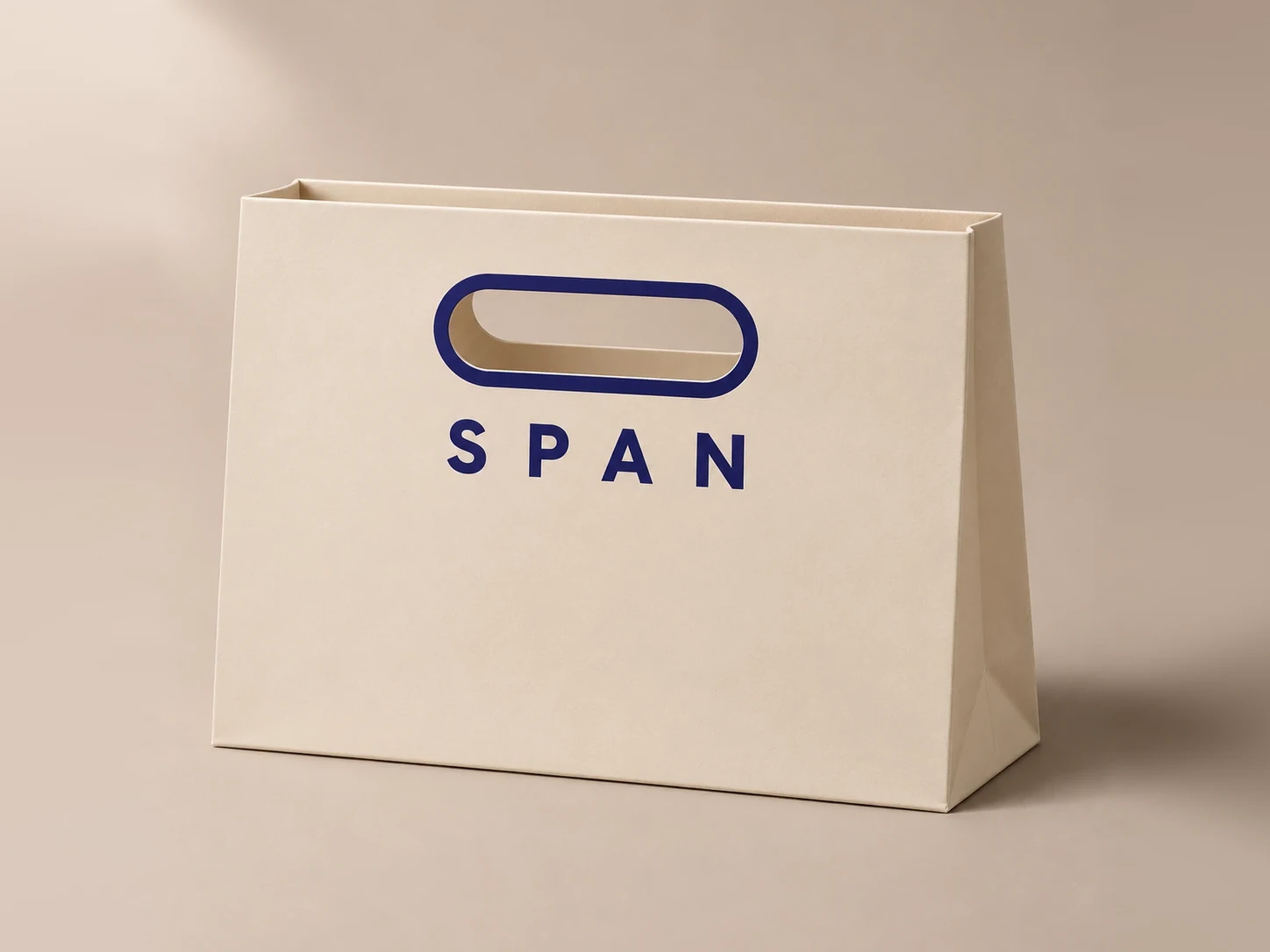
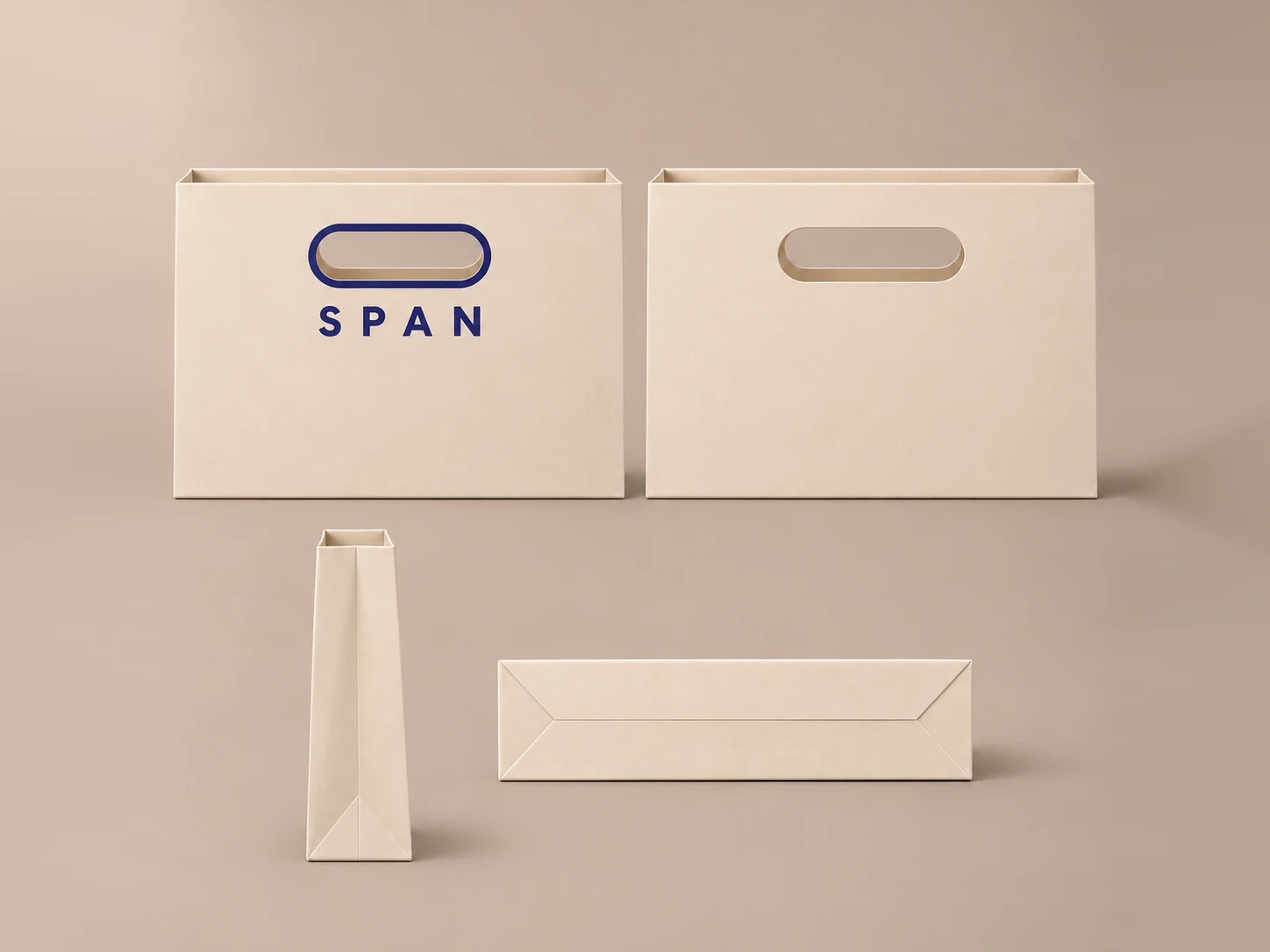
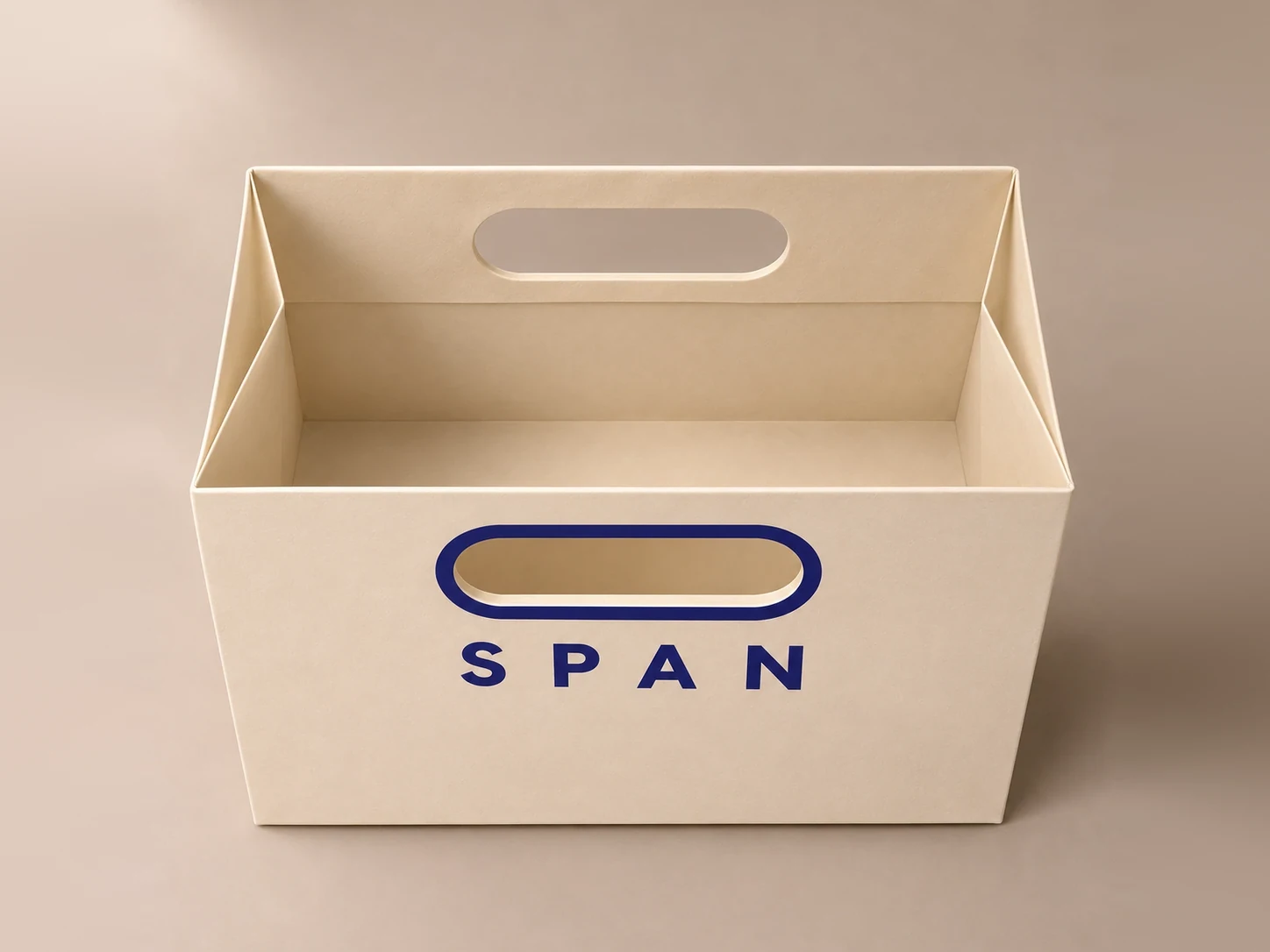
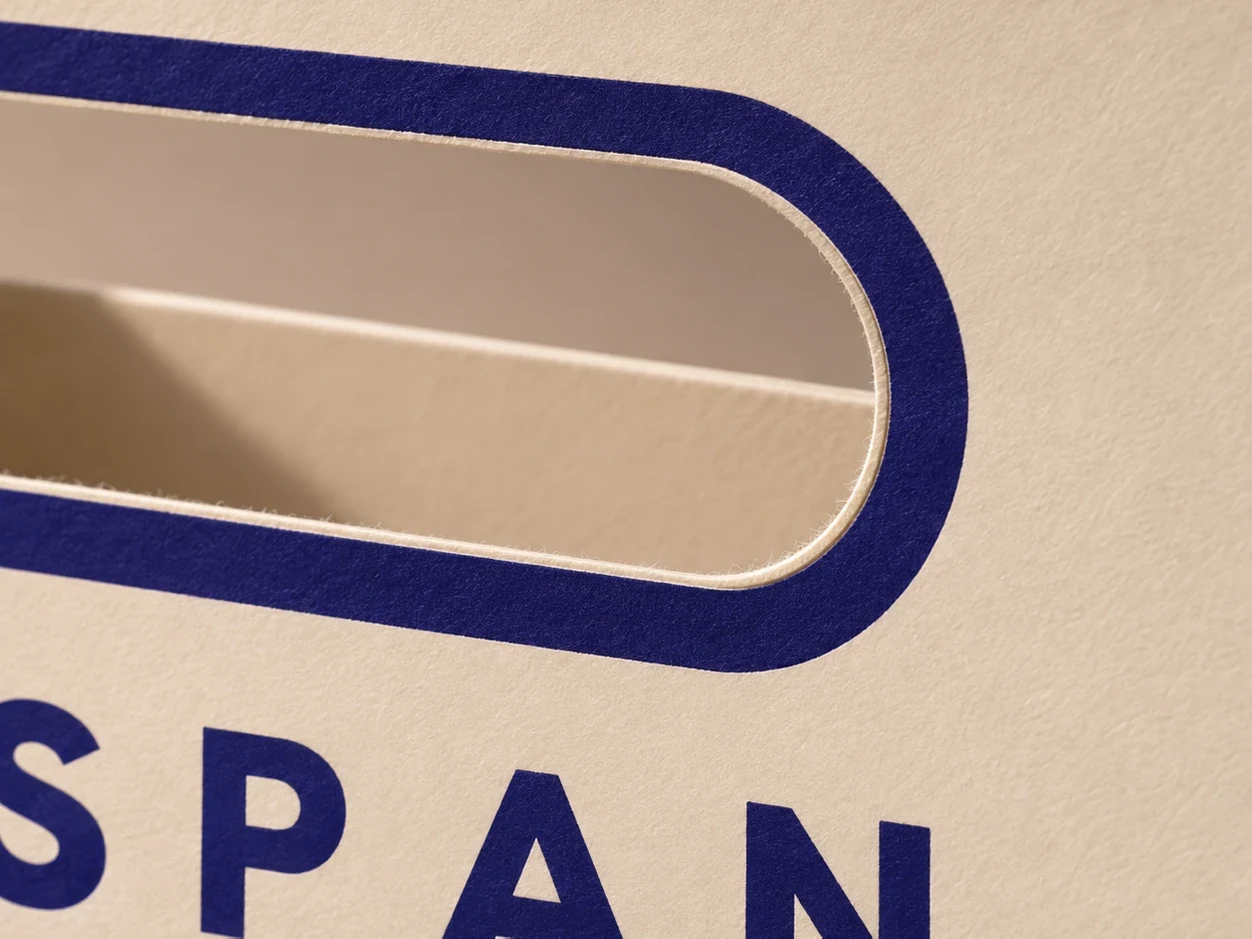
The hand opening is cut directly into the upper paper panels. It saves space above the rim and needs clear room between the grip and the packed contents.
Construction
Gusseted paper bag with aligned grip openings cut into the upper panels.
Planning the format
Send the packed height and weight, base size and preferred grip position.
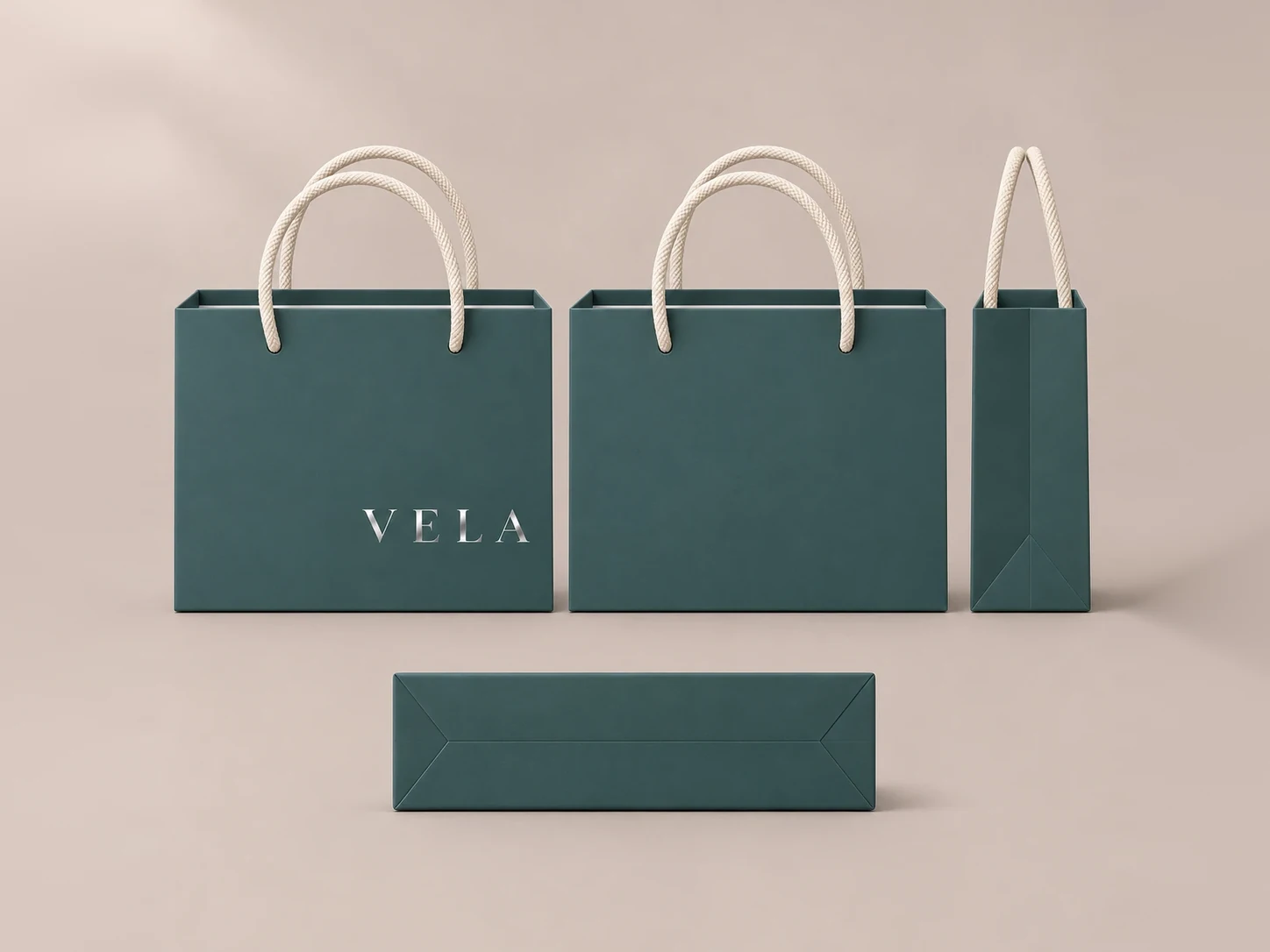
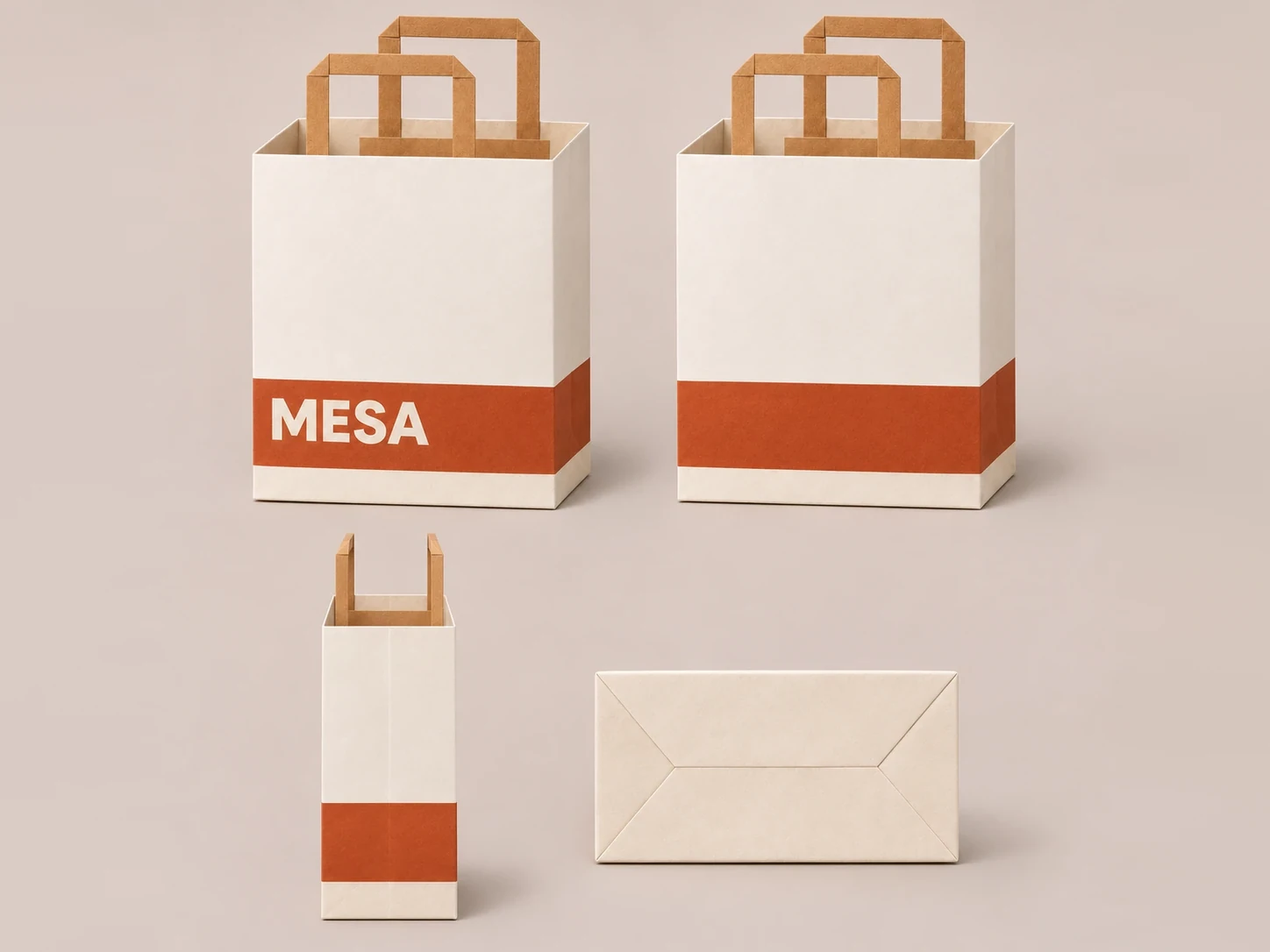
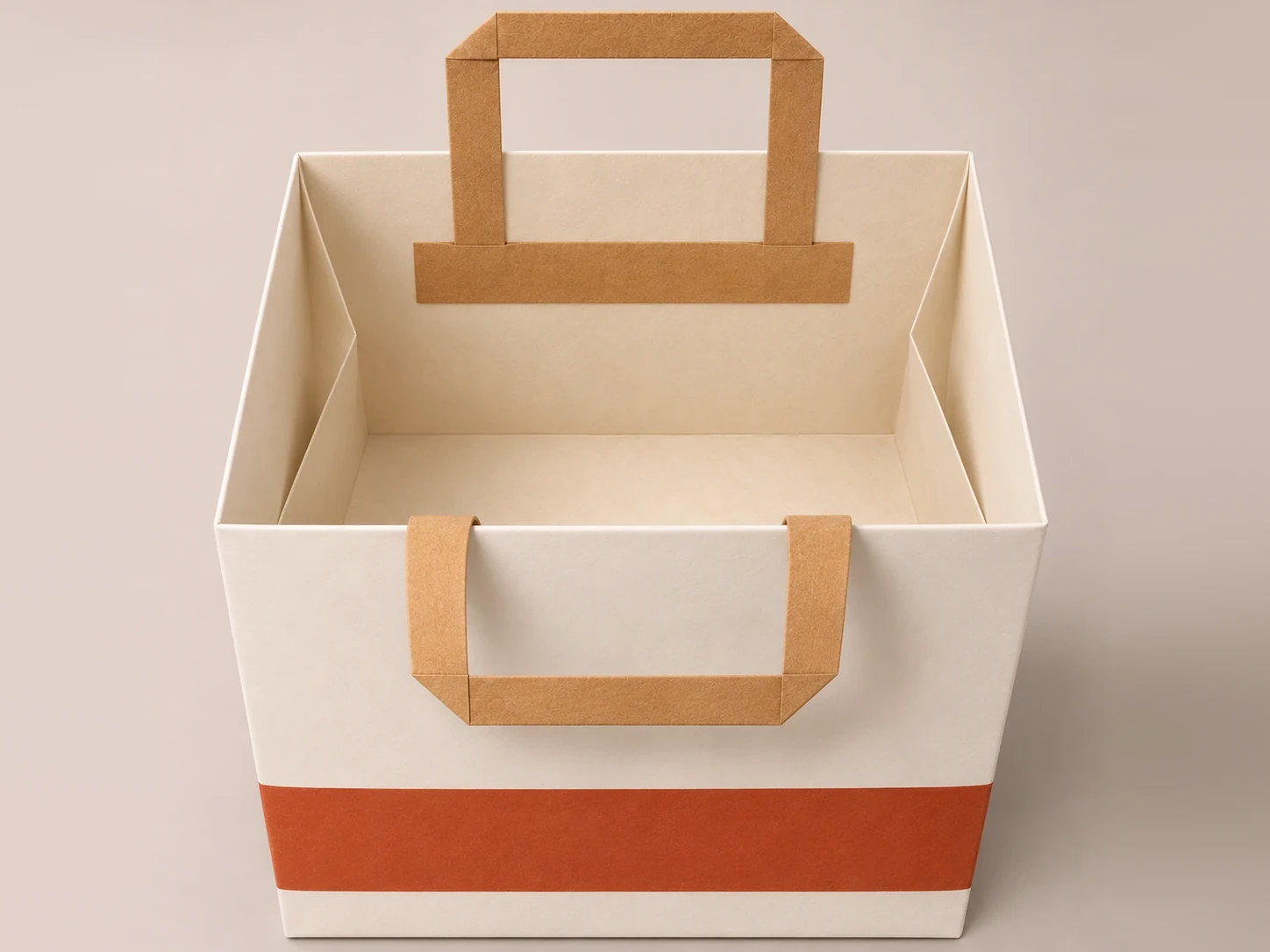
Flat paper handles and a folded base suit this checkout carrier. For a wholesale order of retail paper bags, size the gusset to the box or purchase that sits on the bottom.
Construction
Gusseted retail carrier with a folded base and flat paper handles in the illustrated format.
Checkout fit
Pack a typical order in its sales packaging. Check whether staff can load it through the opening and whether the handles meet above it.
An event shopping bag has to carry the actual giveaway as well as display the campaign artwork. If one run covers several events, list common artwork separately from the designs and quantities for each location.
Construction
Printed paper carrier with a folded base and gusset sized to the event contents.
Distribution
Specify how many bags to pack per venue and which artwork belongs to each delivery. Include a sample of the largest item in the kit.
Artwork and quantity per event · Print on front, back or gussets · Handle choice and packing instructions
Construction & Finishing
Bag size & grip
Use the packed item to establish the base dimensions and carrying weight. Compare a cut-out grip with an attached handle for the way the bag will be carried.
Artwork placement
Mark the logo on the finished front panel. Check its position against the folded top, handle attachments and side gussets.
Project Brief
Measure the packed purchase in carrying position and state width, gusset depth and height with units. For boxed merchandise, allow for the largest box entering through the opening. For bottles, include diameter, height and filled weight.
Send artwork for the front, back and any printed gussets. For a bulk order, list quantities by bag size, handle and design so the quote reflects the actual assortment.
Identify the stock color and whether the texture comes from the paper, an embossed pattern or the printed artwork. Check the finish and folds against a physical swatch.
What determines the handle attachment?
Provide the packed weight, preferred ribbon and how the bag will be carried. Review the joint and opening with the proposed materials.
Will a printed texture feel like the reference paper?
A printed pattern changes appearance. If touch matters, submit the actual stock or a relief sample and check the design under angled light.
Can one design be used for two bottles?
A second bottle changes the footprint, clearance and load at the handle. Specify both bottles and review the filled sample before agreeing the bag construction.
What does handle drop measure?
It is the distance from the finished top edge to the inside of the raised handle. Specify the drop separately from the bag height, and say whether the bag is meant to be carried in the hand or over the arm.
Will a matte surface change how my logo prints?
Matte paper, textured stock and a matte film over print give different results. Identify the surface you want and use the same logo artwork to compare proofs, especially for fine lines or dark fills.
Can a paper bag be specified by weight alone?
No. Boxed shoes and a narrow bottle can weigh the same but load the bottom and handles differently. Send the item shape, weight and carrying position, then assess the proposed construction on a filled sample.