Category recognition
Can the shopper distinguish the size or intended use at a glance?
Separate species, size and accessory type in the front-panel layout.
Plan retail boxes for grooming products, pet accessories and already sealed treat packs. Select the outer pack around the item that sets the kit width and the label shoppers need to see.
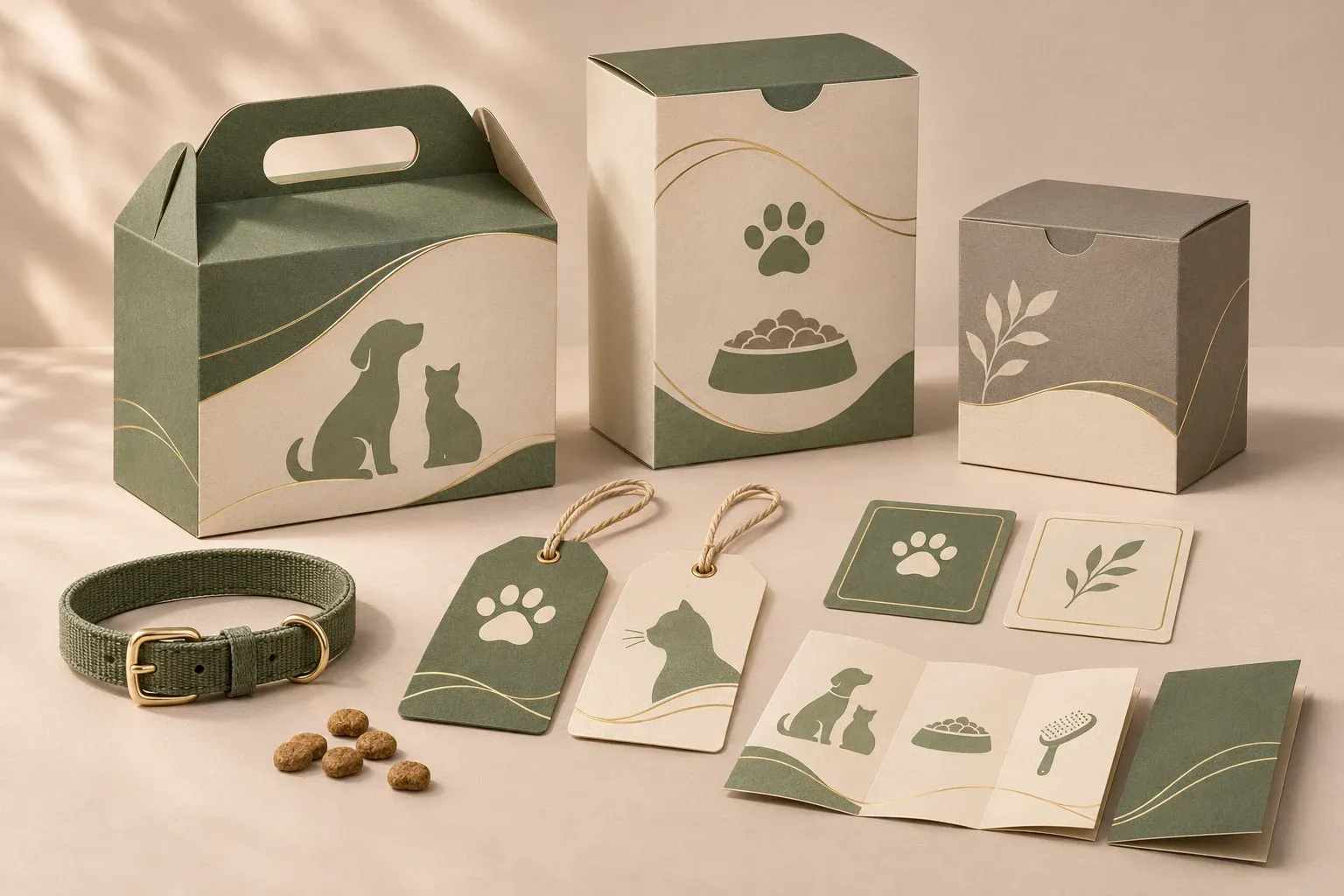
Can the shopper distinguish the size or intended use at a glance?
Separate species, size and accessory type in the front-panel layout.
Will a collar or grooming tool sit neatly inside the pack?
Measure the buckle, handle and other projections in the intended display position.
Which guidance stays with the item after purchase?
Keep the size on the label and provide the buyer's approved fitting or cleaning directions on a card.
What changes when several accessories ship together?
Check the full order footprint and position metal fittings away from printed surfaces.
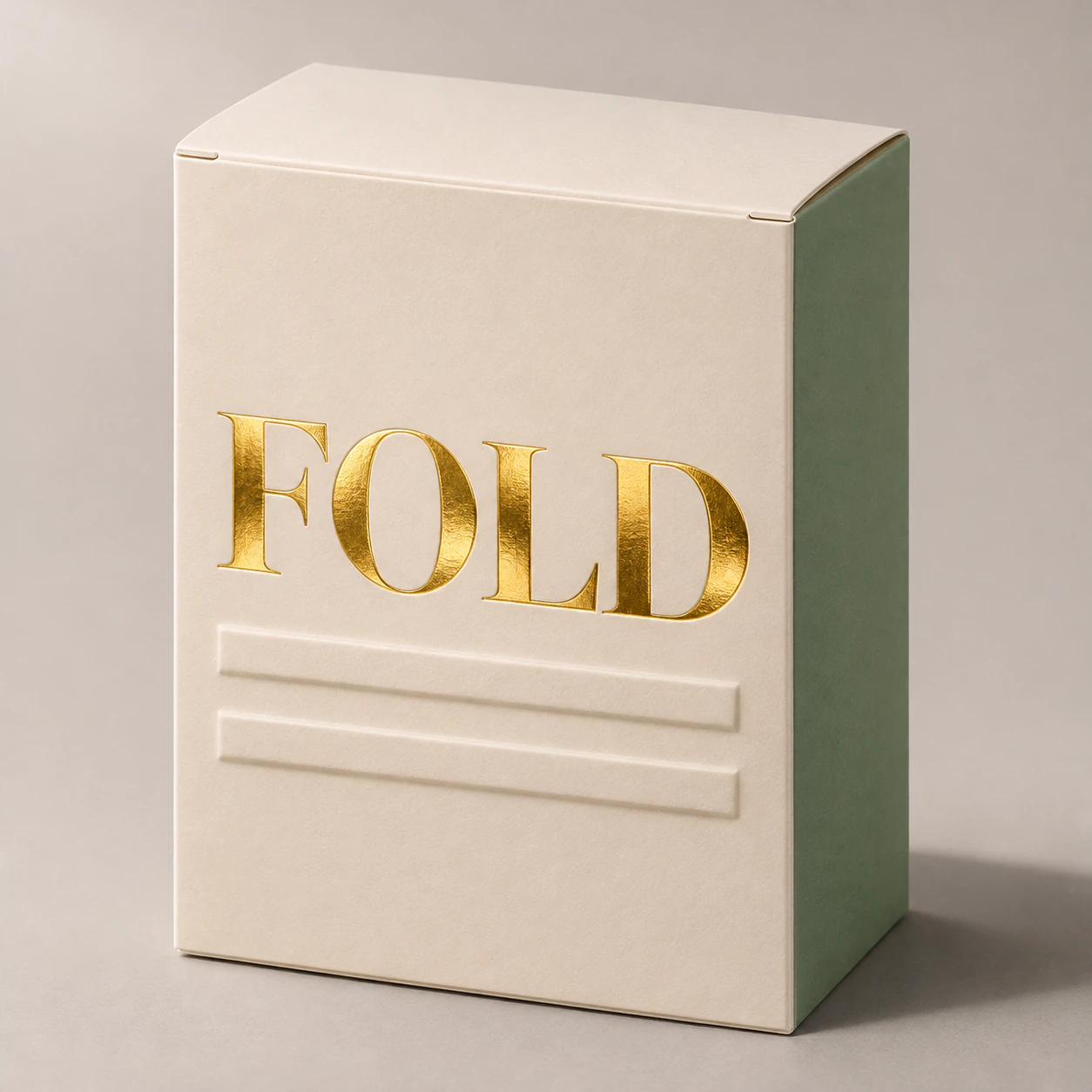
Present a small grooming accessory with its size and intended use on the retail outer.
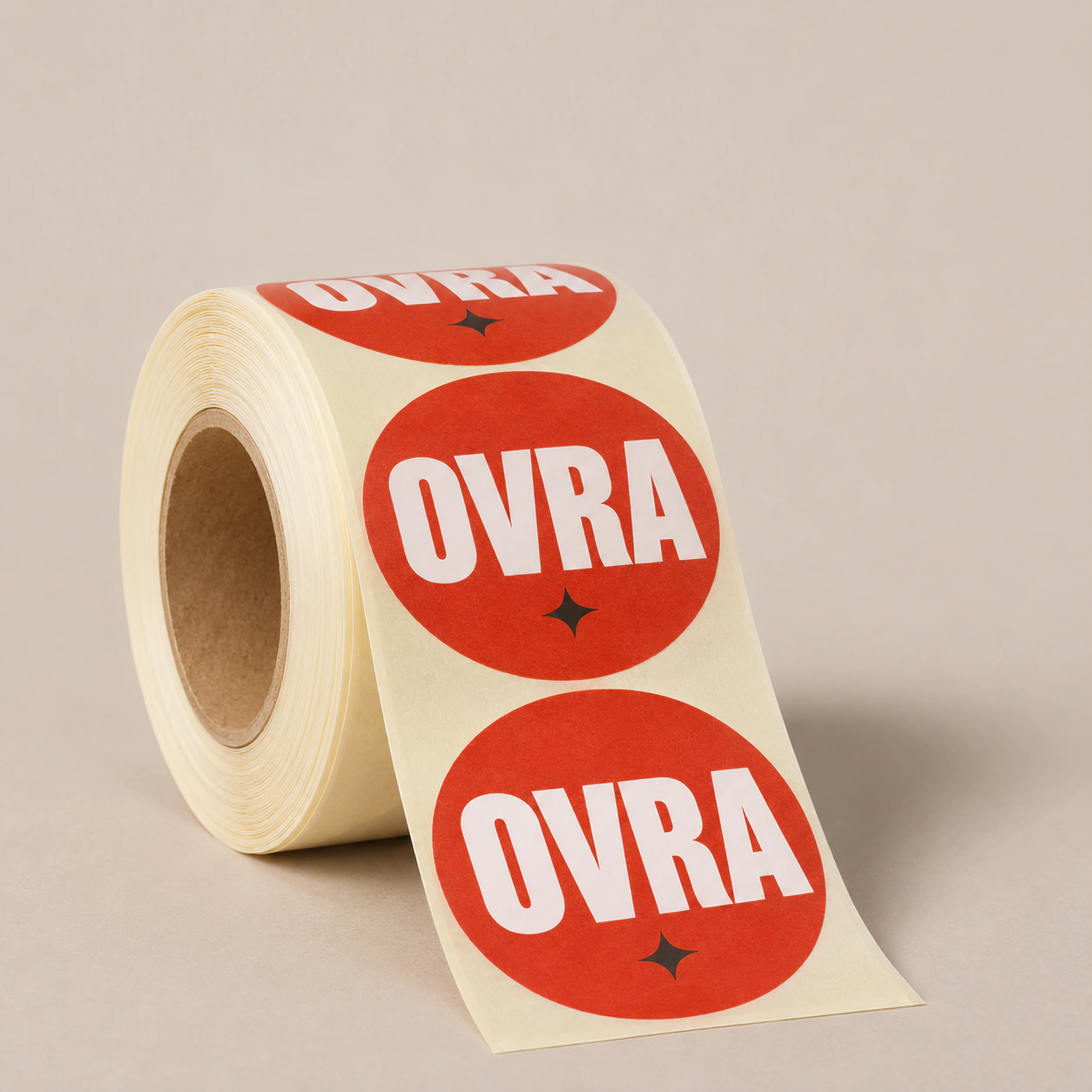
Differentiate accessory sizes on similar packs with a consistent printed identifier.
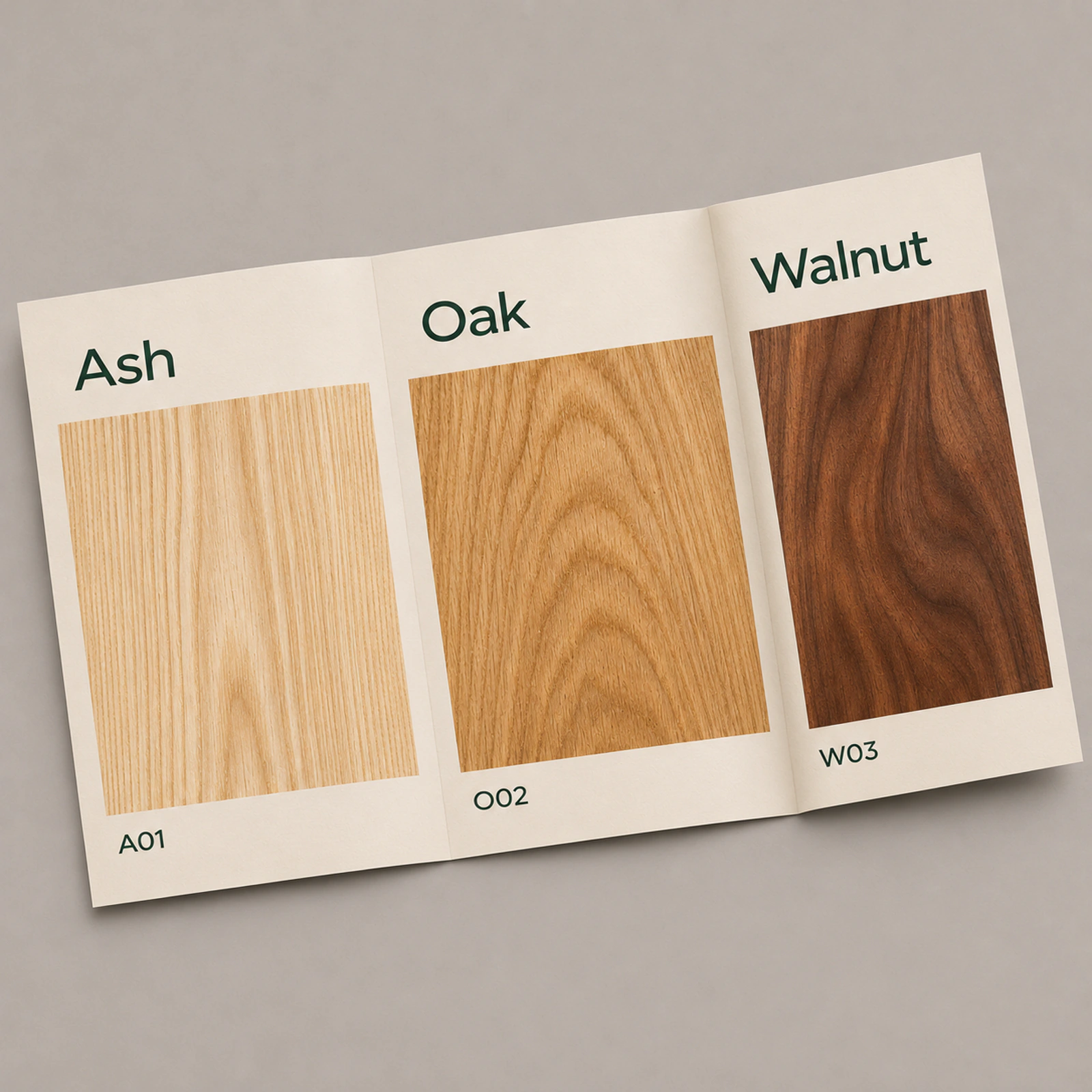
Show the grooming sequence in a printed guide that stays with the kit after the outer carton is opened.
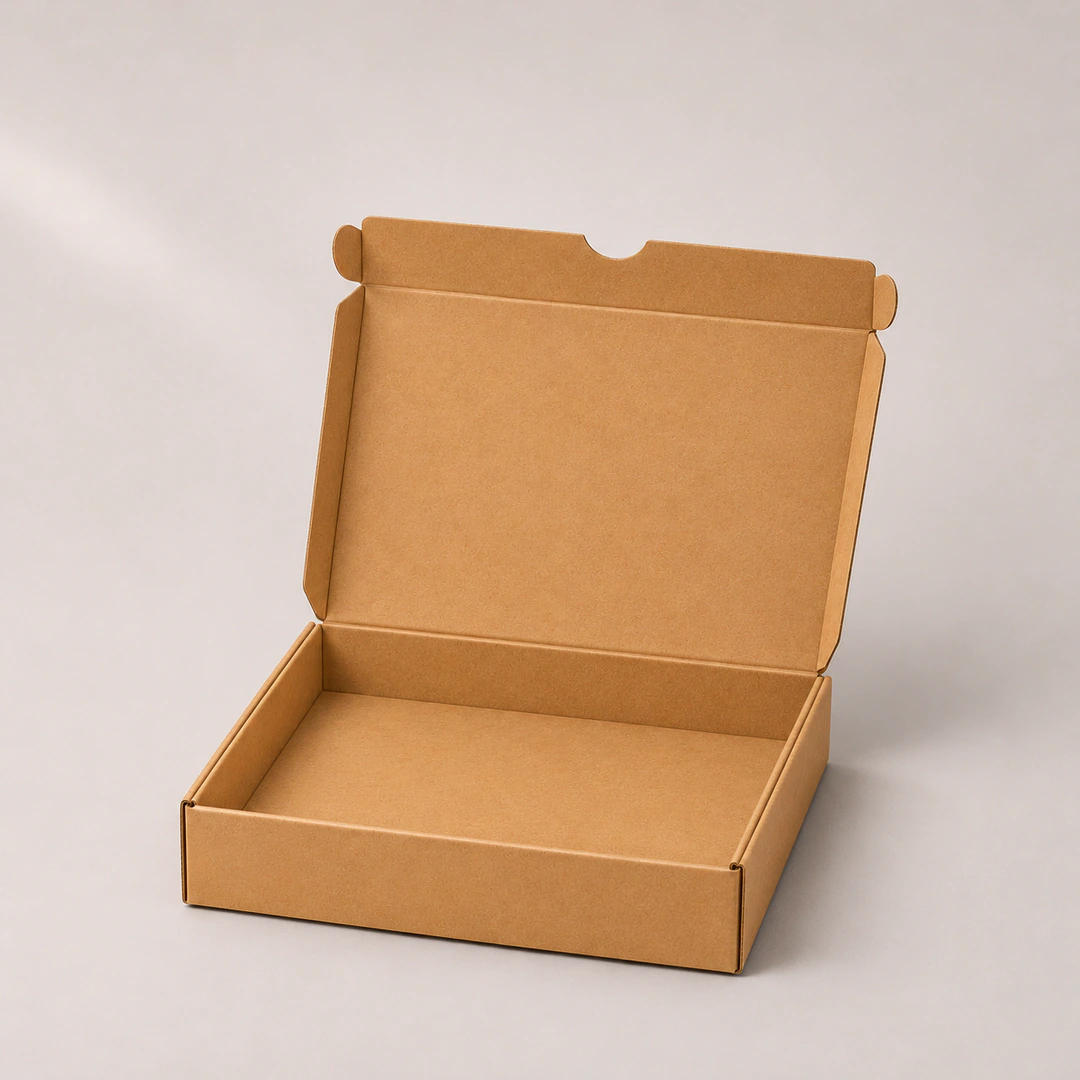
Arrange a collar, tool and care card together for a mixed accessory order.
Use these details to brief your pet supplies & care packaging project and identify any points that need review.
Agree on accessory sizes and fittings, intended use and order quantities.
Review SKU identifiers and care diagrams and agree which proof or sample needs sign-off.
Use the approved accessory artwork and confirmed finish references for production.
Confirm hardware clearance and mix counts against the packing list before dispatch.
Send the folded length, widest buckle and display orientation, plus the size range the pack is intended to carry.
Provide a size matrix linked to SKU and artwork. Review the smallest printed identifier at actual size.
Supply approved instructions and any diagrams. Choose a card size that fits the box and can be removed easily.
Treats introduce separate contact and storage conditions. Identify any sealed inner pack and request a material review for the intended use.
Measure the tool at its widest point and the filled pouch at its seal. Show their positions in a packing sketch so a rigid edge will not press into the pouch. Identify the variant on the outer label and have the assembled kit checked with actual samples.
Share accessory sizes and fittings, quantities, artwork status and destination to start a quotation.
WhatsApp contact details are not configured yet.
View contact information