Wine & Beverage Label
A wine or beverage label must fit the bottle where it will actually be applied. Measure the usable panel and describe the application temperature, later storage and any condensation before selecting the paper and adhesive.
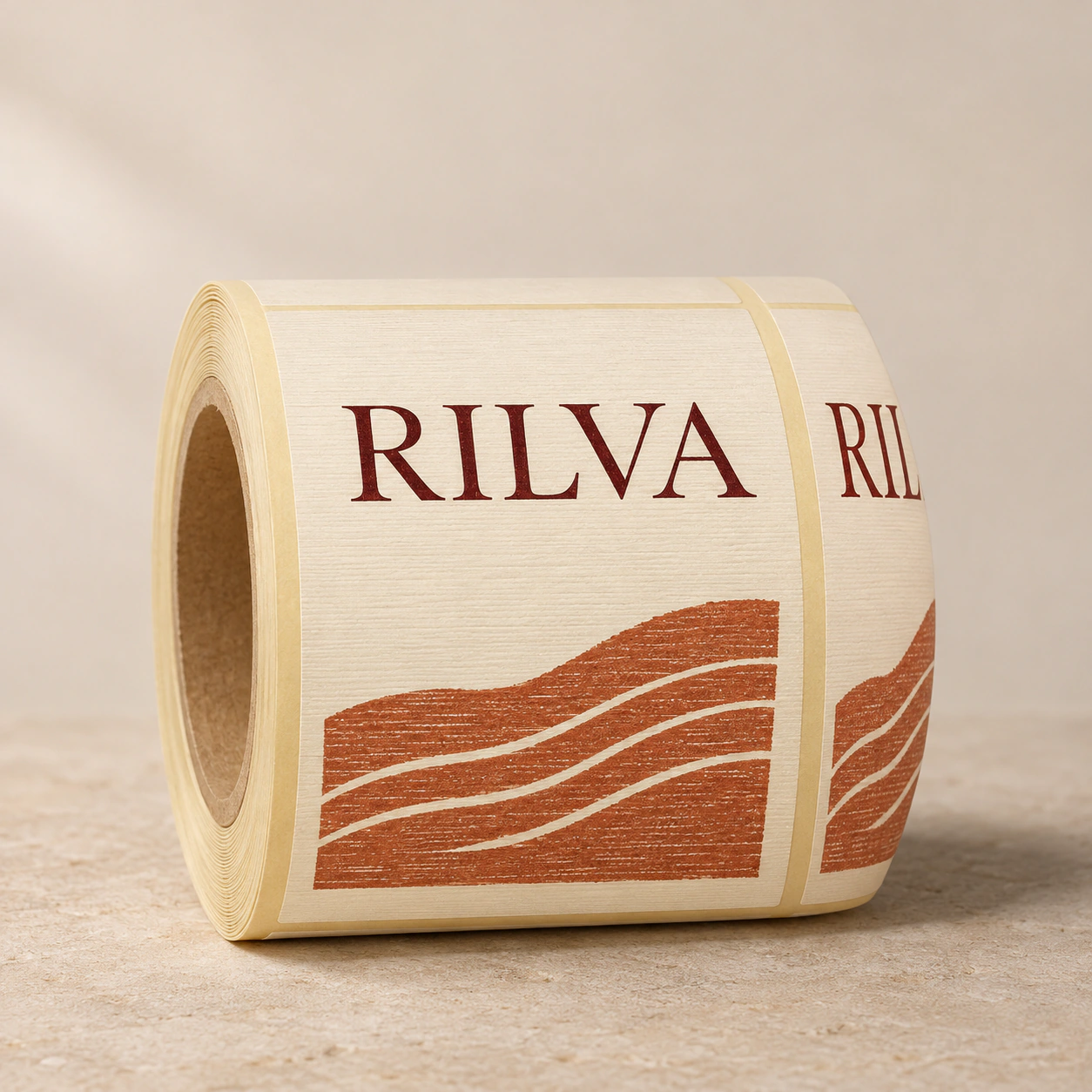
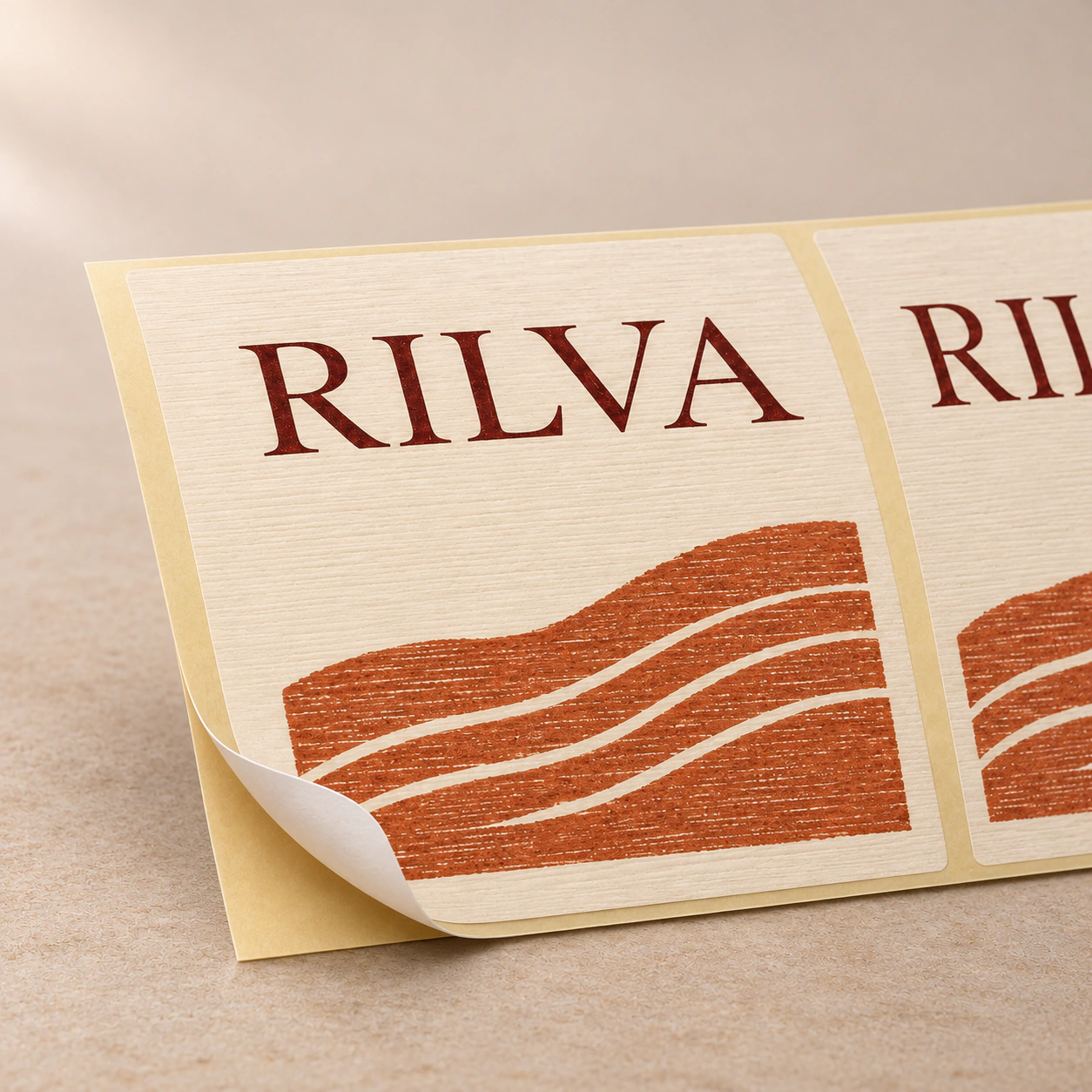
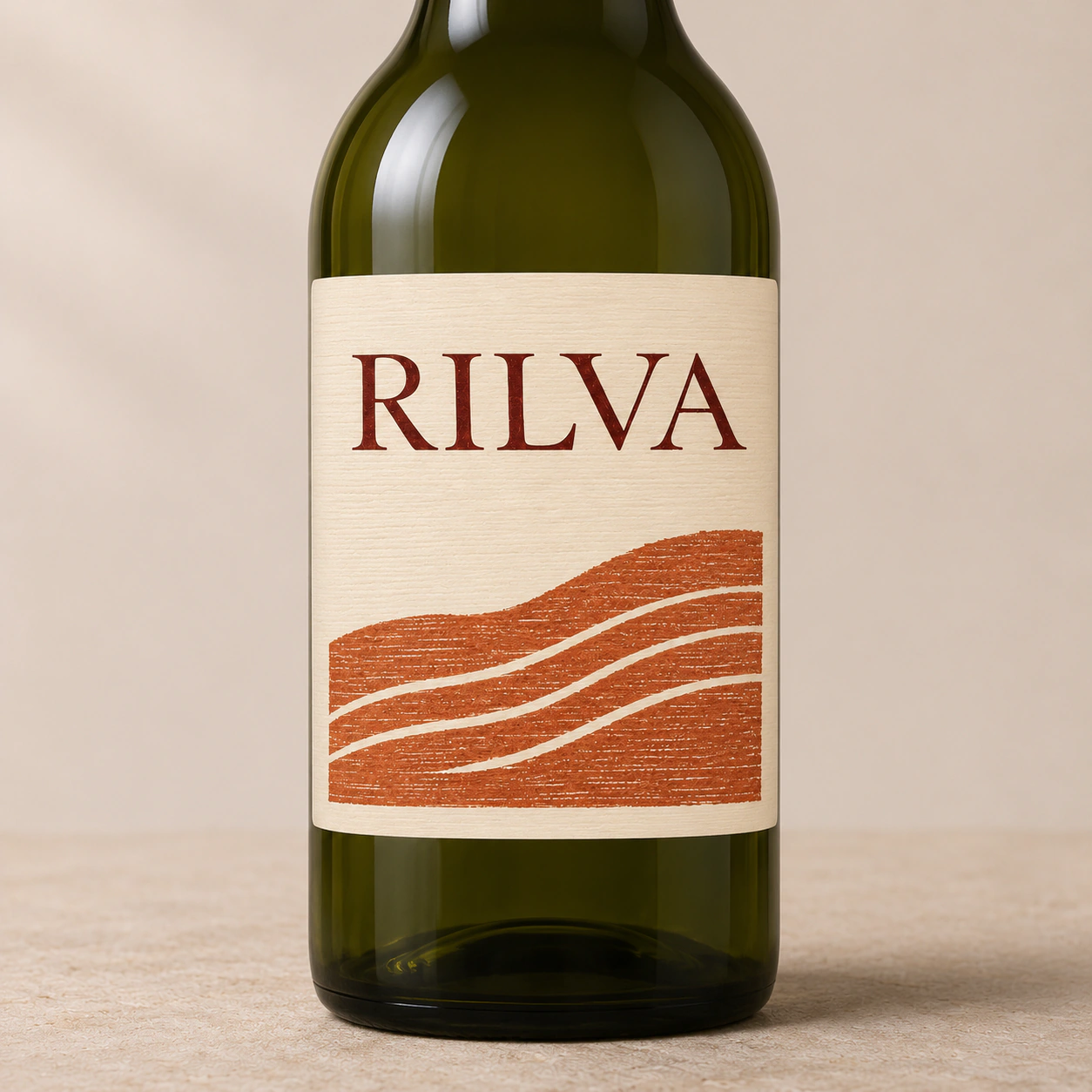
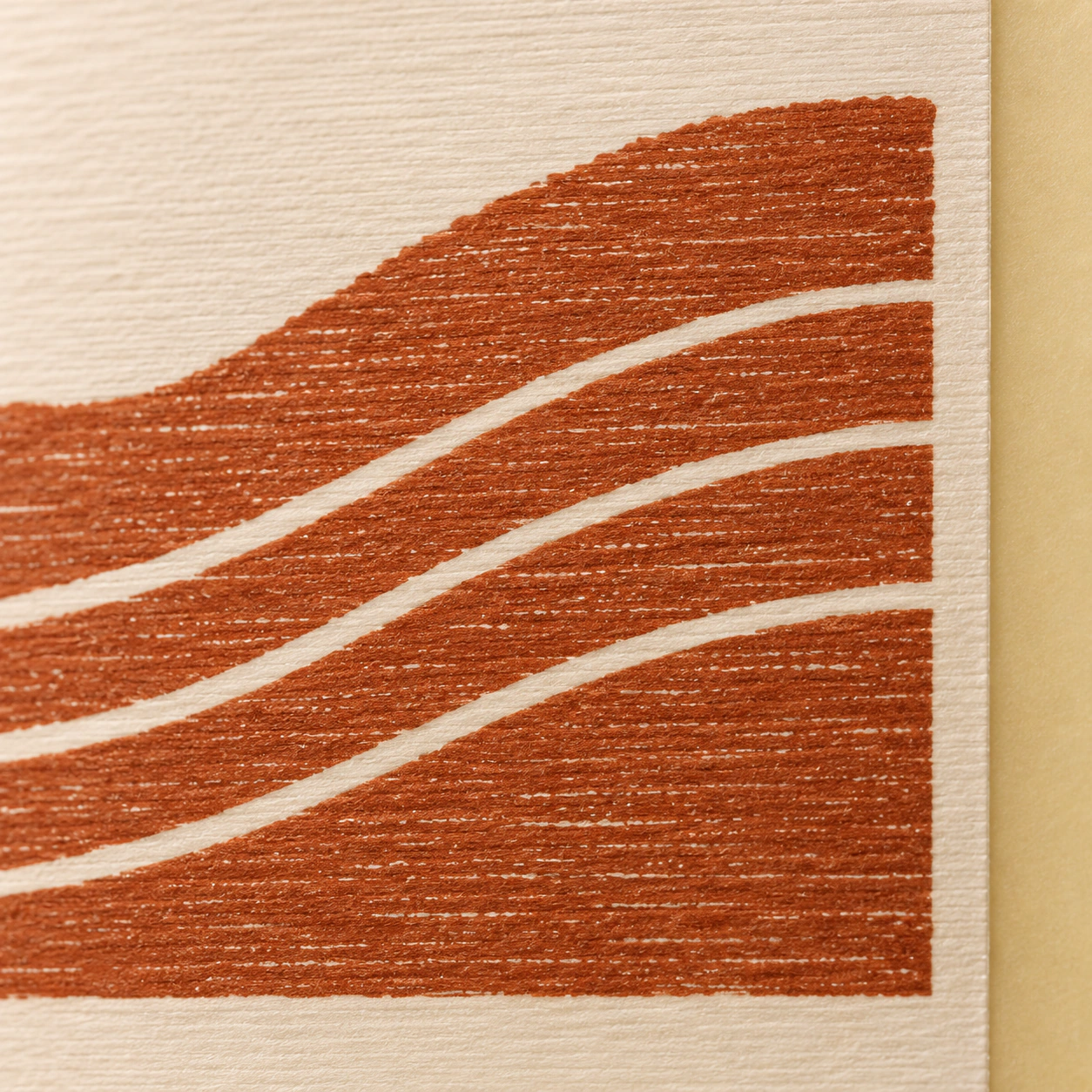
AI concept visuals. Final materials and finishes depend on project confirmation.
Product specifications
- Bottle profile
- Identify straight, tapered or curved areas and mark where the label should sit.
- Editions and panels
- List quantities by vintage or flavor, distinguishing front and back artwork.
Materials & customization
Materials & construction
- Material selection
- A paper face suitable for dry handling may behave differently in a chiller. Review the proposed face, adhesive and print finish together on the bottle.
Artwork & print
- Design review
- Check small type and front/back alignment on a full-size bottle mockup. Ask the brand's reviewer to verify all required market wording.
Selection notes for Wine & Beverage Label
Separate Labeling Conditions From Later Use
Application conditions describe the surface and environment when the label is attached. Service conditions describe what the applied label later encounters. A dry bottle at labeling can become wet during serving, so the two stages are not interchangeable. Record the actual sequence, including refrigeration or condensation where relevant, before assessing a proposed material combination.
Evaluate Paper, Adhesive, and Bottle as One Application
Face material and adhesive have different roles: one presents the print, the other attaches it to the container. Neither alone establishes that a label is suitable for the intended use. A material proposal needs to be evaluated on a representative container under relevant conditions, with specific acceptance requirements rather than a general “waterproof” assumption.
Plan the Label Around the Usable Bottle Area
A front design and a back information panel may need different dimensions. A tapered or curved area should be represented in the design brief rather than treated as a flat rectangle. Check information hierarchy at actual size and distinguish artwork versions for different products, markets, or releases. Product text approval remains separate from print approval.
Applications
- Bottled beverage ranges
- Related editions may share a front design while vintage, variety or regulatory copy varies on another panel.
Artwork & order preparation
- For your quote
- Provide bottle dimensions or a sample, application conditions, hand or machine method, roll specifications if relevant and quantity by version.
FAQ
What should a meaningful bottle-label trial include?
Apply the proposed label to the actual surface under the intended labeling conditions. Observe edge lift, movement and print appearance after the storage or chilled-use period that matters to the buyer.
Should front and back labels be treated as one artwork file?
Identify each position and its version clearly, regardless of the agreed file arrangement. Matched naming helps prevent mixing product details or editions during approval.
Who should approve destination-market product information?
The buyer should provide or approve the applicable product wording. Printing suitability and compliance of the supplied information are separate responsibilities; neither follows from approving the label's appearance.
Related products
Other formats in this collection
Related service · Label Printing
Request a quote
Add the preferences you know. You can discuss undecided specifications later.
